SpaceX’s 32-Hour Record Belongs to the Launchpad, Not the Rocket
The rocket gets the photograph. The launchpad gets the next deadline.
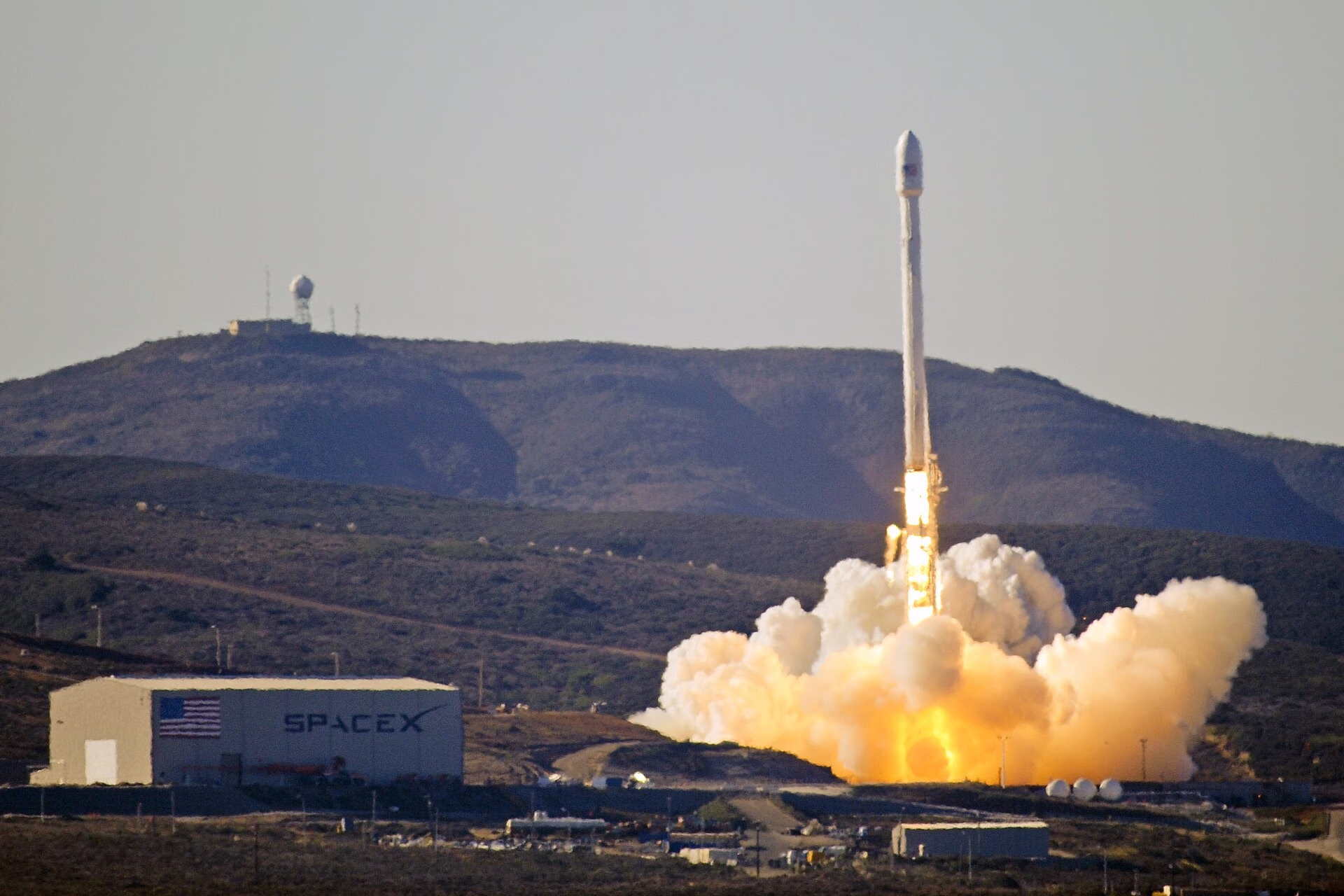
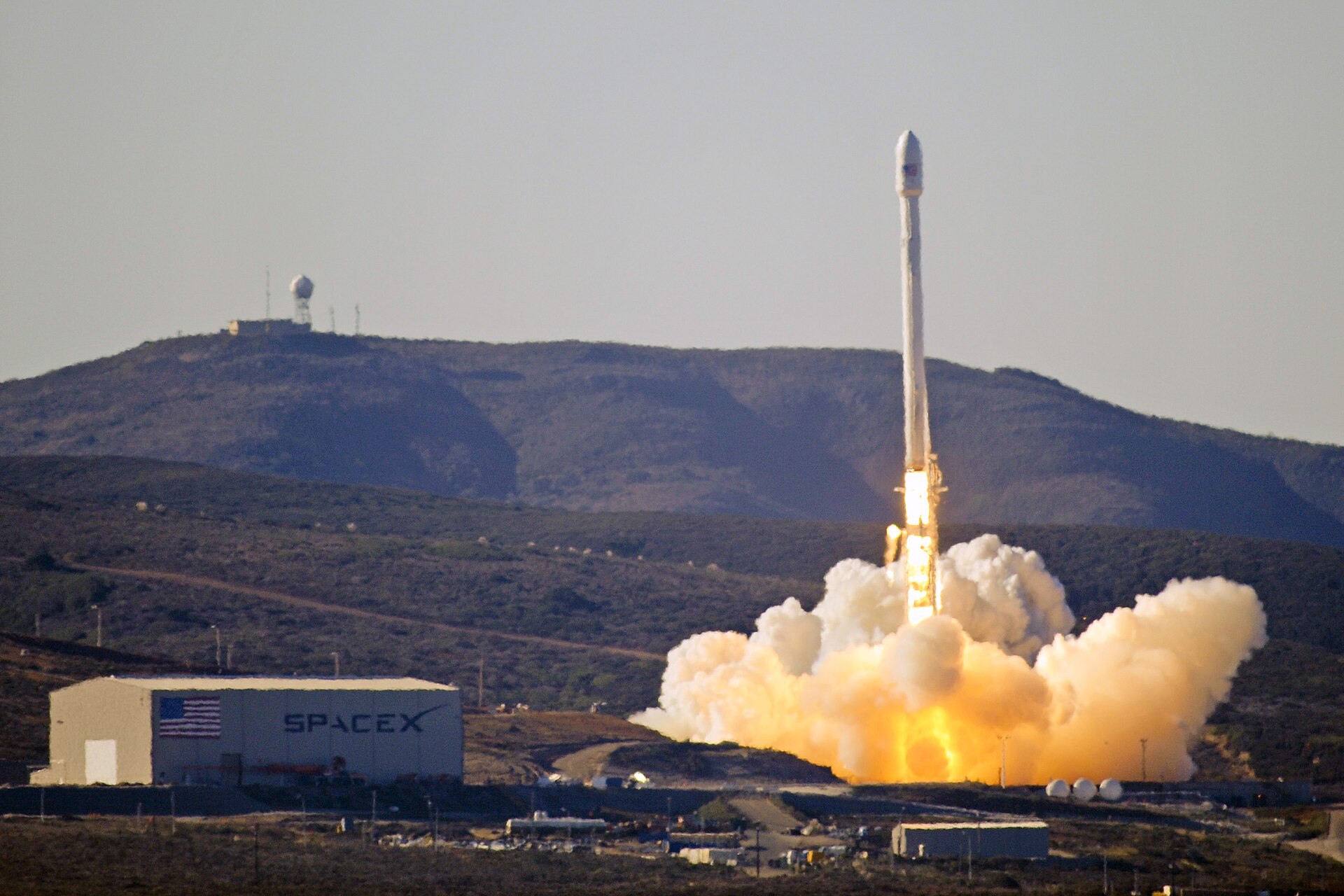
SpaceX launched the National Reconnaissance Office’s NROL-136 mission from Vandenberg Space Force Base in California on November 22, just over 32 hours after another Falcon 9 departed the same pad. According to Space.com’s reporting, the interval was 32 hours, 3 minutes and 21 seconds. SpaceX vice president of launch Kiko Dontchev said it beat the company’s previous 45-hour record at Florida’s Pad 40. His next target: a 24-hour turnaround.
That is an impressive number, but the useful part is knowing which clock it measures. This was a launch-to-launch record for one pad. It was not a claim that the same booster landed, was refurbished, and launched again within that interval.
The infrastructure between the fireworks
NROL-136 lifted off from Space Launch Complex 4 East at 4:23 a.m. California time, following the USSF-317 mission for the U.S. Space Force. Space.com reports that the NROL-136 first stage returned to Vandenberg’s Landing Zone 4 roughly seven and a half minutes after launch. The mission carried classified satellites; the exact number and their onboard technologies were not disclosed.
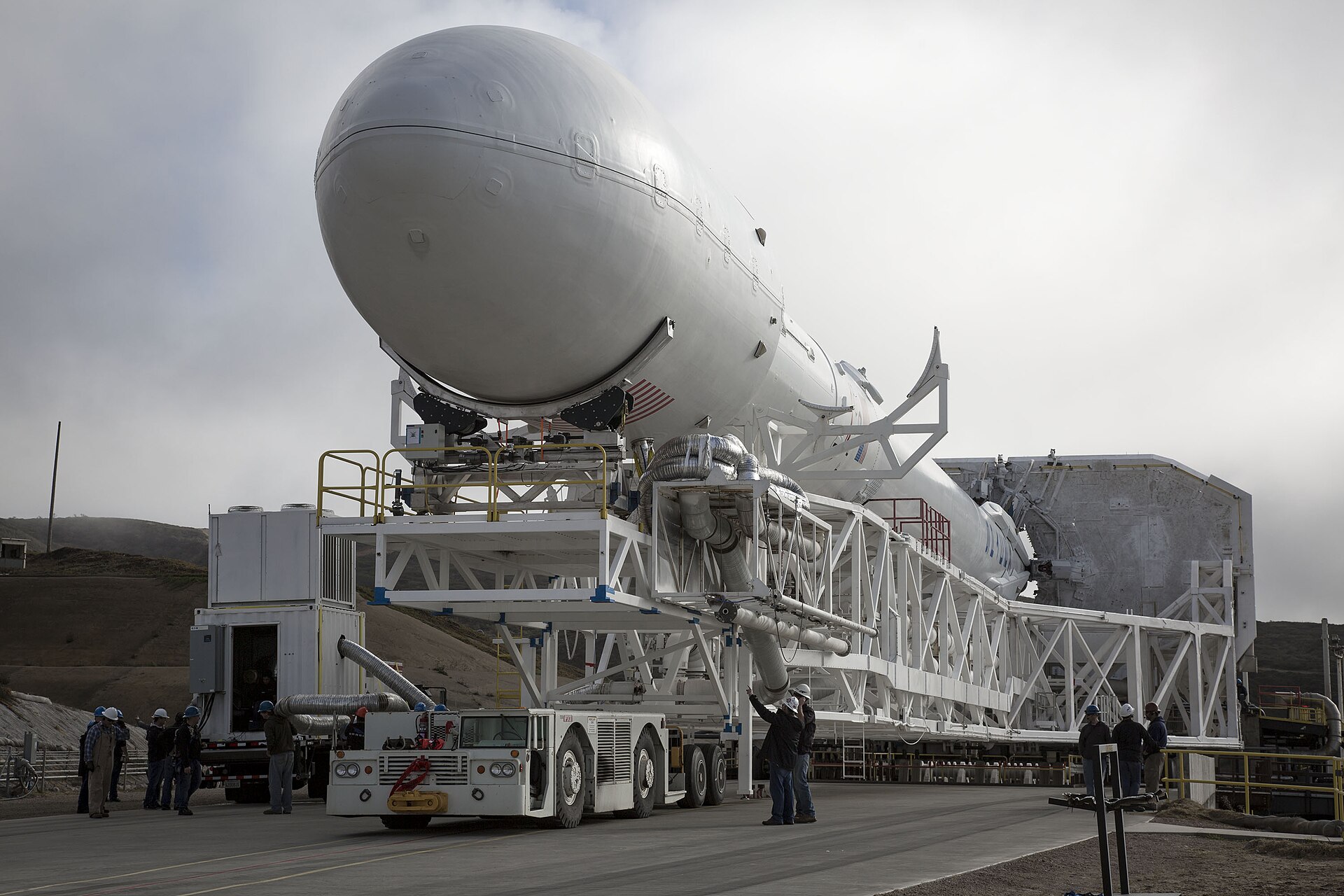
The secrecy makes the payload a poor place to go hunting for a consumer-technology headline. The ground operation is much more legible. A launch site has to be ready to support the next vehicle, not merely have an empty patch of concrete. In general, that means dealing with the condition of the pad and its systems, moving and preparing hardware, and coordinating the next launch with the range. The public account does not provide a task-by-task breakdown of this particular turnaround, so it would be premature to credit a specific new machine or procedure.
Even without that breakdown, the achievement is distinct. Reusable rockets address the problem of throwing away expensive flight hardware. Rapid pad turnaround addresses the problem of leaving expensive ground infrastructure unavailable between flights. Solving one does not automatically solve the other. A fleet of ready rockets is not especially useful if it is waiting for the same launch position.
A record is not a timetable
I like this milestone because it puts some attention on the work between launches. It is also exactly the kind of milestone that can be inflated into a forecast it does not support. One exceptionally short interval does not establish a sustainable daily launch rate. Weather, payload readiness, range availability, vehicle maintenance and the condition of the site can all change the next interval.
Dontchev’s stated 24-hour goal is therefore a goal, not an announced daily service. The next useful evidence would be repeatability: whether short turnarounds become routine, how often the site needs longer maintenance windows, and whether a compressed schedule retains adequate room for inspection and recovery. A stopwatch captures the best run. An operating record tells you what customers can plan around.
There is also an important distinction between more capacity and more resilience. Being able to launch again quickly can reduce a bottleneck. It does not, by itself, create an alternative provider or another independent launch site. Concentrating more work on a highly productive facility can make that facility more valuable while leaving its outage consequential.
A different launch story from last week
Oddbyte’s earlier coverage of Vulcan’s mission failure examined a different problem: what happens when a launch vehicle cannot deliver its payload and customers need alternatives. This is a new development, not another telling of that failure. The November 22 record concerns how quickly a working launch site can support its next flight.
Together, those questions explain why launch infrastructure deserves more than a supporting role in the space business. Access to orbit depends both on a vehicle that works and on a ground system that can prepare the next mission. A spectacular ascent proves that a flight has begun. A second ascent from the same pad a little over a day later reveals something about the operation behind it.
The sensible response is neither to shrug at another Falcon 9 nor to declare daily orbital departures solved. SpaceX has demonstrated a shorter interval at one pad. Now the interesting part is whether that exceptional performance becomes ordinary.
Reporting basis: Space.com’s November 22 launch report and its account of Dontchev’s statement. Both photographs are historical illustrations of Falcon 9 operations at Vandenberg, not photographs of NROL-136.