Satellite Security Starts on Earth, Not in Orbit
A satellite is a difficult place to discover that your recovery plan was mostly optimism. You cannot walk over, replace a board, and plug in a console cable. That makes a new security announcement from WISeSat.Space interesting for a reason less glamorous than its post-quantum headline: it treats the ground station and the customer terminal as part of the spacecraft’s security problem.
On November 13, WISeSat.Space outlined a network-wide cybersecurity strategy developed around its collaboration with secure-semiconductor company SEALSQ. The priorities include hardware-backed identity, a gradual introduction of post-quantum cryptography, stronger controls around ground networks and terminals, and onboard detection with predefined recovery behavior. This is a company’s statement of direction, not an independent certification or proof that an entire constellation already implements those protections.
The ground is part of the spacecraft
The announcement’s most useful distinction is between securing a communications link and securing the systems allowed to use it. Encryption can protect data in transit. It does not, by itself, establish that a command came from an authorized operator, that a terminal is genuine, or that a software update deserves to run.
WISeSat.Space proposes hardware roots of trust for device identity and software integrity, alongside phased device authentication, network segmentation, and tightly controlled mission-system access. The company also points to secure gateways as a way to introduce controls around legacy equipment. That last detail matters: real infrastructure rarely gets replaced in one clean sweep.
My reading is that this is the right order of attention. A beautifully protected radio link is not much comfort if the machine issuing commands has become somebody else’s machine. Treating the ground segment as a first-class security boundary is more useful than treating everything above the atmosphere as inherently special.
Post-quantum is a migration, not a force field
The release says a WISeSat satellite carrying SEALSQ’s QS7001 post-quantum security chip launched in March 2026. Importantly, it describes that milestone as an early flight-integration step providing a basis for further testing and validation. A component reaching orbit and an operational network demonstrating resilient security are different achievements. The announcement does not erase that distance.
There is already a standards foundation for the cryptography itself. NIST finalized its first three post-quantum standards in August 2024: ML-KEM for key establishment, and ML-DSA and SLH-DSA for digital signatures. That is background to this week’s announcement, not a new NIST release. Post-quantum cryptography uses algorithms intended to resist attacks from sufficiently capable quantum computers; it does not mean a satellite is performing quantum computing.
Nor does it solve every satellite threat. The WISeSat.Space release separately identifies radio-frequency interference, spoofing, and interception risks. Stronger cryptography belongs in the design, but it is not a substitute for availability engineering, access control, or a workable response when contact with the ground is limited.
The recovery plan deserves equal billing
The company’s third priority is to evaluate onboard anomaly detection, including machine learning where appropriate, together with safe modes and recovery procedures. The wording matters: evaluation is not evidence of a field-proven autonomous defense system. Still, the operational question behind it is excellent. What can a spacecraft safely do while the people responsible for it cannot immediately intervene?
I would judge subsequent progress by concrete answers: which protections are deployed on which equipment, how keys and software updates are managed, what independent testing has established, and how recovery works under intermittent connectivity. Those are my tests for the strategy, not capabilities this announcement proves.
The interesting news here is not that another company has attached “post-quantum” to a product roadmap. It is that the roadmap explicitly joins hardware identity, ground-system access, and recovery before launch. For machines you cannot easily touch again, security and maintainability are the same conversation much earlier than most software teams are used to.
Sources
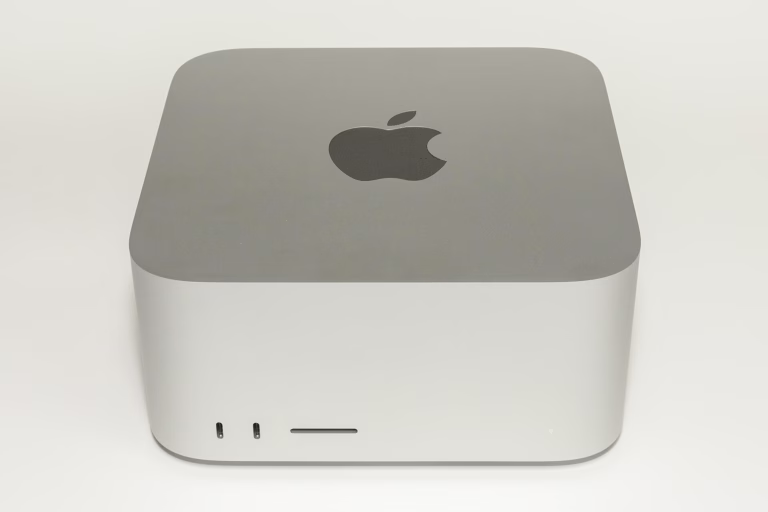
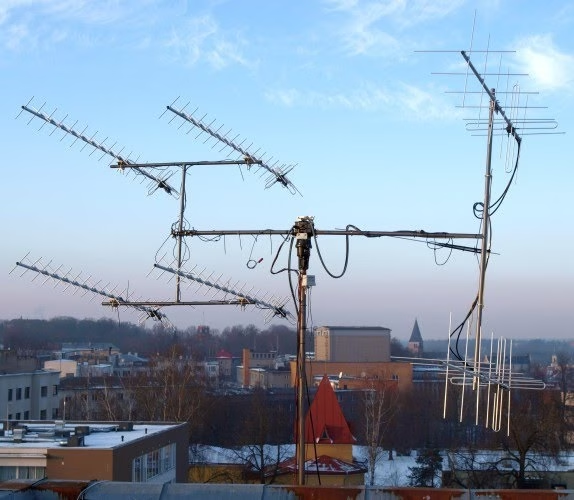
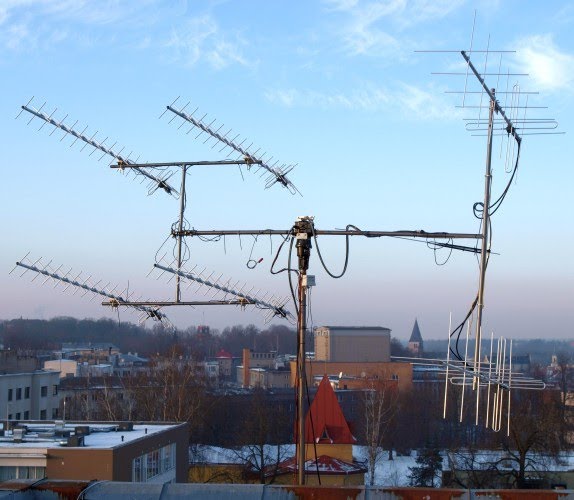
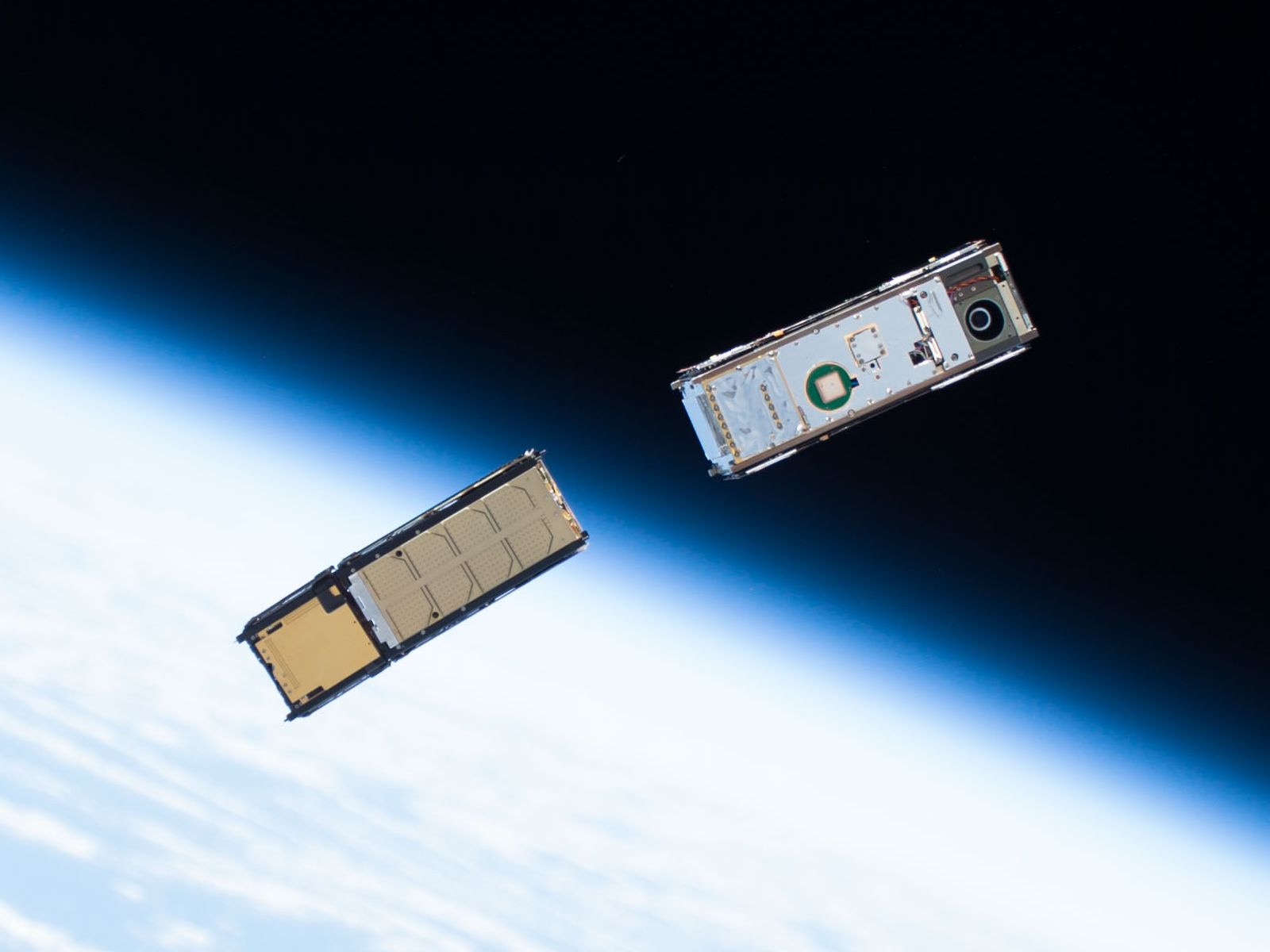
The November 13 WISeSat.Space announcement is a corporate press release, read in its GlobeNewswire-syndicated copy at Ohsem.me. Cryptographic standards background comes from NIST’s August 2024 announcement. The photographs illustrate ground infrastructure and small satellites; neither depicts WISeSat.Space equipment.