
Node.js’s November Security Release Is a Reminder to Patch the Runtime, Not Just the App
Your application can have an unchanged lockfile and still need an urgent security update. That is the practical message in the Node.js project’s November 11 security release: the vulnerable code may be underneath the packages you have been carefully checking.
The project says fixes are now available as Node.js 22.23.5, 24.22.3 and 26.13.1. Its published advisory describes high-severity problems involving HTTPS memory disclosure, HTTP/2 availability and memory safety, and TLS client-certificate authorization. These are not interchangeable bugs, and they do not all affect every deployment in the same way. But they are a good reason to find out which runtime your services actually execute, rather than which one your workstation happens to have installed.

The uncomfortable part is below your business logic
One of the more consequential fixes is CVE-2026-123864, an HTTPS re-entrancy flaw that the project says can allow an unauthenticated client to read memory belonging to other connections, potentially including TLS private keys and other users’ requests. The advisory lists affected release lines as 22.x, 24.x and 26.x.
That description needs its conditions attached. The vulnerable path requires particular response handling before the request body has finished, and retrieving leaked memory requires a route that echoes or stores a request body. The advisory explicitly says cleartext node:http is not affected by this particular issue. It would be wrong to translate that into “every Node website leaks its private key.” It would be equally wrong to wave it away because the application did not recently change.
The HTTP/2 fixes have a similar pattern: ordinary application features meet complicated connection lifecycles. CVE-2026-123863 concerns a remotely reachable assertion failure during session teardown on 24.x and 26.x. CVE-2026-123865 can leave memory and file descriptors tied up after a protocol error during connection shutdown on all three listed lines. CVE-2026-123866 concerns freed response memory being sent to a peer, with differences in how the teardown can be reached across versions and application behavior.
I find that more useful than a giant vulnerability total. Crashes, accumulating resource leaks and cross-connection memory disclosure demand different tests and carry different consequences. A process supervisor restarting a crashed service does not undo a disclosure, and a healthy-looking homepage does not prove that connection cleanup works.
Encryption is not the same thing as correct authorization
The release also fixes TLS policy failures. CVE-2026-123872 concerns changing the server name during TLS 1.2 renegotiation on a server that applies different client-certificate policies to different hostnames. The project describes a client authenticated for one permitted host carrying that authentication into a more restricted host.
Another issue, CVE-2026-123867, involves a hostname-specific client CA configuration falling back to the default CA when the SNI context supplies a CA but no server certificate. Both are listed as affecting 22.x, 24.x and 26.x. These are specific configuration and protocol cases, not a claim that mutual TLS is generally broken. They do show why “the connection is encrypted” is an incomplete answer to “did the right client reach the right service?”
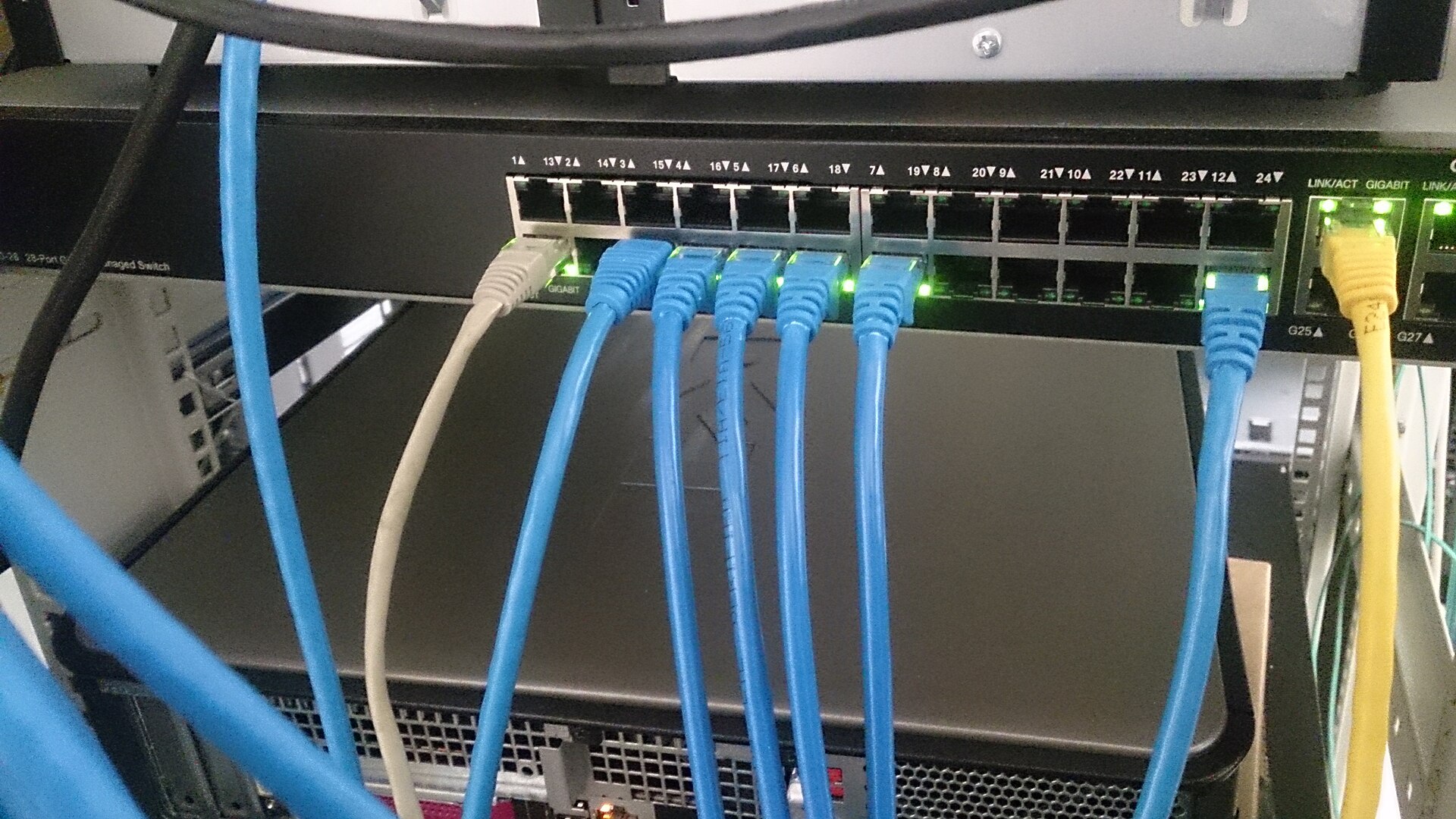
For a deployment behind a reverse proxy, the sensible question is where those protocols and policies actually terminate. If an edge server handles public TLS and speaks plain HTTP to Node, that changes the reachable surface for Node’s TLS-specific defects. It does not automatically settle HTTP/2 exposure on other listeners, outbound HTTPS behavior, or every other issue in the release. Trace the connection, including internal paths, before declaring a component insulated.
Update the thing that is running
The operator’s task is fairly unglamorous. Identify the runtime inside each deployed application, container or bundled service. Move affected supported lines to the corresponding security release or an appropriate later supported version, using the application vendor’s supported update path where the runtime is bundled. Rebuild and redeploy images when that is how the runtime reaches production; installing a new Node binary on the host will not replace an old binary inside an existing image.
Then verify the deployed version and exercise the features that matter: streamed responses, uploads, file downloads, connection cancellation and client-certificate rules where applicable. Not every service implements all of those. Testing should follow the actual application rather than a theatrical checklist. The project also warns that end-of-life versions should not be treated as safe just because they are absent from the supported-release download list.
There is a smaller, easily overlooked fix worth attention too. CVE-2026-123871 addresses proxy credentials appearing in certain error messages. The advisory explicitly calls out stderr, container logs, aggregation and crash reporting as wider audiences for those secrets. If your deployment uses credential-bearing proxy URLs, reviewing access to relevant logs is a sensible companion to updating. That is a risk-based follow-up, not evidence that your own logs contain a leak.
A maintenance story with a concrete trigger
Oddbyte recently covered how to measure whether container updates really happened. This is a distinct development: newly published Node.js security fixes, with named affected release lines and specific protocol failures. The connection is practical. An image being current on its configured tag is not the same assertion as its embedded runtime containing today’s security fixes.
My recommendation is simple: put this release into the maintenance queue because of what the affected runtime does, not because the application team happened to ship a feature this week. Dependencies deserve attention. So does the executable that loads them.
Primary source: the Node.js project’s November 11 advisory, including links to the three security releases. Photographs illustrate hosting and networking infrastructure; they do not depict an affected system.