The Boring Databases Were the Target: USDA and FBI Breached in One Week
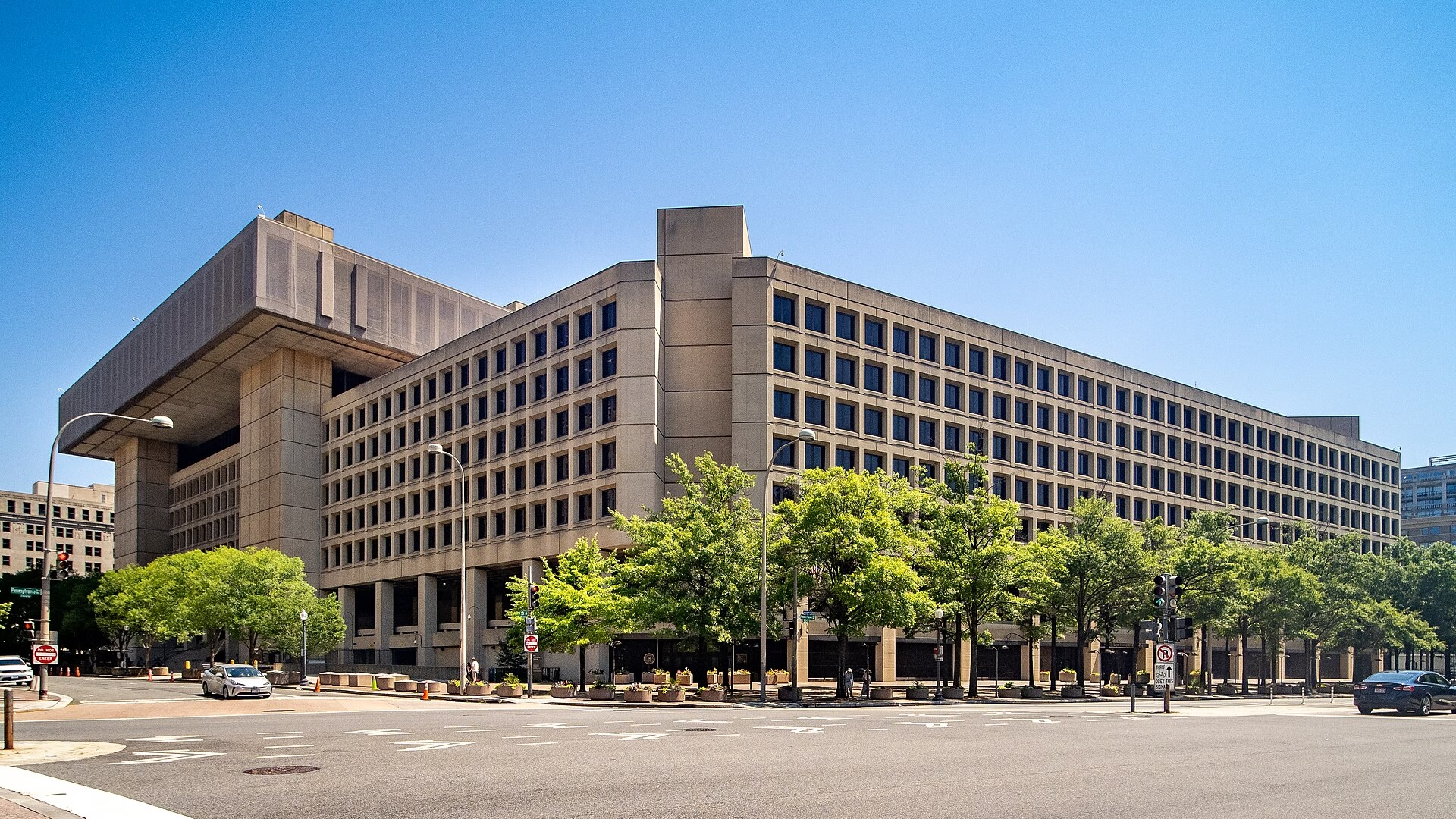
This week the United States lost two of its least glamorous but most consequential databases to people with keyboards: the system the Department of Agriculture uses to pay farmers, and the FBI’s National Crime Information Center, the warrant-and-mugshot network every police officer in the country leans on. The news broke in a stack — the USDA breach first, then the FBI intrusion on Friday, November 20-21 — and it landed on top of a run of outages at the National Security Agency, the Federal Aviation Administration and Microsoft’s own Outlook that had already put “is the government’s plumbing holding up?” on the public’s mind. The interesting part is not that the attacks happened. It is that they happened to the places that matter most, and that nobody has yet said who did it.
Two breaches, one week, no name yet
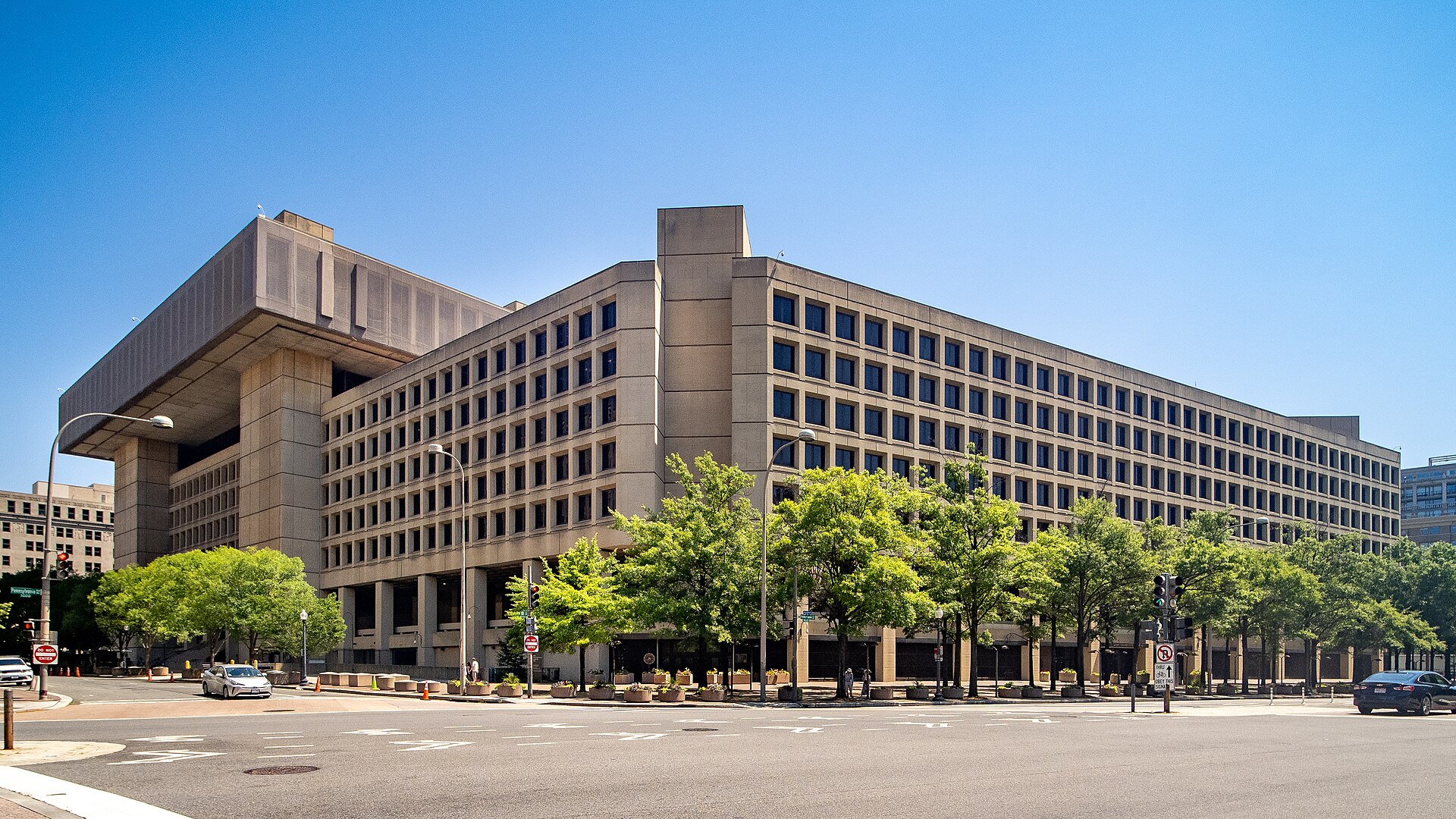
The FBI’s National Crime Information Center, or NCIC, is the backbone of federal, state and local law-enforcement data sharing: outstanding warrants, background checks, stolen property, the kind of thing an officer checks in the seconds that matter. CNN first reported that the bureau is investigating an apparent intrusion, and it is the bureau’s second reported breach in a few months — the first was in September, when the group ShinyHunters claimed it had pulled personal data on FBI staff through a jobs portal. For the FBI, the risk is not only that sensitive records left the building. A former official told CNN the sharper worry is that an attacker could compromise the accuracy of what officers rely on, quietly planting or altering a record. A database you cannot trust is worse than one that is empty.
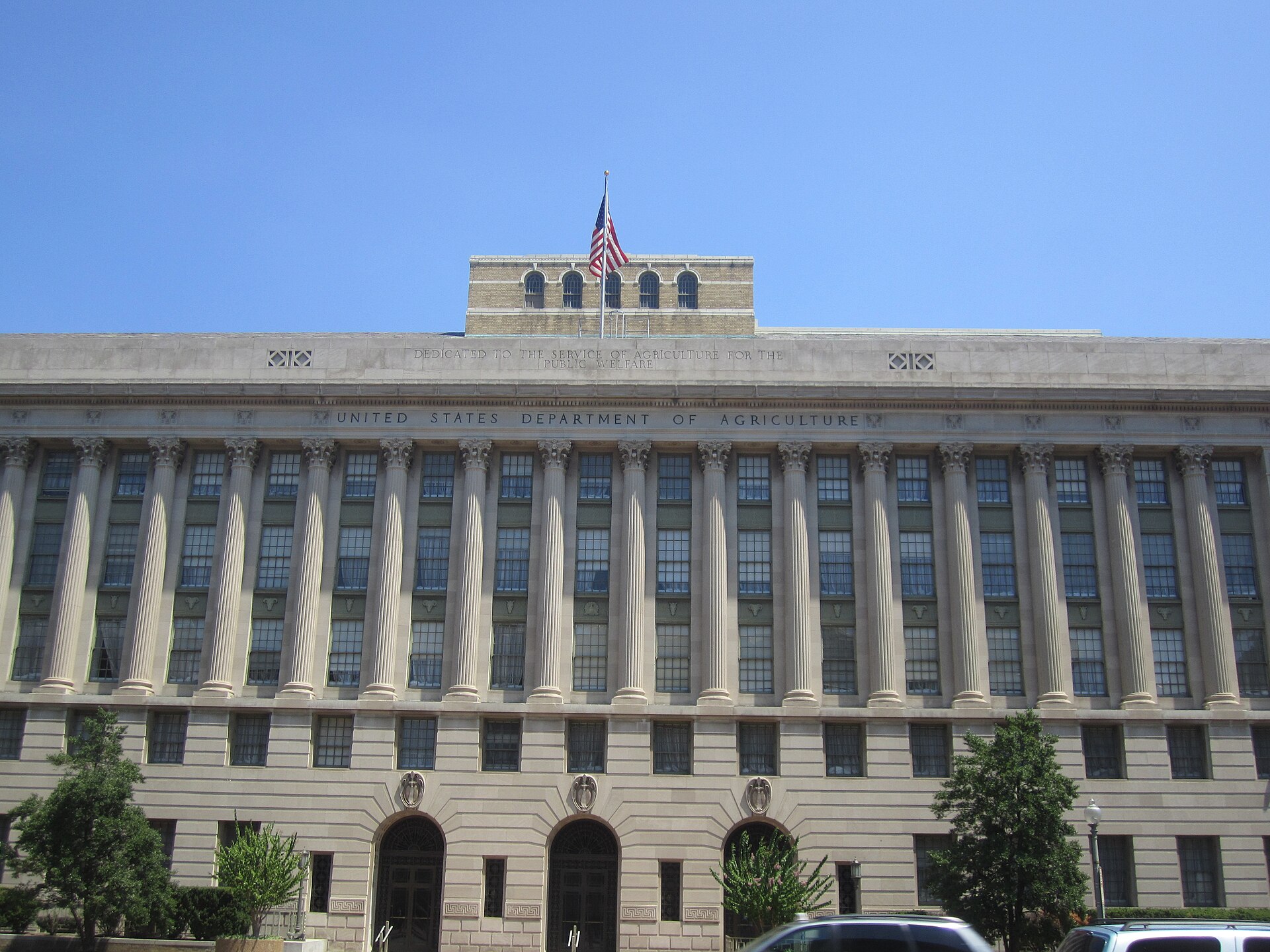
The USDA’s story is the one a homelab operator should notice most. Internal notices and reporting from Nextgov and NBC say the department’s Cybersecurity and Privacy Operations Center “uncovered a security incident” early in the week and that the department’s Information Services Division reset database passwords across all environments, knocking out applications for days. The tool that got hit, the farm-payment system, is the financial plumbing between the government and the people who feed it. Officials warned it could be a backdoor to more sensitive material, including food-safety and biological-research data. Nobody has said who was behind it, and nobody has confirmed whether anything was exfiltrated.
Why a GAO report is the real headline
The breaches did not arrive out of a clear sky. On the same day, the Government Accountability Office published a report, GAO-27-108656, on protecting the food and agriculture sector, with a blunt conclusion: USDA and the FDA, the two agencies responsible for keeping the food sector cyber-resilient, “reported having limited resources to address critical cybersecurity activities,” and had not run a full emergency-response scenario for the sector since 2024. In plain terms, the agencies in charge of defending a critical piece of national infrastructure are under-staffed on the one thing that would let them react to an event like this. That is the line a security person should underline, not the one about the breach itself.
The timing tells its own story
Here is the uncomfortable irony. Just hours after the breaches, FBI Director Kash Patel appeared on Fox News to promote Operation Winter SHIELD — the bureau’s campaign, launched in early 2026, that distills “ten most impactful actions organizations can take to improve resilience against cyber intrusions” — and to warn that the FBI would pursue the cybercriminals targeting Americans. Patel said the bureau had engaged more than 750 private-sector companies and arrested more than 200 cybercriminals, as reported by Newsweek. The optics of a director touting a defensive program in the same breath as his own agency’s crime database was in the news are not subtle. The defense was real; it just did not get to the FBI itself this week.
What a household should take from it
Let me be disciplined about the analogy again, because it is the only honest one. Your home is not NCIC, and no one is rushing to plant a fake warrant in your smart-thermostat log. But the three lessons this week actually hands over are the same ones I wrote about when the UK quietly unplugged its supermarket fridges two days ago: the systems that look most boring — a payments tool, a warrant database, a temperature logger — are the ones where a single weak point opens a door to everything valuable behind it.
- Reset the boring systems on a schedule, not after the incident. USDA’s response was a full-environment password reset that took applications down for days. A credential rotation that nobody has to wait for a breach to trigger is cheaper than one that follows one.
- Decide which of your “plumbing” has a manual mode. A payments system, a warrant lookup, a fridge controller — whatever keeps a household running should have a path that still works when the network does not.
- Count what phones home. The attackers did not need a dramatic target. They found the tool that already reaches for the internet and had the weakest lock on it. Most people are surprised how many of those tools they own.
The reassuring part, if there is one, is that the outages at the NSA and the FAA appear to have been maintenance, not attacks — and that good security, when it works, looks like a non-event with a good story attached. But the USDA and FBI breaches are not maintenance. They are a reminder that the most valuable data is often the most unglamorous, and that an under-resourced defense is a defense that fails on the worst day. For anyone running their own little stack at home, the takeaway is the one every one of these stories lands on eventually: the lock on the boring door is the one worth checking first.
Sources
- NBC News, Agriculture Department breached by hackers, sources say (Nov 20, 2026): nbcnews.com
- NBC News, FBI investigating potential breach of its crime database (Nov 20, 2026): nbcnews.com
- The Guardian, USDA, FBI breached by hackers amid spate of tech outages (Nov 21, 2026): theguardian.com
- Nextgov/FCW, USDA grapples with security breach as IT staff take multiple systems offline (Nov 19, 2026): nextgov.com
- U.S. GAO, Critical Infrastructure Protection: Further Action Needed, GAO-27-108656 (Nov 2026): gao.gov
- Newsweek, What are Operation Winter Shield, Riptide? FBI sends warning (Nov 21, 2026): newsweek.com
Related: Britain Unplugged Its Fridges in Secret. Nobody Was Told — On Purpose. (Nov 21) covers the same lesson one week earlier on the operational-technology side; this post is about what happens when the data itself, not the device, is the target.