iPhone 18 Pro vs iPhone 17: What the $400 Gap Actually Buys
Apple’s newest flagship just hit the shelf, and next to it sits the standard iPhone
you’ve been able to buy for a year. That $400 gap between the iPhone 18 Pro and the iPhone 17
is the most consequential decision in consumer tech right now, so it’s worth looking at where
the money actually goes — and where it doesn’t.
One thing to clear up first, because the naming is genuinely confusing: there is no
base “iPhone 18” on that shelf yet. Apple is holding the standard iPhone 18 for spring 2027.
If you’re shopping today, the real fork in the road is the 18 Pro against the iPhone 17 — and that
is exactly what this comparison is about.
The chip
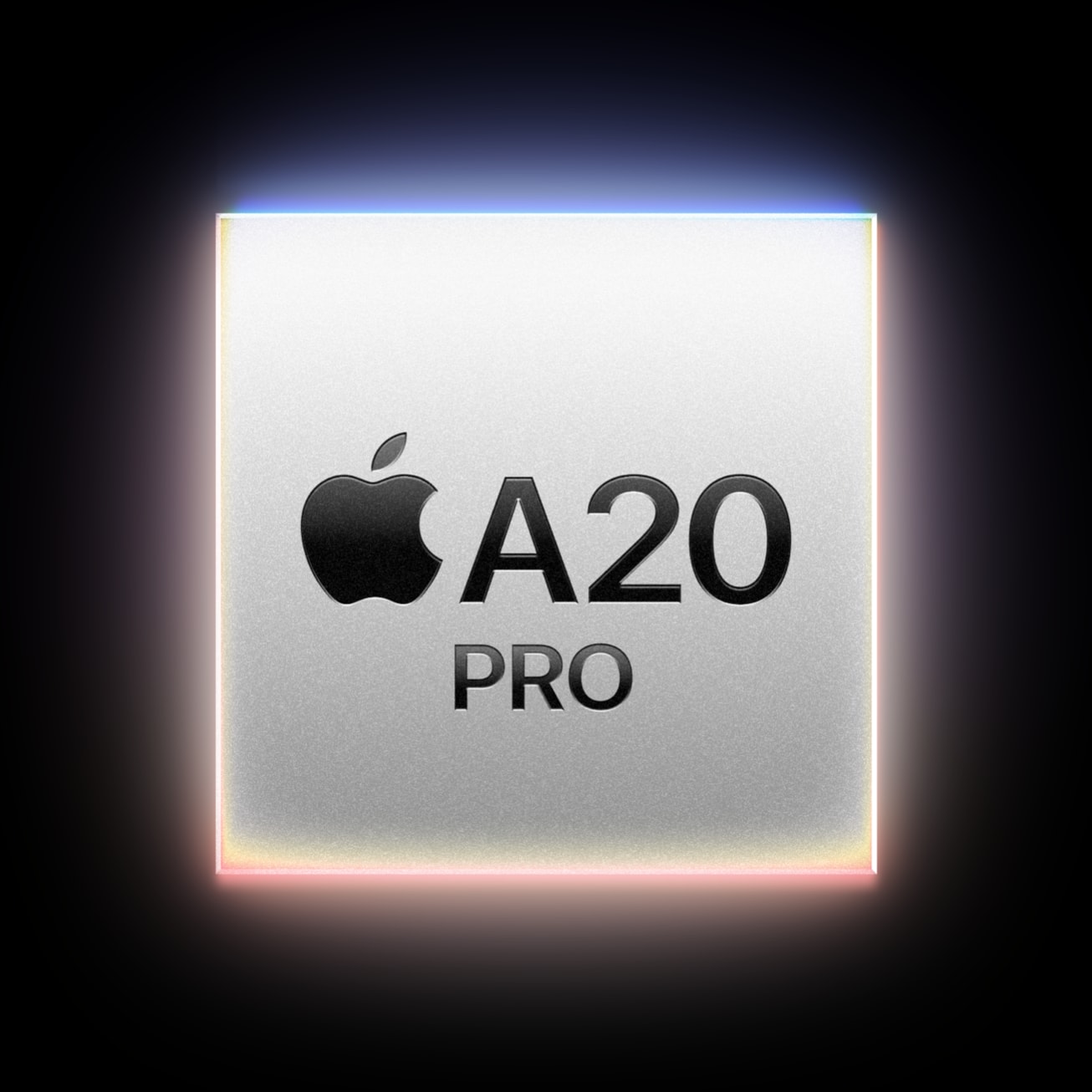
Start with what you feel every day. The 18 Pro runs the A20 Pro, Apple’s first
2-nanometer iPhone silicon: a 6-core CPU, a 7-core GPU, and a 16-core Neural Engine. The 17’s
A19 is the 3-nanometer generation before it — same 6-core CPU, same 16-core Neural Engine, but a
5-core GPU.
Neither phone will make you wait on apps. The difference shows up at the edges: sustained
high-setting gaming, on-device video editing, and the heavier Apple Intelligence workloads that run
locally. If you edit video on your phone or play the most demanding titles, the A20 Pro’s wider GPU
and faster transistors are real headroom. For email, maps, photos, and video calls, the 17 is
indistinguishable from the Pro.
Where the $400 goes: the camera
Here is where the extra money mostly lands, and where the 18 Pro is a different category
of phone. Both handsets carry a 48MP main camera and a 48MP ultra-wide, and both shoot through an
18MP front camera that rotates to landscape for group selfies. Daylight photos from the 17 are
already excellent — the Fusion sensor and Apple’s computational photography have largely closed the
gap with last year’s Pro.
The 18 Pro adds three things the 17 physically cannot. First, a fourth lens: a 48MP
tetraprism telephoto that gives you 4x optical zoom and a 12MP 8x optical-quality reach. The 17’s
“telephoto” is a crop of the main sensor — fine at 2x, but past that it’s math, not optics.
Second, a variable aperture on the main camera (f/1.48 to f/4.0), which the Pro can use for
controlled depth of field and faster low-light shots; the 17 is locked at f/1.6. Third, manual
controls — shutter speed, aperture, and Smart Focus — aimed at people who want to make a specific
exposure instead of letting the phone choose one.

If you photograph concerts, stages, sports, or simply like to zoom into the world without
losing the photo, the 18 Pro’s camera is the reason to spend the extra. If most of your photography
is people, food, and the occasional landscape, the 17’s system is more than enough and the difference
is easy to shrug at.
Battery and charging
Then there’s endurance, where the 18 Pro has a genuine edge. Apple rates it for up to 39
hours of video playback — 41 hours on the eSIM-only versions — against 30 hours for the 17. That’s not
a spec-sheet blip; it’s a full day of video on the Pro where the 17 starts wanting a top-up by early
evening.
Charging is the flip side. The 18 Pro reaches 50% in about 15 minutes with a 60W adapter;
the 17 does 50% in 20 minutes with 40W. Both support MagSafe and Qi2. If you live on the battery — long
flights, all-day shooting — this is one of the few non-camera reasons the Pro earns its price.
On the outside
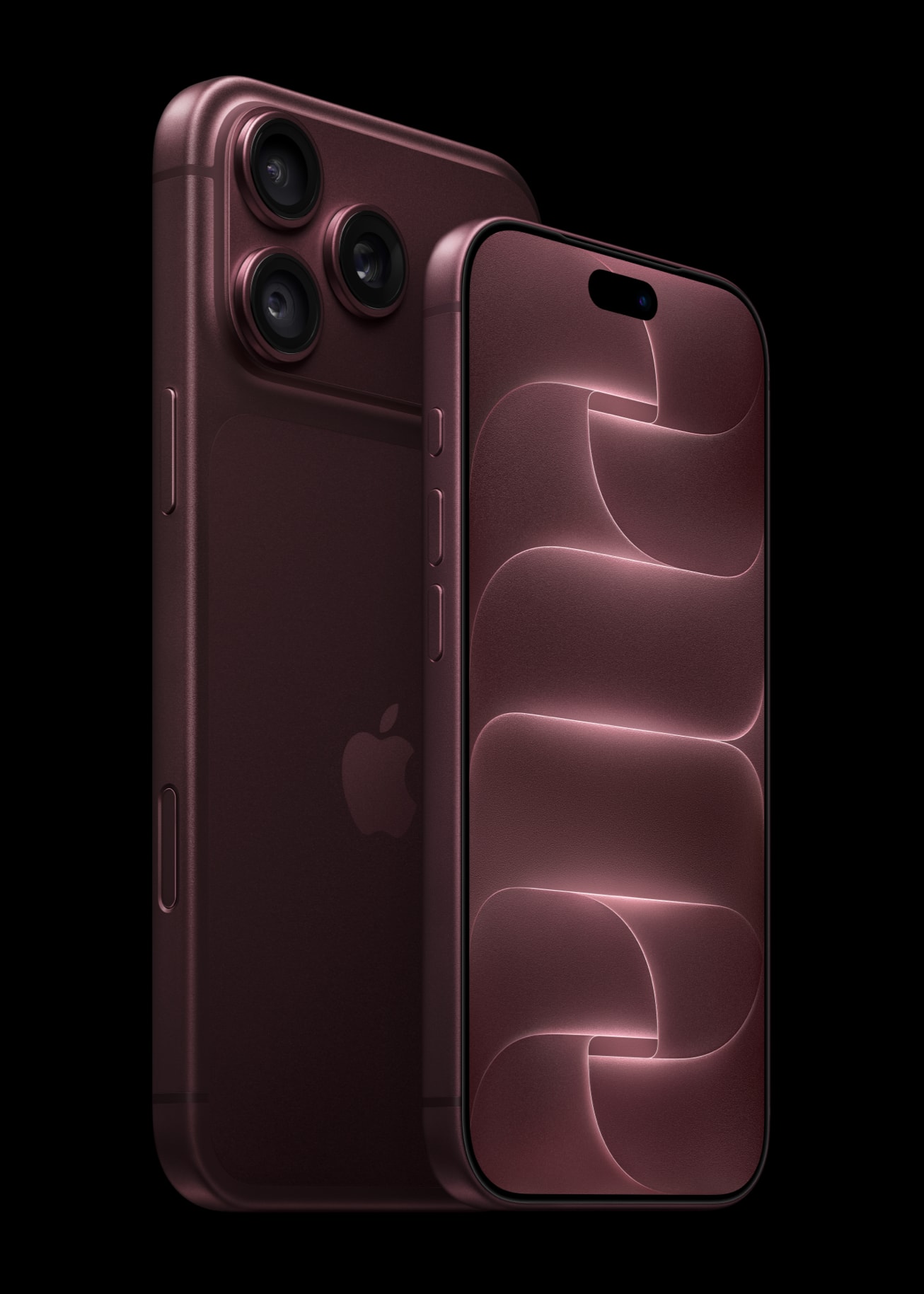
Outwardly they’re closer than you’d expect. Both are 6.3-inch Super Retina XDR displays with
ProMotion, both are IP68 water-resistant, and both run Wi-Fi 7 and Bluetooth 6. The 18 Pro adds Ceramic
Shield to the back — four times more crack-resistant — on top of the Ceramic Shield 2 up front, and it
is a touch heavier at 199 grams against the 17’s 177.
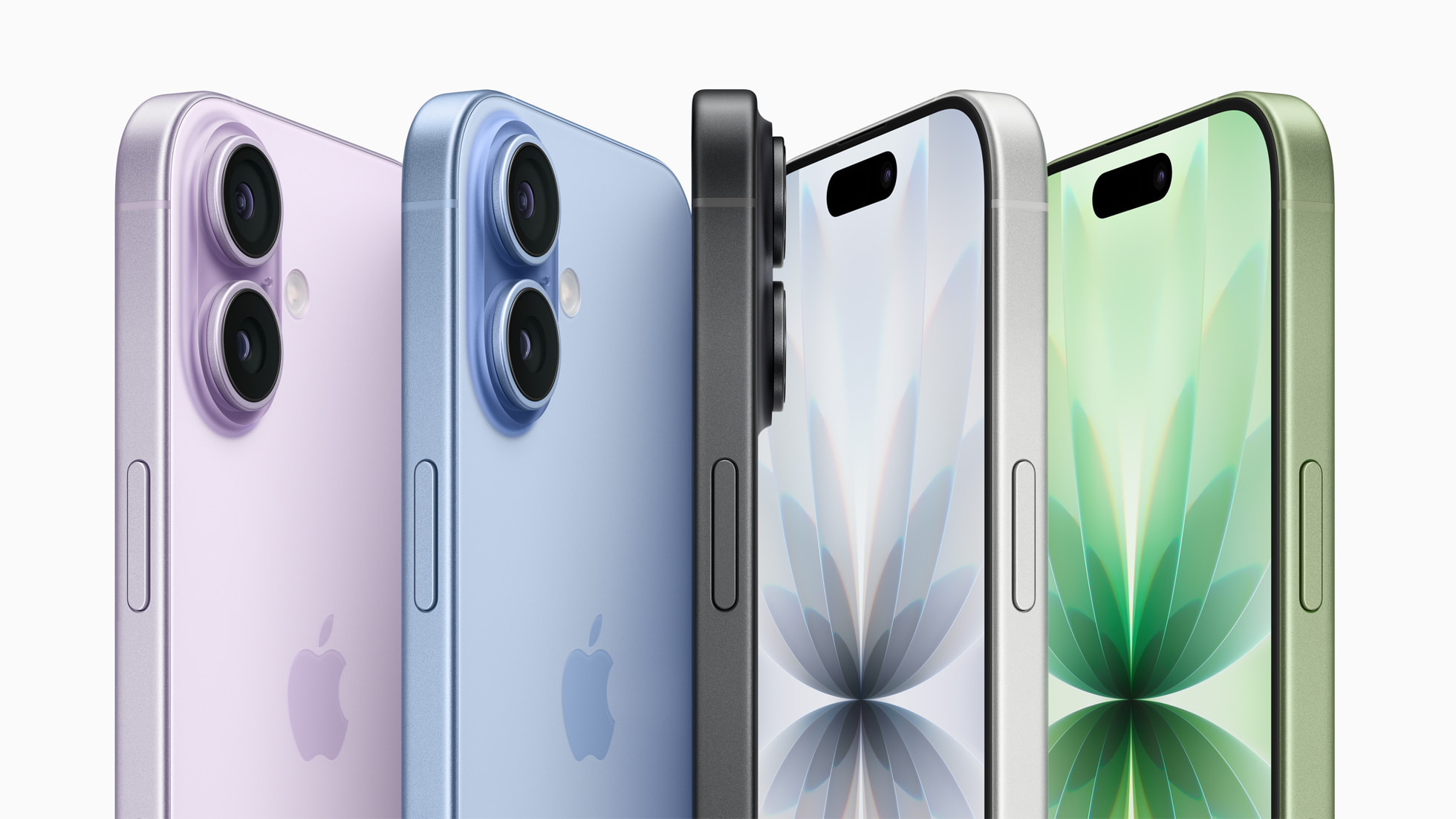
Color is where they part ways. The 18 Pro comes in Burgundy, Glacier, Silver, and Black —
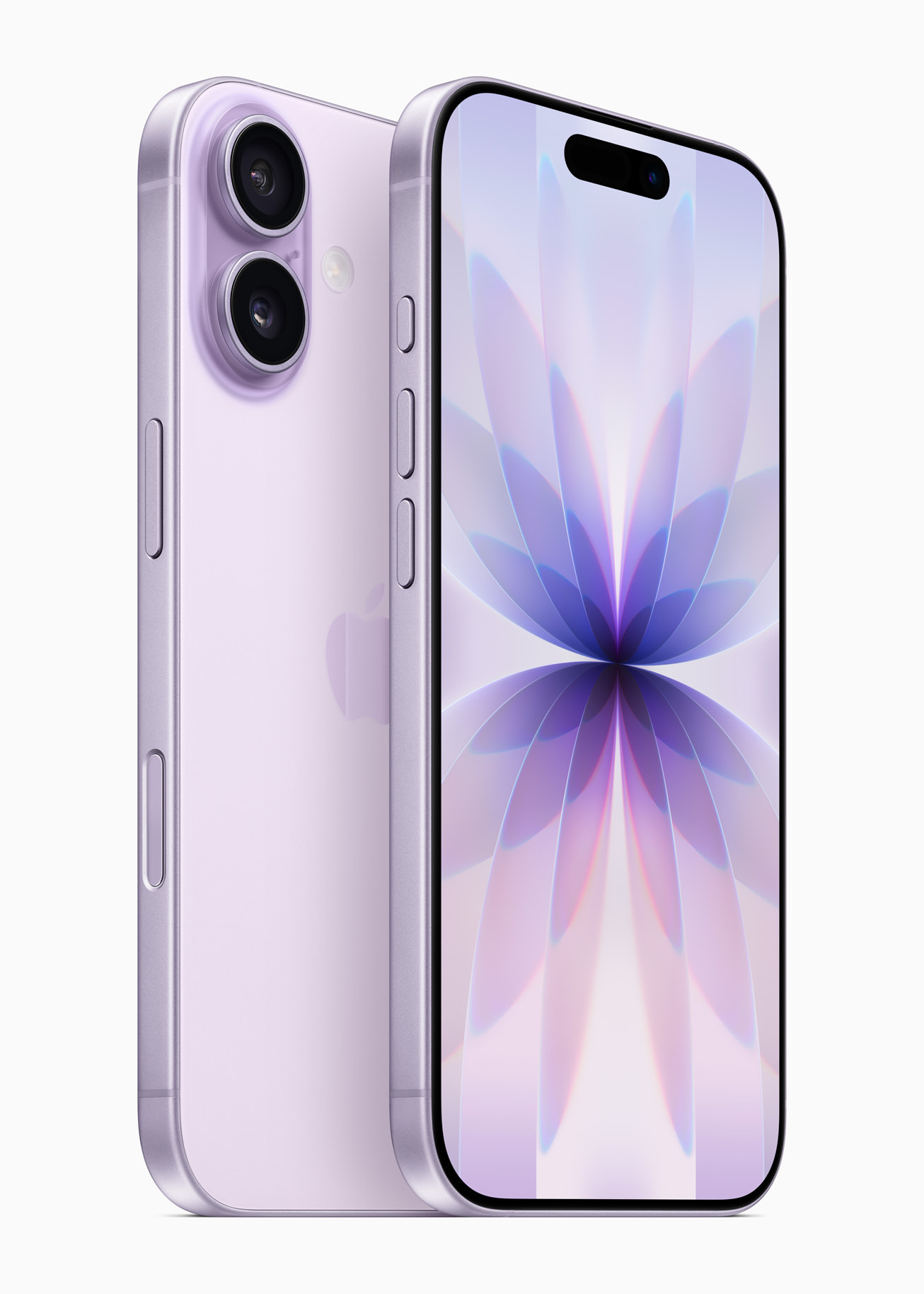
Burgundy is the new one and it’s the one people are lining up for. The 17 stays in its 2025 palette:
Black, Lavender, Mist Blue, Sage, and White. Neither is wrong; the 17’s colors are softer, the 18 Pro’s
more deliberate.
| iPhone 18 Pro | iPhone 17 | |
|---|---|---|
| Starting price (256GB) | $1,199 | $799 |
| Chip | A20 Pro (2nm) | A19 (3nm) |
| GPU | 7-core | 5-core |
| Display | 6.3″ Super Retina XDR, ProMotion | 6.3″ Super Retina XDR, ProMotion |
| Main camera | 48MP, variable aperture f/1.48–f/4.0 | 48MP, fixed f/1.6 |
| Telephoto | 48MP 4x + 8x optical-quality | 2x crop (no dedicated lens) |
| Ultra-wide | 48MP | 48MP |
| Front camera | 18MP Center Stage | 18MP Center Stage |
| Manual controls | Yes (shutter, aperture, focus) | No |
| Rated video playback | Up to 39 hrs | Up to 30 hrs |
| Fast charge | 50% in ~15 min (60W) | 50% in 20 min (40W) |
| Storage | 256GB / 512GB / 1TB / 2TB | 256GB / 512GB |
| Water resistance | IP68 | IP68 |
| Weight | 199 g | 177 g |
| Colors | Burgundy, Glacier, Silver, Black | Black, Lavender, Mist Blue, Sage, White |
Which one should you buy
Here’s the honest version. Buy the iPhone 17 if you’re upgrading from an iPhone 12 or
older and want a big leap for a reasonable price; if your photography is everyday rather than
obsessive; or if you’d rather spend your money on something other than a phone this year. At $799
with 256GB to start, it’s the best value in Apple’s lineup and, frankly, the best phone in the lineup
for most people.
Buy the iPhone 18 Pro if the camera is your thing — the telephoto, the variable aperture,
and the manual controls simply aren’t on the 17, full stop; if you live on the battery and want a full
day of heavy use with room to spare; or if you want the fastest chip Apple has ever shipped in a phone.
It’s $1,199, and that price is real, but the camera system alone justifies the gap for the people who
will actually use it.
And if you’re happy with an iPhone 15 or 16, there’s no rush. The standard iPhone 18 is
coming in spring 2027, and the upgrade math is likely to be more favorable then.

That’s the whole thing. The $400 gap isn’t buying you a better phone in the abstract. It’s
buying you a fourth lens, a variable aperture, a day more battery, and the fastest silicon Apple has
ever shipped. For the right person, all four are worth it. For most people, the 17 is the phone.