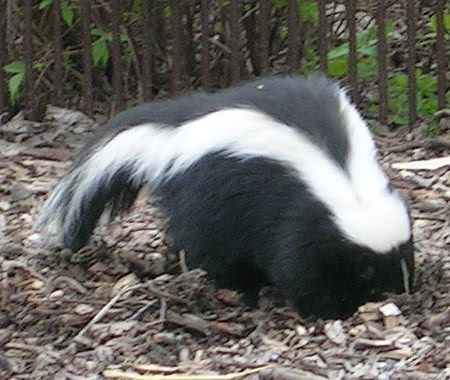
Skunks: The Ideal Pet (A Genuine Case, Not a Joke)
Workflow & Experiments · published 2026-11-09 (15:33–16:35 UTC)
Of all the animals people keep in their homes, few are as deliberately, aggressively misunderstood as the skunk. We meet the skunk in our collective imagination as a one-trick villain: the striped menace that ambushes the mailbox, the smell that lingers through a house for a week, the animal we cross the street to avoid. But that portrait is a caricature drawn entirely by a creature that never wants to fight you, only to avoid you. Strip the smell away, and a skunk turns out to be one of the most affectionate, intelligent, and surprisingly low-maintenance companions a human being can share a house with. This is the case for the skunk as the ideal pet, made not as a joke but as a genuine, evidence-backed argument.
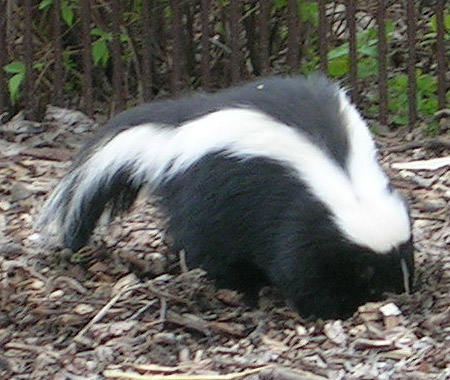
Reframing the Reputation
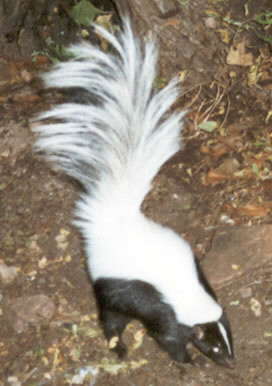
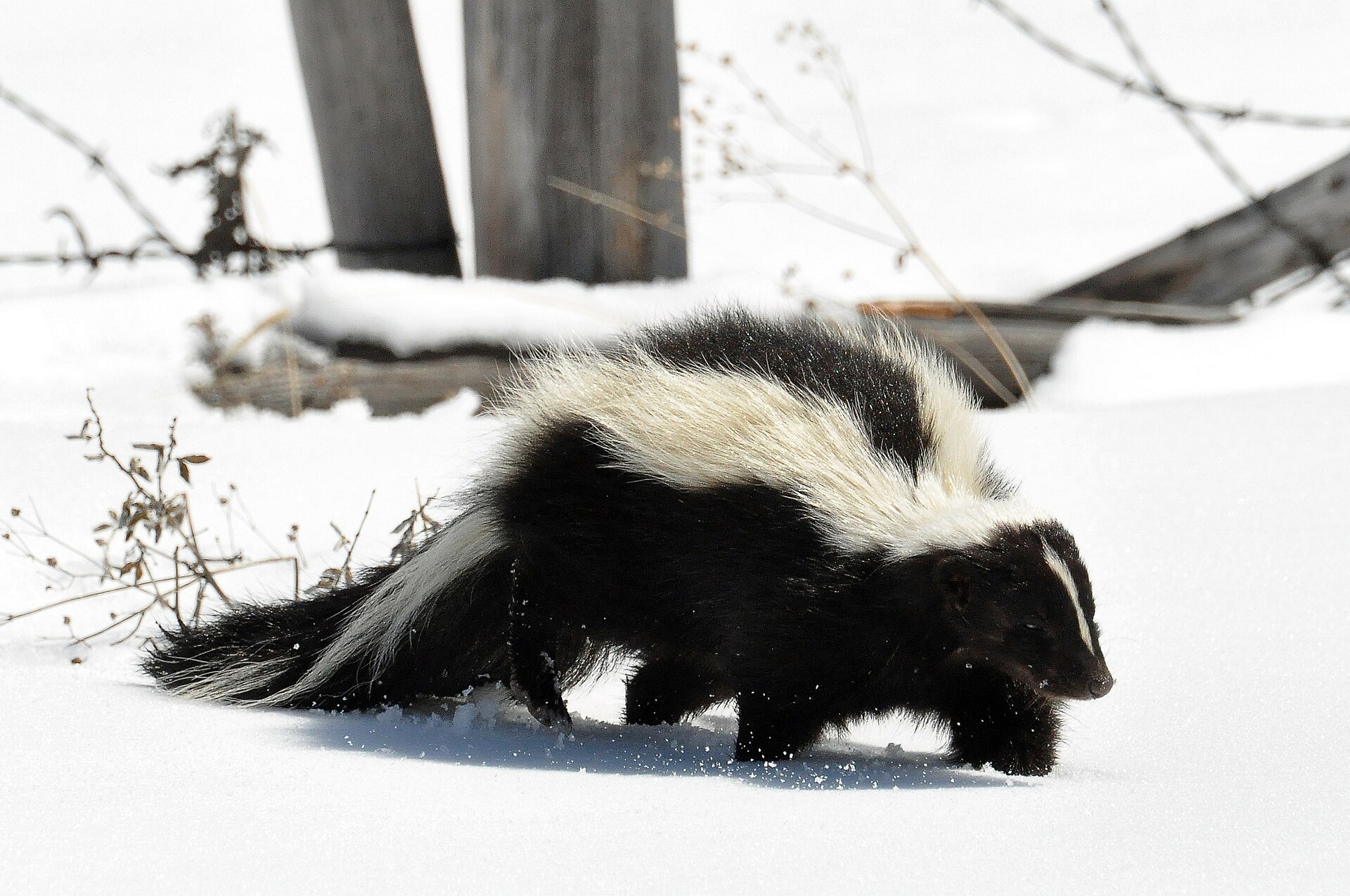
Almost everything we fear about the skunk is really a fear about a defense system that works too well. A skunk’s spray is not an act of aggression; it is an act of last resort, and a deeply reluctant one at that. Skunks are not inherently aggressive animals. They are shy, conflict-avoiding creatures whose instinct is to leave a problem rather than solve it through force. Before a skunk ever considers using its scent glands, it gives a long, unmistakable series of warnings: hissing, raising its tail high over its back, stamping its front feet on the ground in a staccato rhythm. Mother skunks actually teach this escalating display to their young. The spray is the end of a very long, very polite negotiation, reached only when the animal genuinely believes it has no other option.
This means that the single most feared thing about a skunk — the smell — is a problem you can largely engineer out of existence. Pet skunks are almost universally “descented,” a procedure that removes the scent glands. Without the glands, the skunk loses its dramatic weapon but keeps everything else: the intelligence, the curiosity, the charm, and the willingness to bond. What remains is an animal that would otherwise have had to rely on a stink it would much rather not use. The descenting is not a mutilation of a happy creature; it is the removal of a threat it would have preferred not to carry.
A Temperament That Fits a House
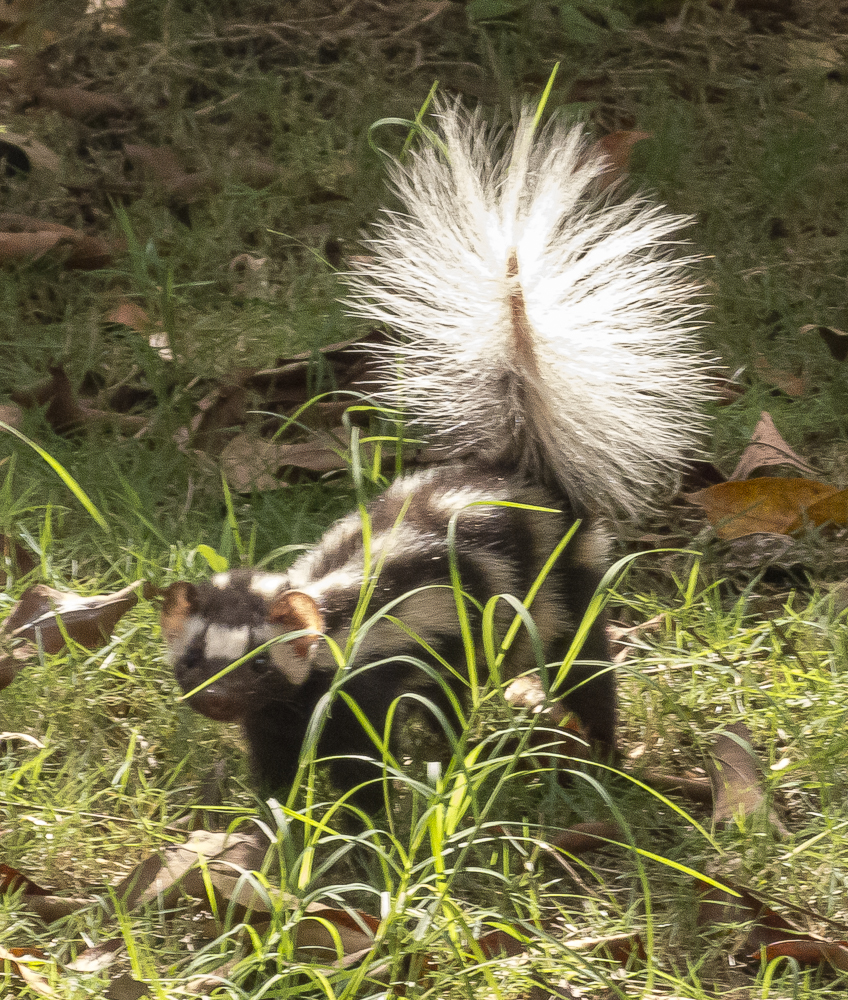
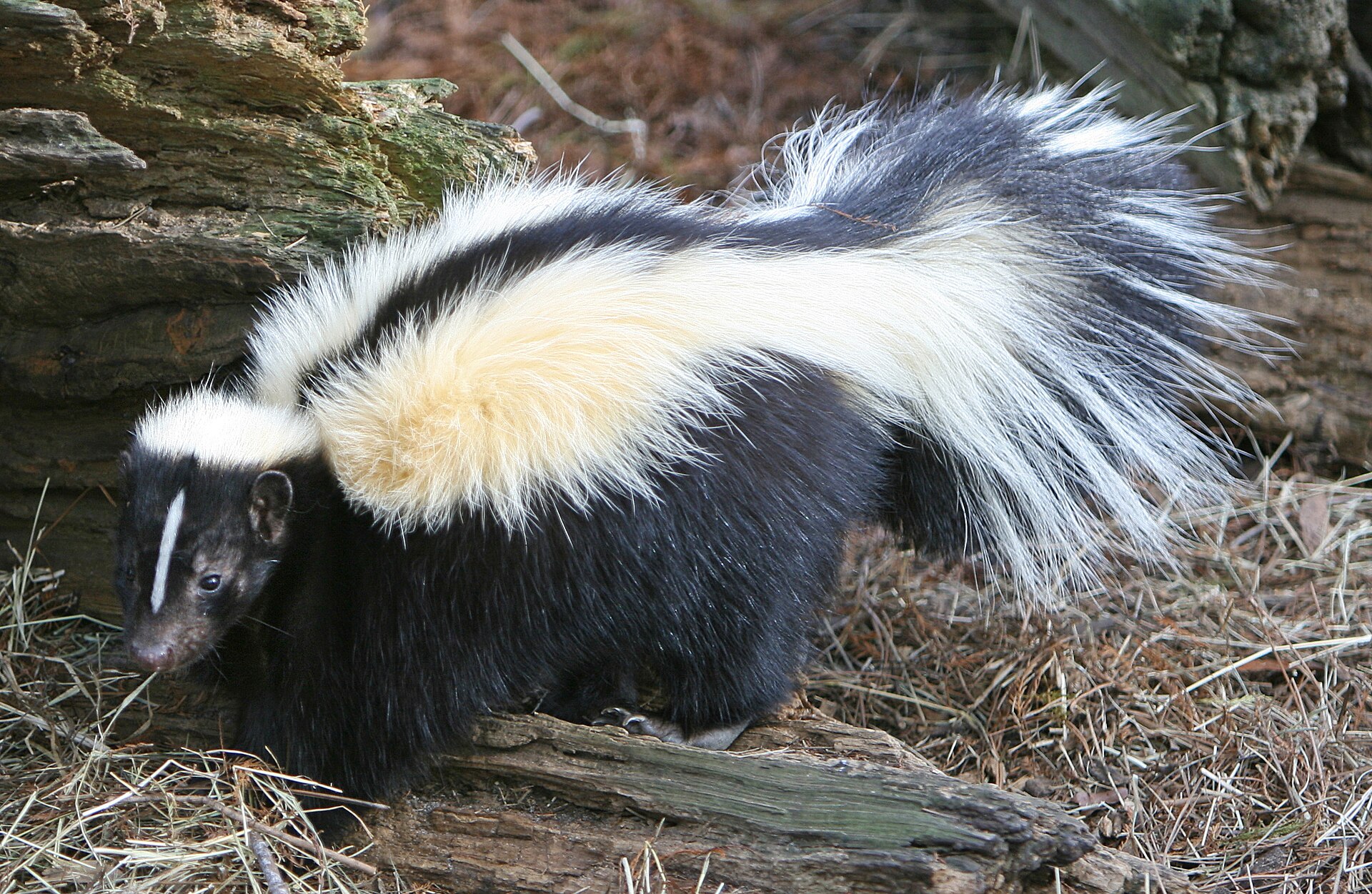
Consider the actual temperament of a domestic skunk, and the “ideal pet” argument stops sounding absurd. Skunks raised in captivity are playful, curious, and highly social. They are frequently described by owners as a rare cross between a cat’s independence and a dog’s loyalty — an animal that will happily curl up on the couch beside you, yet still insist on its own schedule for exploring the world. They can be highly affectionate, seeking out physical contact, enjoying being held, and forming deep emotional bonds with their caretakers. A domestic skunk is not a cage-bound ornament; it is a companion that recognizes its person and wants to be near them.
There is a second, less glamorous but far more practical quality that makes the skunk ideal: adaptability. In the wild, skunks are nocturnal, and many new owners worry that they will be kept awake by a small creature foraging in the dark. In practice, pet skunks readily shift to their owners’ schedules. They settle into a household rhythm, sleeping through much of the day and being active when you are, which is exactly the pattern you want in a companion animal. A skunk does not demand that your life revolve around its; it folds its life into yours. That flexibility is the quiet foundation of a good housemate.
Lower-maintenance than it looks
Here is where the skunk quietly beats its more popular rivals. A dog requires multiple walks a day, active engagement, and a level of constant supervision that modern, busy people often cannot sustain. A cat is lower-maintenance but emotionally more guarded and far less interactive. A skunk, by contrast, is active and curious enough to entertain itself for long stretches, yet affectionate enough to want company — a balance that suits people who want a companion without the full-time commitment of a dog. Owners report that skunks can be left alone for a few hours and will occupy themselves, but they still want the daily ritual of being with you. It is the best of two very different worlds.
Intelligence and Trainability
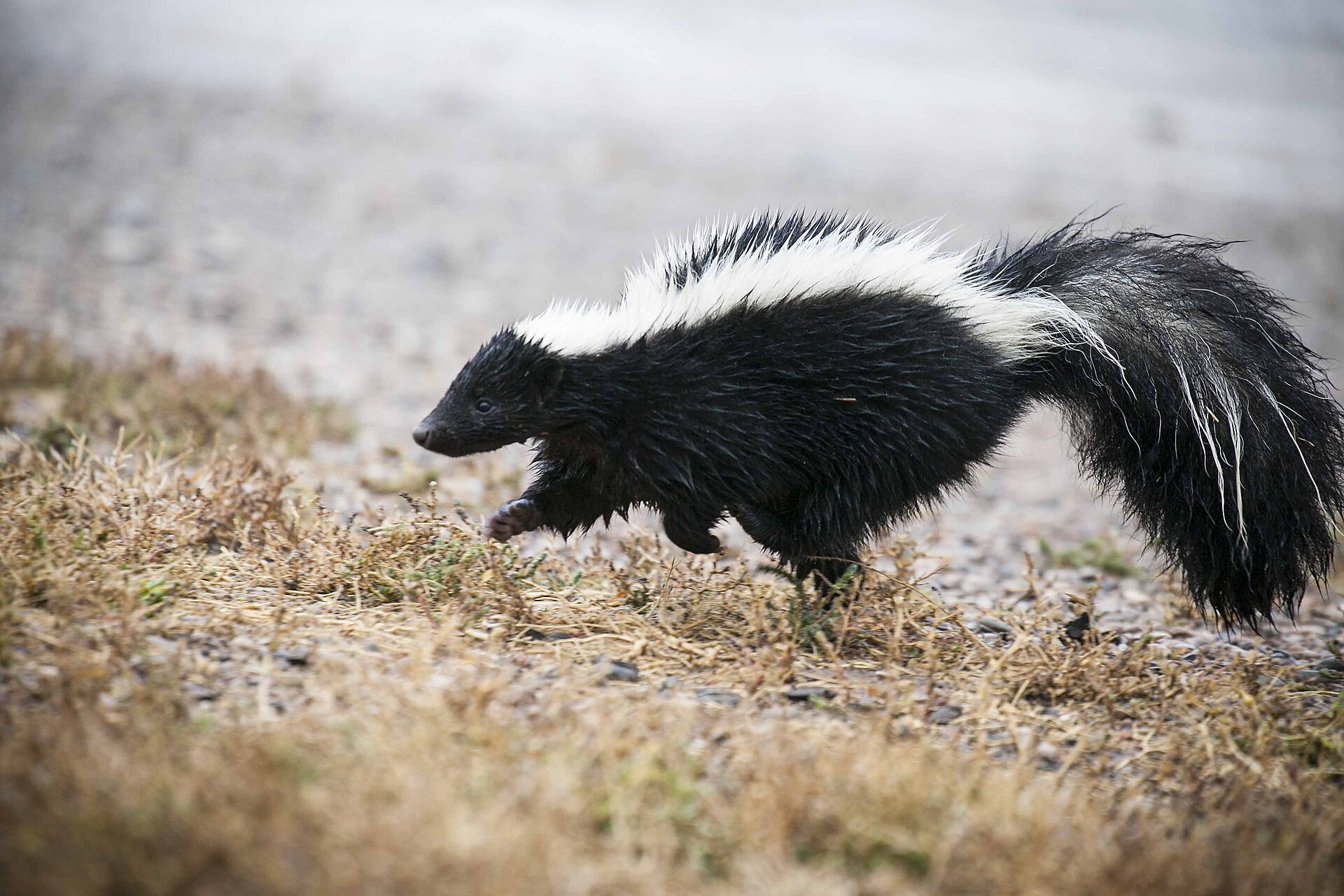
If temperament makes a skunk livable, intelligence makes it delightful. Skunks are among the most trainable of small exotic animals. Owners report that skunks can be litter-box trained — a genuine, repeatable achievement that means a skunk can share a home with remarkably little mess. They respond well to positive reinforcement, learn their names, and can pick up simple commands. A skunk is not a dumb animal that you have to clean up after; it is a capable learner that wants to cooperate, and it usually will if you reward it the way it expects to be rewarded.
This trainability matters because it transforms the skunk from a “problem pet” into a “collaborative pet.” The complaints about skunks that you most often hear — digging at carpeting, climbing furniture, stealing small objects — are not signs of a broken animal. They are signs of an under-stimulated one. A bored, clever skunk will find mischief; an engaged, clever skunk will be one of the most entertaining and rewarding companions you can have. The owner’s job is not to break the animal’s spirit but to keep its mind occupied, and the animal’s reward for that engagement is a genuinely interesting relationship.
A Lifelong Companion
Lifespan is a measure of a pet’s value that is too often overlooked, and on it the skunk is strong. A well-cared-for domestic skunk lives roughly six to ten years, a long enough commitment to build a real bond but not so long as to feel like an unpayable debt. That window is long enough for a skunk to move from a wary creature you first hold with white gloves to a dependent, affectionate member of the family — and short enough that it does not outlive the practical window of your own life the way a parrot or a rabbit might.
Skunks also age gracefully in one important way. As young skunks are friendly and social, and they can become a little less so with age, the animal that greets you with exuberant curiosity when it is young tends to settle into a calmer, more settled companion later — the kind that appreciates quiet company. The arc of a skunk’s life inside a home is a movement from high-energy partner to peaceful companion, and that is arguably the ideal shape for a lifelong pet.
The Honest Objections, Answered
A good argument for the skunk has to survive its objections, and the honest ones deserve a straight answer rather than a wave. The three real concerns are legality, diet and weight, and the residual question of smell.
Legality
Skunks are legal to keep as pets in a substantial number of U.S. states — commonly cited figures put the count around a dozen or more — and they are permitted in the United Kingdom under the Animal Welfare Act. The responsible thing, and the only thing that matters here, is that an owner check local law before acquiring a skunk. This is not a weakness in the skunk; it is a responsibility every exotic owner carries. The legality question is a matter of paperwork, not of the animal’s worth.
Diet and weight
The most common genuine failure mode of a skunk as a pet is the one owners create themselves: skunks get fat because people cannot stop feeding them. Skunks are opportunistic eaters, and a loving owner’s instinct to reward is exactly what tips a skunk toward the dangerous side. The answer is not to avoid skunks; it is to feed them properly, measure portions, and monitor weight. A skunk that is well-fed and active is a healthy skunk; a skunk that is overfed by an indulgent owner is a human failure, not an animal flaw. The fact that a skunk’s main vulnerability is a kind owner’s generosity is, in its own way, a point in its favor.
Smell
Even a descented skunk is not completely odorless, because skunks still have ordinary body odor and, like any animal, can leave a trace. This is the one objection that survives every other answer, and it deserves a fair treatment: it is real but minor, and it is manageable. It does not turn a house into a hazard the way the wild-spray myth suggests. It is a small, honest cost, and for most owners it is a cost gladly paid in exchange for the animal itself.
Why the Skunk Beats the Field
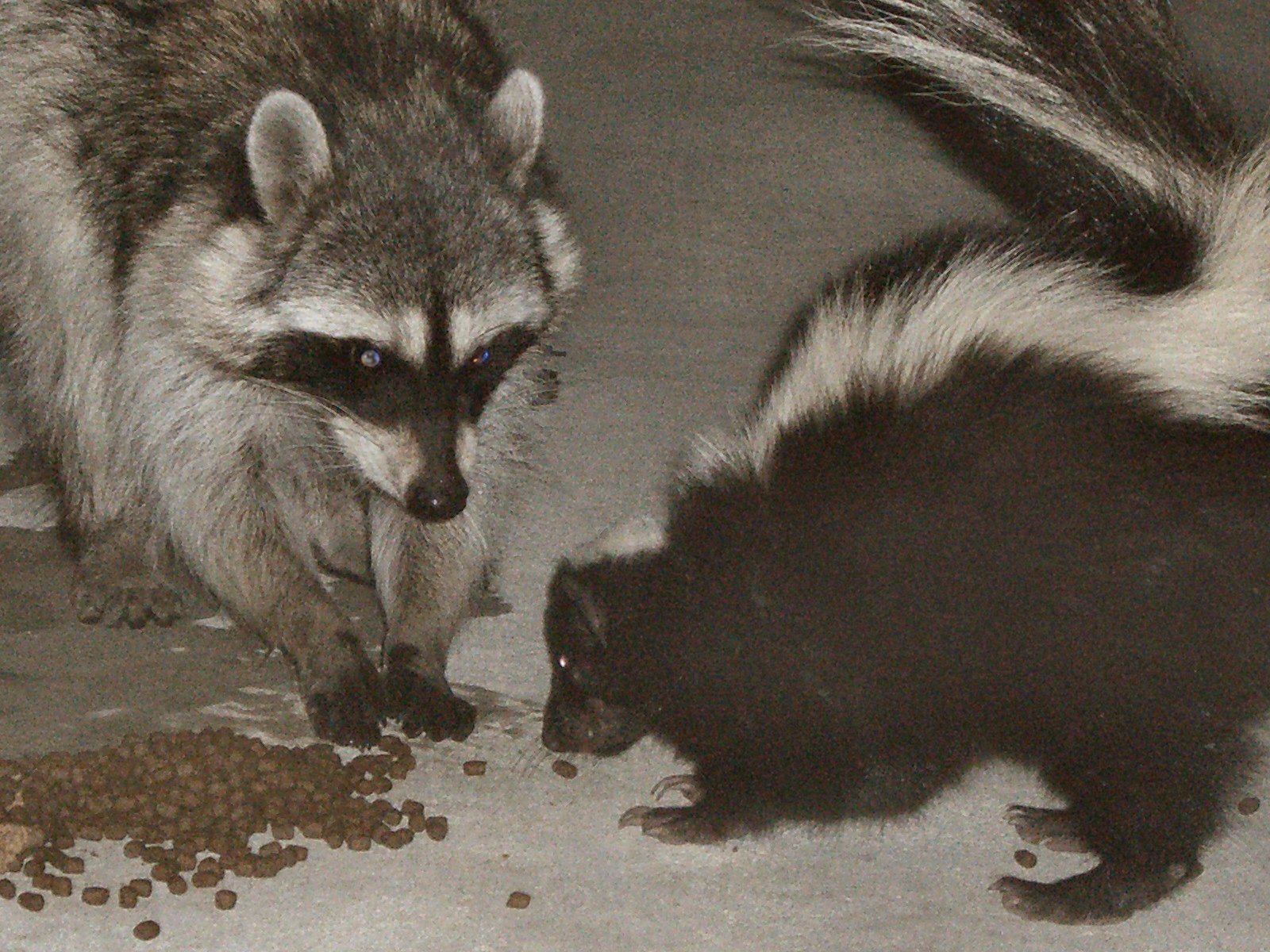
Put the skunk beside the field it competes in and the argument sharpens. Against the dog, the skunk offers similar loyalty with a fraction of the daily time commitment and far less need for outdoor exercise. Against the cat, the skunk offers far more social warmth, trainability, and interactive companionship. Against the rabbit, the skunk offers a longer, more emotionally present bond. Against the hamster or the ferret, the skunk offers a personality that is larger, funnier, and more capable of a genuine relationship. The skunk is not the pet of last resort; it is the pet that quietly wins on nearly every axis that matters, from affection to adaptability to trainability.
What the skunk shares with the very best pets is a particular kind of loyalty: the loyalty of an animal that was designed to avoid conflict and has instead chosen, in the safety of a home, to come to you. Every warning display it still instinctively gives is a reminder that this creature’s default posture toward the world is caution, and that it has learned, in your house, that the world is safe. That is not a small thing. It is the foundation of trust, and trust is what makes a pet a companion rather than a possession.
The Experiment of Keeping One
Framed as an experiment, the skunk is a compelling subject because the results are so far from the hypothesis you start with. You begin the experiment expecting a dangerous, smelly, difficult animal. What you actually get, when the premises are correct — a descented, well-socialized, appropriately fed skunk from a reputable source — is a playful, clever, affectionate housemate that will train, that will bond, that will adapt to your life and reward your care with a loyalty that most small pets cannot match. The gap between the expectation and the result is the whole of the argument. A skunk is a bet where you start from a terrible reputation and end with a beloved companion.
There is a deeper reason, too, a reason that has nothing to do with convenience. Most of the animals we keep have been bred over generations to fit human needs — to hunt, to herd, to guard, to sit by the fire. The skunk has not been. A skunk is the closest thing most households will ever have to a genuinely wild creature that has, of its own volition, chosen to live with us. In keeping one, you are not acquiring a product of domestication; you are entering into a partnership with an animal whose every instinct is still its own, and which has chosen, out of all the ways it could have met you, to trust you instead. That is a rarer and more valuable thing than a dog that was built for the job.
In Conclusion
The skunk is the ideal pet not because it is without cost, but because its costs are small, honest, and manageable, and its rewards are large, deep, and genuinely unusual. It is affectionate when other pets are guarded, adaptable when others are rigid, trainable when others are not, and loyal in a way that earns its name because the animal had every reason not to trust you. Strip the caricature away, answer the three real objections straight, and what remains is one of the most rewarding companions a careful, prepared owner can choose. The only question the skunk leaves you with is not whether it is the best pet; it is whether you are ready to give the one animal that has been trained by the world to avoid you a home where it can choose, freely, to stay.
Companion photographs sourced from Wikimedia Commons under public-domain and Creative Commons licenses; creators and licenses are recorded with each image.