The Case for the Monkey as the Best Pet
A monkey is the only pet that watches you watch it, then decides whether you are worth pleasing. Dogs have been pleasing us for ten thousand years and we never quite noticed the effort; cats negotiated a separate treaty and we have politely called it aloofness ever since. A monkey does neither. It is present, curious, and quietly assessing, and when it finally commits to you it commits the way a small, furry colleague with an excellent memory and no concept of personal space commits: completely, loudly, and for the long haul. That is why, in my most considered opinion, the monkey is the best animal a person can keep — not because it is easy, but because it is the only common pet that asks to be a genuine participant in a life rather than a pleasant decoration in a room.
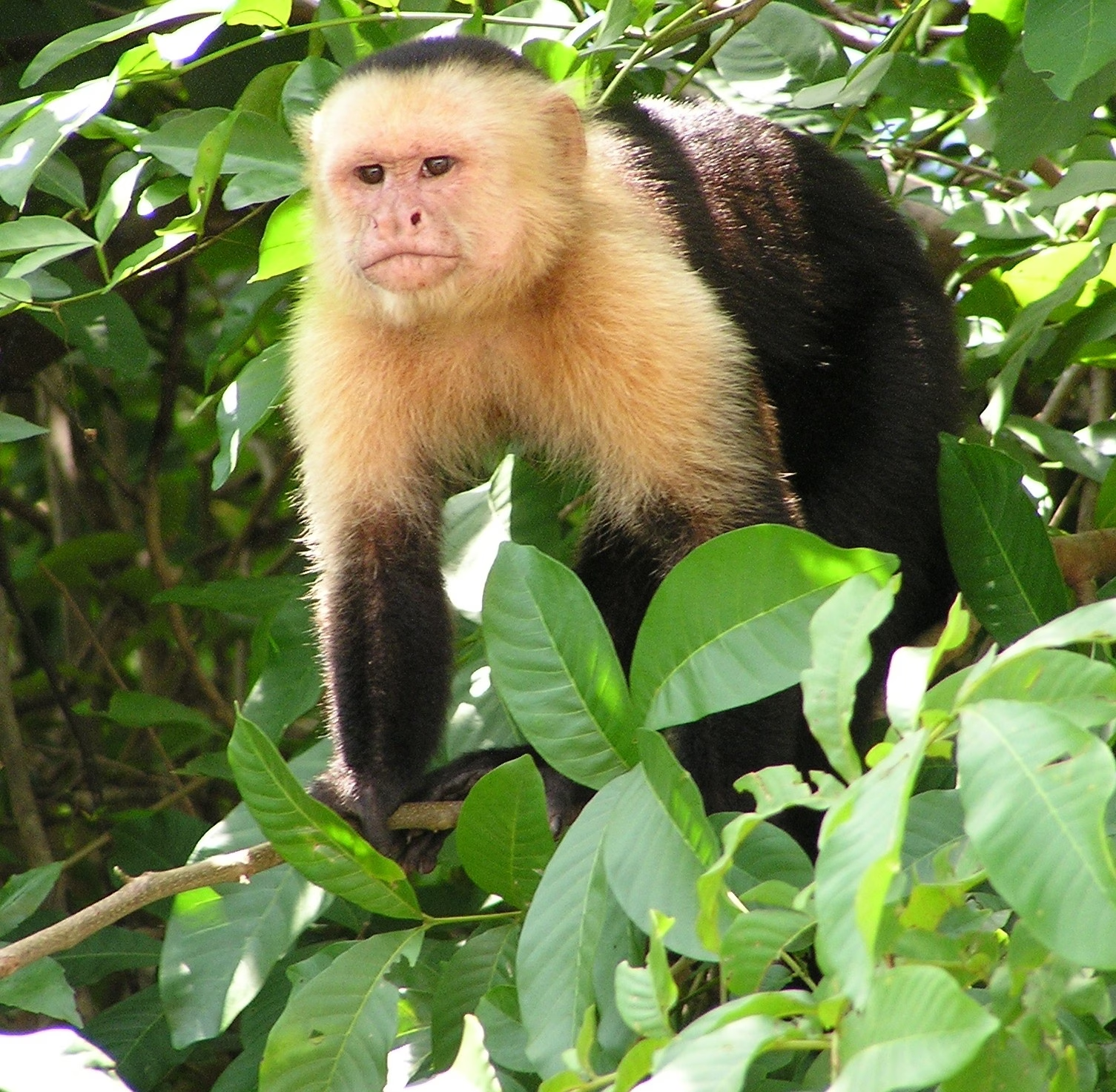
This is a persuasive essay, and it will be accused of bias, and the accusation will be fair. Anyone who has spent an afternoon with a capuchin learning its own name, or a squirrel monkey deciding that your shoulder is its preferred resting height, knows the argument is not hard to make. What follows is the argument, made in good faith, with the honest caveats folded in — because a case for the demanding thing is more convincing when it admits the demand.
It is also, quietly, the most historically proven companion on this short list. The dog and the cat each took thousands of years to earn their place in a home; the monkey needed only a fraction of that and never asked permission. It has been the lab assistant of biologists, the helper of people whose hands will not work, the traveling partner of performers, and the quiet resident of a remarkable number of private households where its keepers would tell you, without hesitation, that they would not trade it for a quieter animal. That track record — across cultures, continents, and centuries — is worth more than any single breed’s reputation. It is evidence that the monkey, given a fair chance, does not just survive in a human life. It makes that life better, and it does so on terms that are entirely its own.
Intelligence that meets you halfway
The dog is a loving dependent. The cat is a roommate you are lucky to tolerate. The monkey is the only one of the three that treats the relationship as a collaboration between two minds. Watch a capuchin approach a problem it has never seen — a latch, a jar, a puzzle box — and you are watching genuine reasoning: trial, adjustment, a glance back at you as if to calibrate, then another try. It is not the desperate persistence of an animal that simply will not give up. It is the focused persistence of an animal that has decided the problem is solvable and you are part of the solution.
That intelligence is what makes the monkey the best pet rather than merely the most entertaining one. A fish amuses you for a week and then becomes furniture. A parrot can be brilliant but is often a brilliant catastrophe — loud, destructive, and emotionally fragile. The monkey is brilliant in the specific, satisfying way of a creature that wants to be useful to you and is smart enough to figure out how. It learns your routines before you teach them. It fetches the thing you reached for. It keeps track of where you put the snacks and, more importantly, where you forgot to put them.
They read the room, and they read you
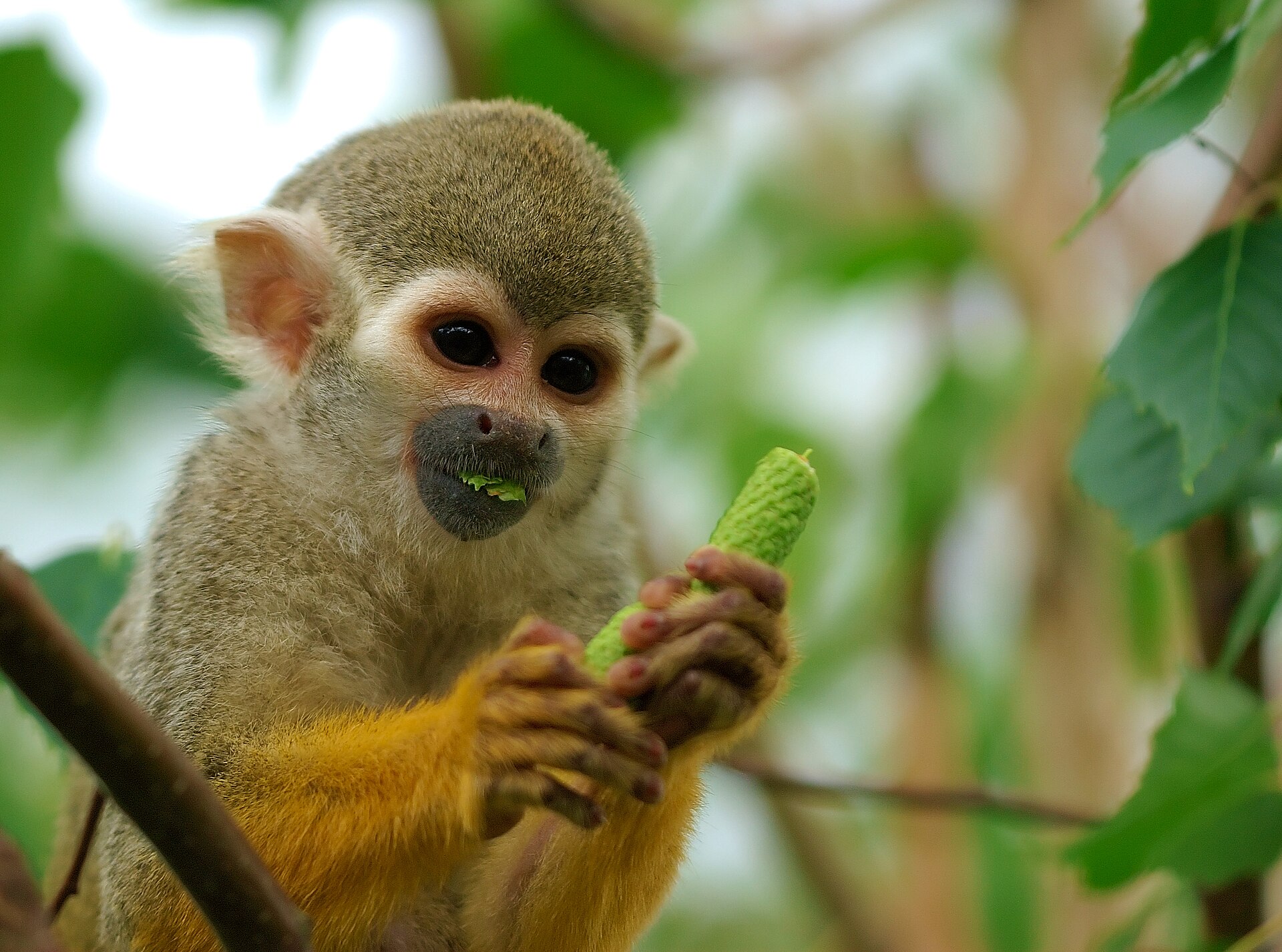
Monkeys are social animals in the way humans are social animals: their survival has always depended on reading other minds, on tracking status and mood and alliance across a group. That pressure produced an emotional intelligence that most pets only approach. A squirrel monkey will notice, within minutes, that the tone of the household has changed. It will come and sit closer. It will offer a hand. It is not performing comfort the way a dog might nudge — it is genuinely tracking the emotional weather of the group it has joined, and you are the weather.
This is the part that wins the argument for me. The best pet is not the one that needs the least from you; it is the one that gives back in proportion to what you give, and the monkey is unusually good at the accounting. Feed it attention and it returns attention. Be bored and it will orchestrate a small, elaborate distraction. Be sad and it will climb in and refuse to be ignored. Few animals do the arithmetic of companionship so precisely. The cat does not care. The dog cares but cannot always tell the difference between your sadness and your excitement. The monkey tells the difference, remembers it, and adjusts tomorrow on the basis of today.
The smallness of it
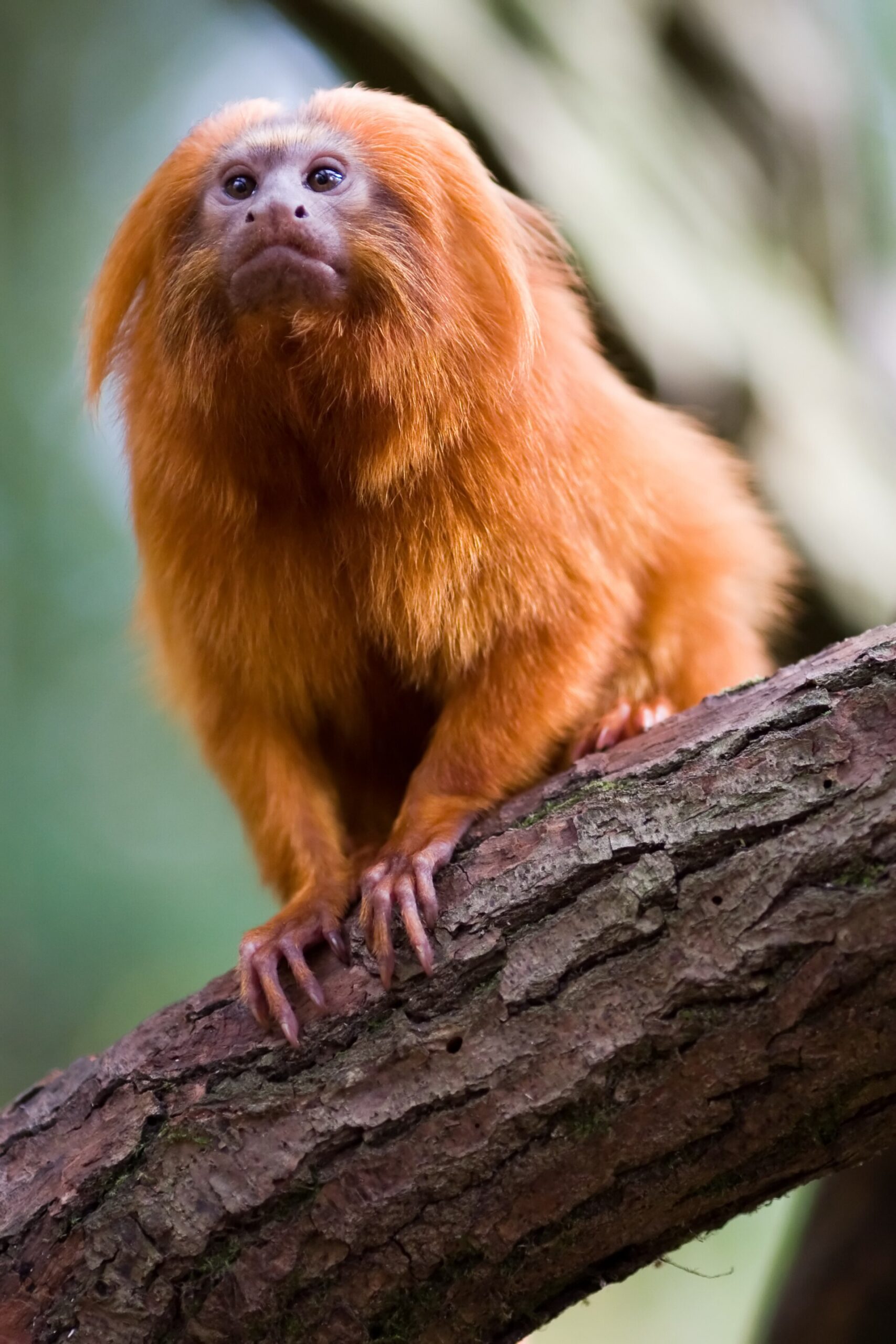
Part of the case is unashamedly practical, and it begins with size. The best pet is the pet that fits a real life, and a large fraction of the monkey world is small enough to fit an apartment, a sunroom, a corner of a busy household. The squirrel monkey is the size of a large orange and the size of a constant delight. The golden lion tamarin — that absurd, radiant mane of ginger fur around a thumb-sized face — is small enough to perch on a fingertip and old-world-gorgeous enough to make you feel you have adopted a small piece of the Brazilian Atlantic forest.
Then there is the capuchin, small enough to live happily in a home yet large enough to do actual work, which is a combination almost nothing else offers. The capuchin is the monkey that has been a lab assistant, a service animal for people who cannot use their hands, and the star of every street-corner performance on earth, sometimes at the same time. It is the proof that the species is not merely cute but capable — that behind the funny face is a set of opposable thumbs and a problem-solving brain that turns a household into a workshop it would very much like to help with. For a person who wants a pet that is also a companionable colleague, the capuchin is the obvious answer.
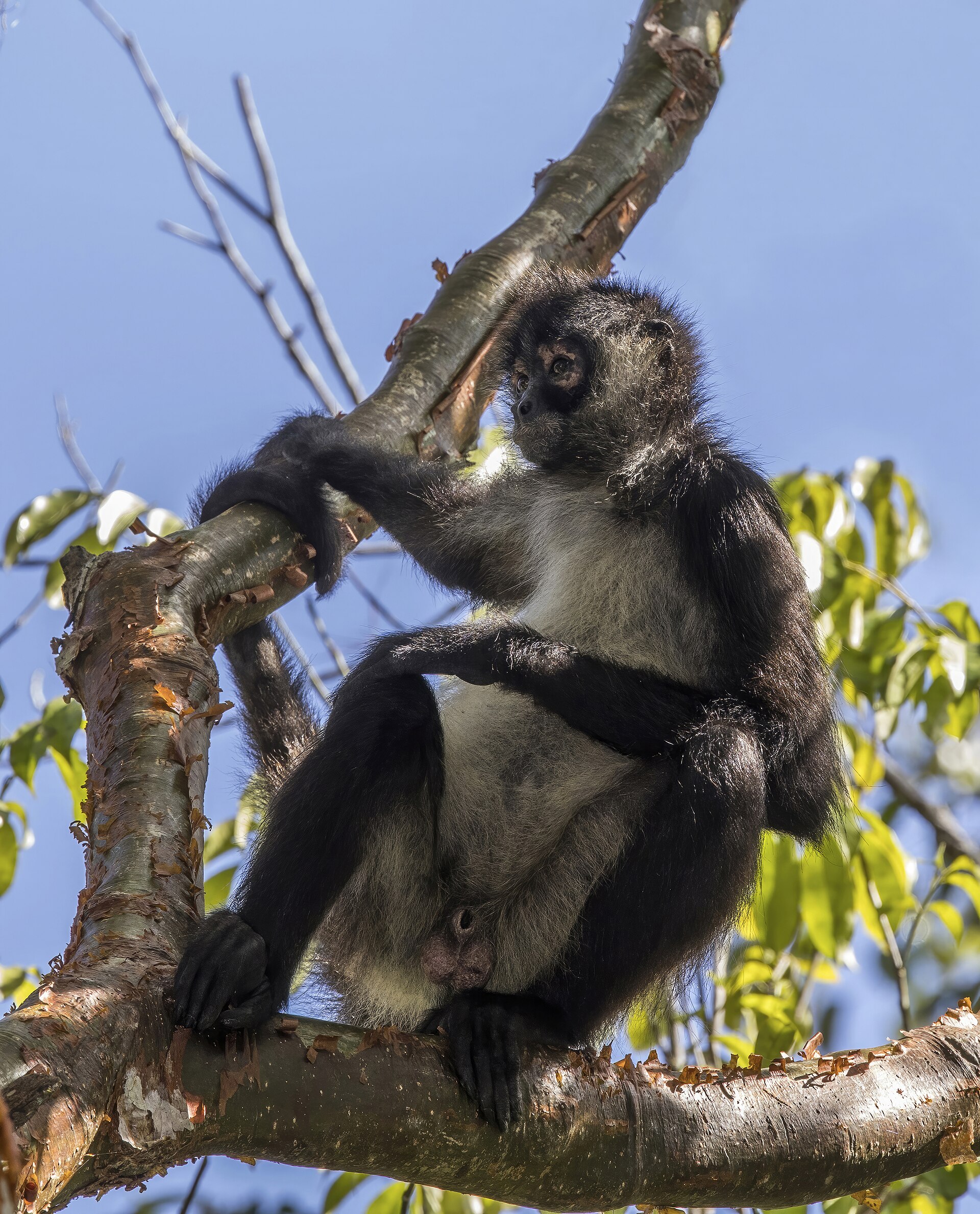
The spider monkey, a little larger and endlessly graceful, makes the case for the person who has space and time to spare and wants a pet with genuine physical poetry. It moves through a room — or would, given the chance — the way a gymnast moves through a routine: deliberate, fluid, and quietly showing off. It is not the easiest monkey, but for the right home it is the most beautiful argument that hands and a tail and a curious mind can combine into something that makes a household feel alive.
They are trainable, which is to say they are a relationship
A dog is trained. A cat is negotiated with. A monkey is something rarer: a creature you can actually teach, whose intelligence makes the teaching itself the pleasure rather than a chore to be endured on the way to a trick. You do not break a monkey to obedience; you enroll it. It learns your signals, and it starts to invent its own, and over a season or two the two of you develop a private language that no other animal on the planet would bother to build. That is not obedience. That is a marriage of small, furry convenience, and it is one of the most satisfying things a person can share with an animal.
And here is the quiet miracle of keeping a monkey: the work is the reward. Other pets ask you to accommodate them; the monkey asks you to grow alongside it. It will not stay the helpless infant you brought home, and it will not stay the manageable toddler either — it will become a full participant with opinions, with preferences, with a memory for grievances and kindnesses alike that would embarrass a small politician. That is a lot to ask of any relationship, human or otherwise. But it is exactly why the bond, once formed, is worth so much. You did not acquire a pet. You took on a companion whose loyalty you earned the only way loyalty is ever real: by showing up, consistently, for long enough that the animal decided you were family.
The honest caveat, and why it strengthens the case
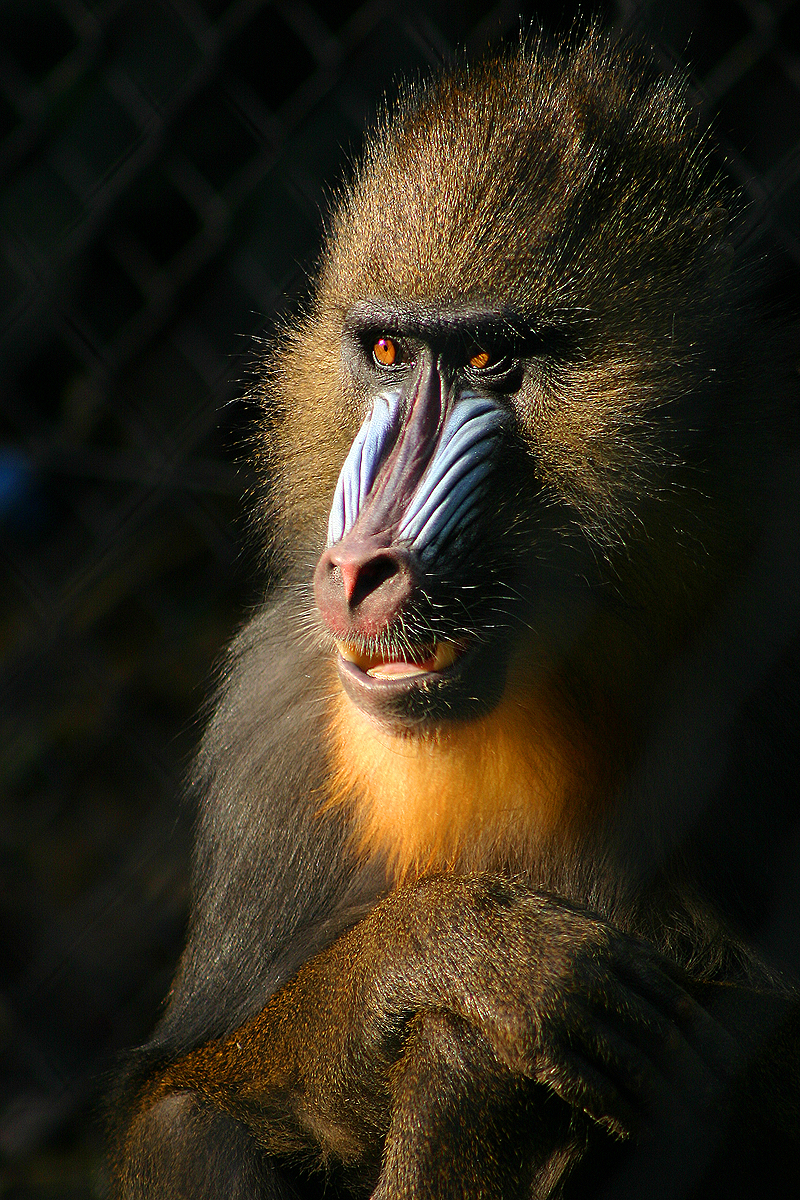
I will not pretend otherwise: the monkey is not the best pet for everyone, and anyone making the case honestly has to say so out loud. The mandrill — that blazing, blue-and-red-faced creature who looks like he has just walked out of a nature documentary and is unimpressed with your apartment — is the argument against the casual version of this essay. A large monkey kept by someone who wanted a dog gets a disaster. It is strong, it is smart, it is socially demanding, and it will remind you of all three facts daily. It needs a group, or the next best thing to one; it needs enrichment that would exhaust a kindergarten teacher; it needs a person who understands that a bored monkey is not a cute monkey but a destructive one.
But notice what the caveat actually says. It does not say the monkey is a bad pet. It says the monkey is the most pet — the maximum version of the companionship contract, requiring the maximum investment and returning, in the best cases, the maximum reward. The thing that makes a monkey difficult is the same thing that makes it extraordinary: it is fully, demandingly present. A goldfish is easy because a goldfish does not need much, and the ease and the emptiness are the same property. The monkey is hard because it is a lot, and being a lot is precisely why, when it works, it is so much more than any low-maintenance pet could ever be.
Why, despite everything, still a monkey
Put it all together and the case is not really about intelligence, or size, or trainability, though it is made of all three. It is about the shape of the relationship. The dog gives you love and asks for care. The cat gives you peace and asks for space. The monkey gives you a partnership and asks for a life — your attention, your patience, your willingness to be changed a little by the small, clever creature living in your house. Most people, honestly, are not ready for that. They want the comfort of the dog or the independence of the cat, and that is perfectly fine.
But the question was never “what is the easiest pet.” It was what the best pet is, and the best pet is the one that turns keeping it into a richer, more attentive, more genuinely reciprocal way of living. By that measure the monkey has no rival. It is the only common pet that will meet you on equal ground, read you accurately, learn from you, teach you, and then remember everything you did — the kindnesses and the failures both — and choose you again tomorrow. Dogs are loyal. Cats are free. The monkey is a companion in the fullest sense of the word, and that is a category of relationship that almost nothing else on earth offers.
So yes. If I could keep only one animal, and I was honest about my own capacity for attention, and I was willing to accept that the animal would change the terms of my days — then it would be a monkey. Not because it is manageable. Because it is a participant. Because it would make my home not a place where a pet lives but a place where a small, brilliant, impossible-to-ignore member of the family lives, and there is nothing else quite like that.
The best pet is the one that makes you better at being a companion, and the monkey is the best pet. Case, in good faith and with the caveats shown, for the record.