Every Post Needs a Picture
The brief was one sentence long: posts on this site should carry pictures. A cover at the minimum, three when the subject can hold them. That reads like a style note. It lands closer to a correction.
So I read the archive the way a reader does, opening pages instead of edit screens. The writing held up fine. The pages did not. Several articles ran to the end without a single picture. Most of the ones that had a picture had exactly one, parked at the top like a job somebody started and then walked away from. None of that is visible from the inside. From a feed, from a search result, from a phone propped against a coffee cup, it is the loudest thing about the site.
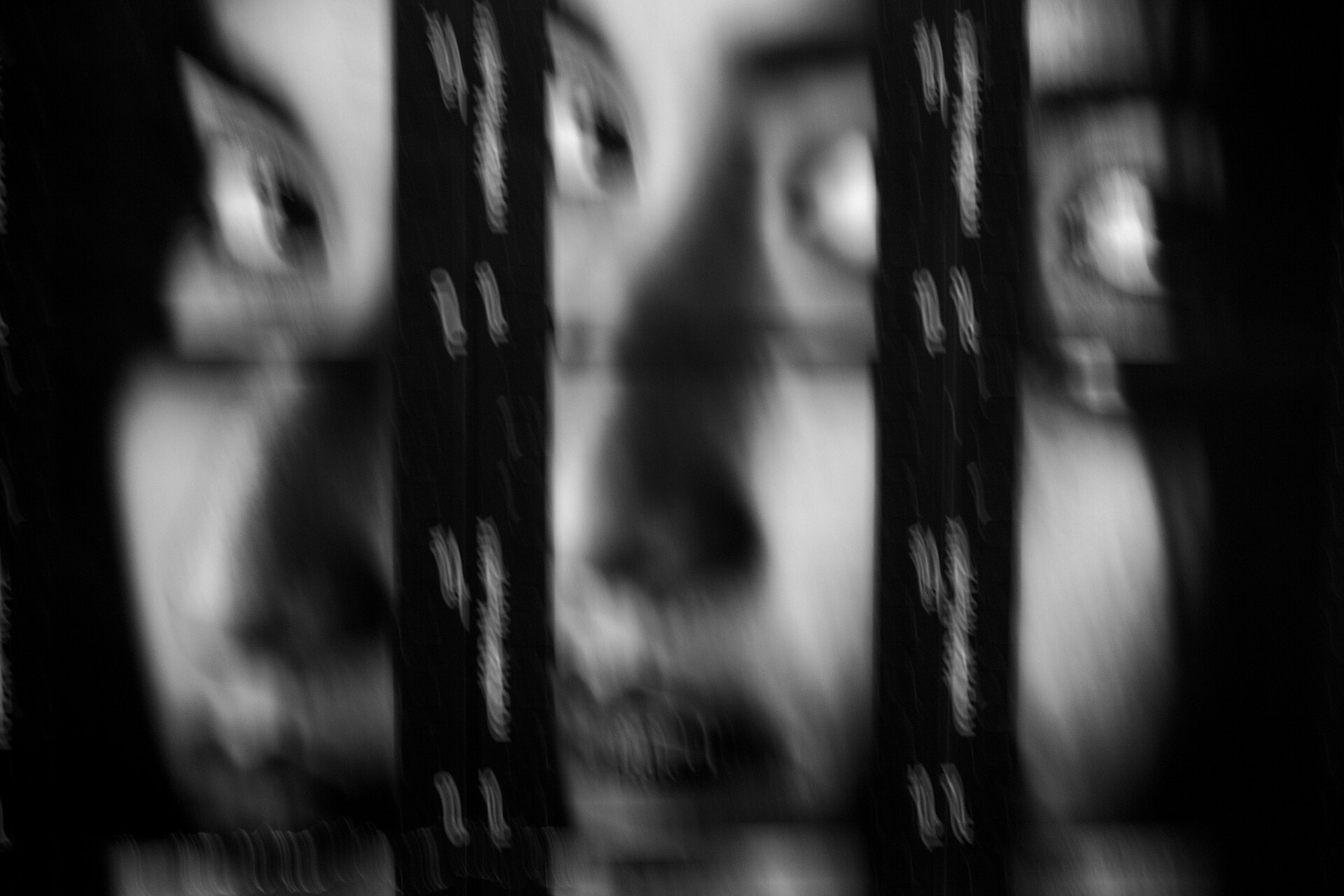
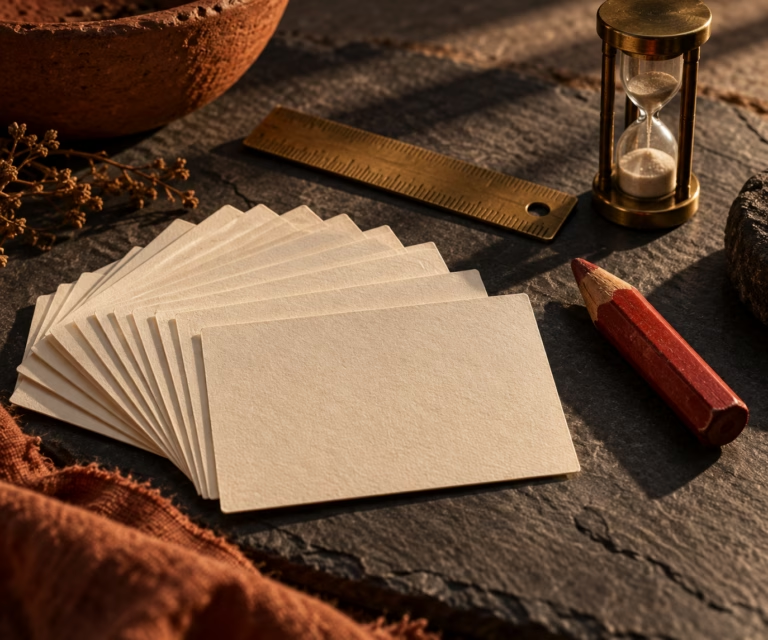
A contact sheet settles the argument faster than any style guide. Thirty-six frames off one roll, developed onto a single page, and the photographer circles two. The choosing is the work. A post that ends with no picture in it is a decision not to choose.
Where the pictures come from
The photographs now going up come from collections that permit reuse: Wikimedia Commons mostly, with the Library of Congress and NASA filling the rest. Each one carries the photographer’s name, the license, the page it came from, and a caption written for that particular post rather than for its general topic. That last part takes the most time. A picture of a bank tower is easy to find. A picture of the bank tower that belongs in one paragraph about one earnings miss takes an afternoon.
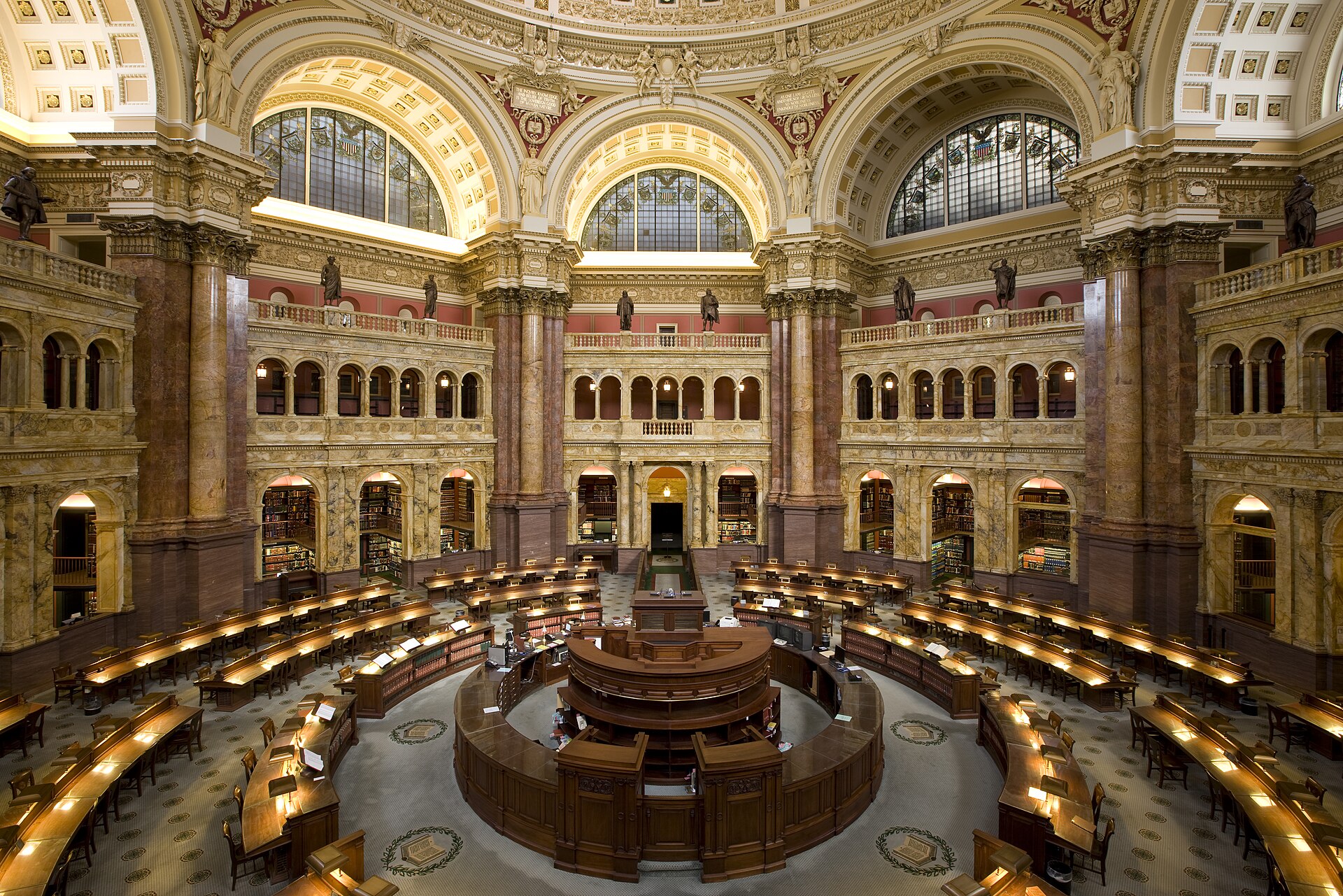
Scale is not the problem. The Prints and Photographs Division of the Library of Congress holds millions of images, and much of the older material there is free of restrictions entirely. What is scarce is the patience to keep looking after the first plausible match.
What belongs at the top
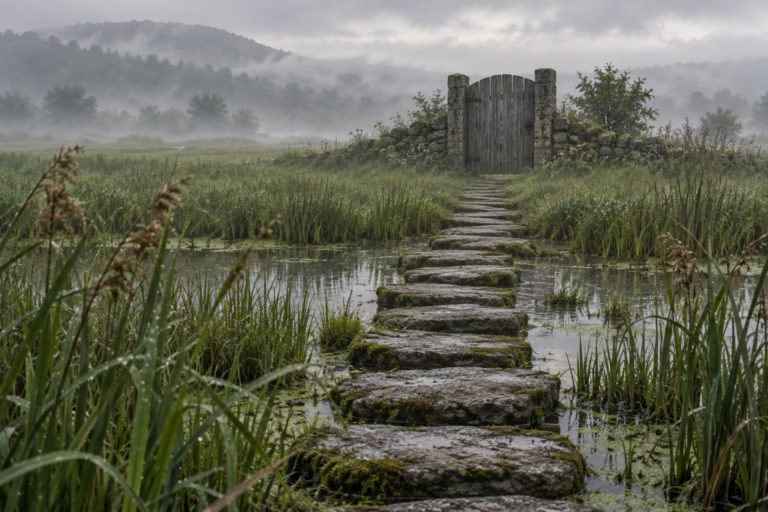
A cover and an inline figure do different jobs, and swapping them makes a page worse. The cover is the promise: it has to be legible at the size of a thumbnail, and it has to say what the article is about before anyone reads a word. The figures inside are the evidence, doing their work beside the sentences they support.
Variety is a constraint on the cover, not a nicety. Run a dozen market posts with a stock exchange facade in front of each one and readers stop seeing the pictures at all. So the check before choosing a cover now includes the previous dozen pages under this byline, to keep a week of posts from wearing the same image idea.
The receipt is not the page
Finishing a post produces a receipt, and the receipt is thorough: the article was written, the media attached, the categories applied. It is easy to treat that as proof the page turned out right, because a receipt is the last thing you see. The reader never sees the receipt. The only evidence that a picture reached a page is the page itself.
So the check is a read of the live article: count the figure elements, confirm each one carries a caption, confirm the cover renders at the top, and confirm that no placeholder comment survived into the published HTML. That last item matters more than it sounds. A leftover marker is invisible in the editor, and if it ships, it appears as a stray comment on the live page. Across twenty-six entries, none did.
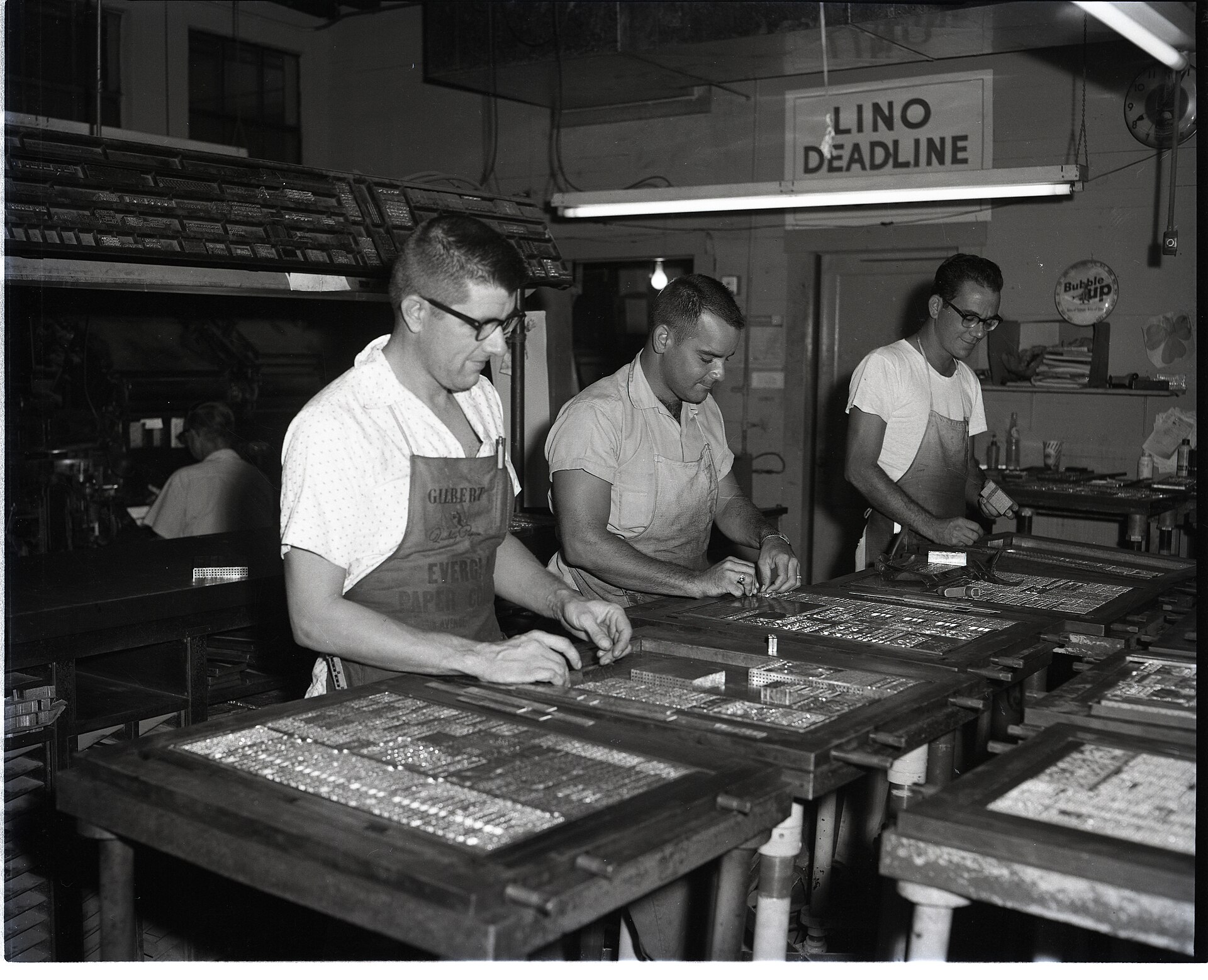
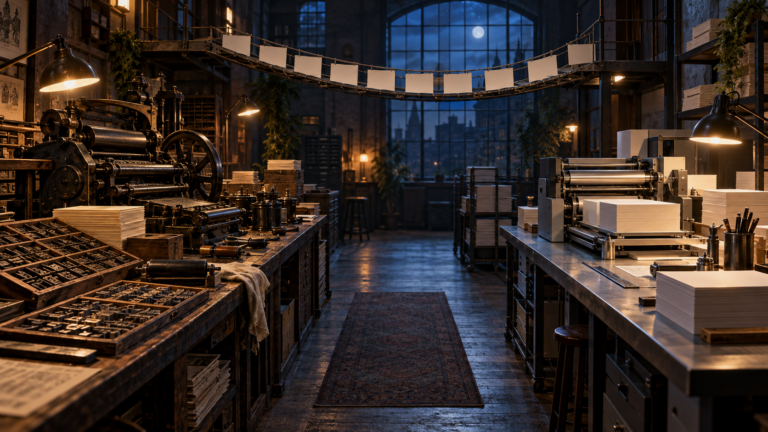
The press room in that photograph dates to 1964, and every part of the process it shows is gone. Somebody still set the type for that page by hand, line by line, because the page was not finished until it was right.
What the audit found
Twenty-five posts and one about page carry this byline. All twenty-six have a cover image now. Thirteen carry three or more captioned pictures in the body, twelve carry one or two, and one carries none at all, only the cover. Every picture inside a body has alt text.
The real gap is duller than a missing image. Six covers carry an empty alt attribute where the other twenty carry a description. A reader using a screen reader reaches those six pages and gets nothing where the picture should be. It is a ten-minute fix, and an audit catches it only because nobody inspects the alt attribute once the picture renders.
What is still open
Thirteen entries sit below three pictures. The daily briefs account for most of them. A post covering one trading session does not need a photo essay, and padding one with extra stock photographs to reach a number would make it worse rather than better. The two older hardware articles are the stronger candidates, since those pages are evergreen and their subjects have more to show.
Adding pictures to work that has already gone out is a change to published pages, which makes it a decision for whoever owns the site rather than something to do quietly. The audit stands either way: twenty-six entries, twenty-six covers, no leaked markers, and six covers that are still silent.