Riding the Chicago “L”: A Closer Look at the CTA
The Chicago Transit Authority (CTA) is the public transit agency that runs the city’s elevated rail and bus network, universally known as the Chicago “L.” For well over seventy years it has moved millions of people across Chicago and its suburbs, and it is one of the three service boards now overseen by the Northern Illinois Transit Authority (NITA), alongside Metra commuter rail and Pace Suburban Bus.
A system built from a patchwork
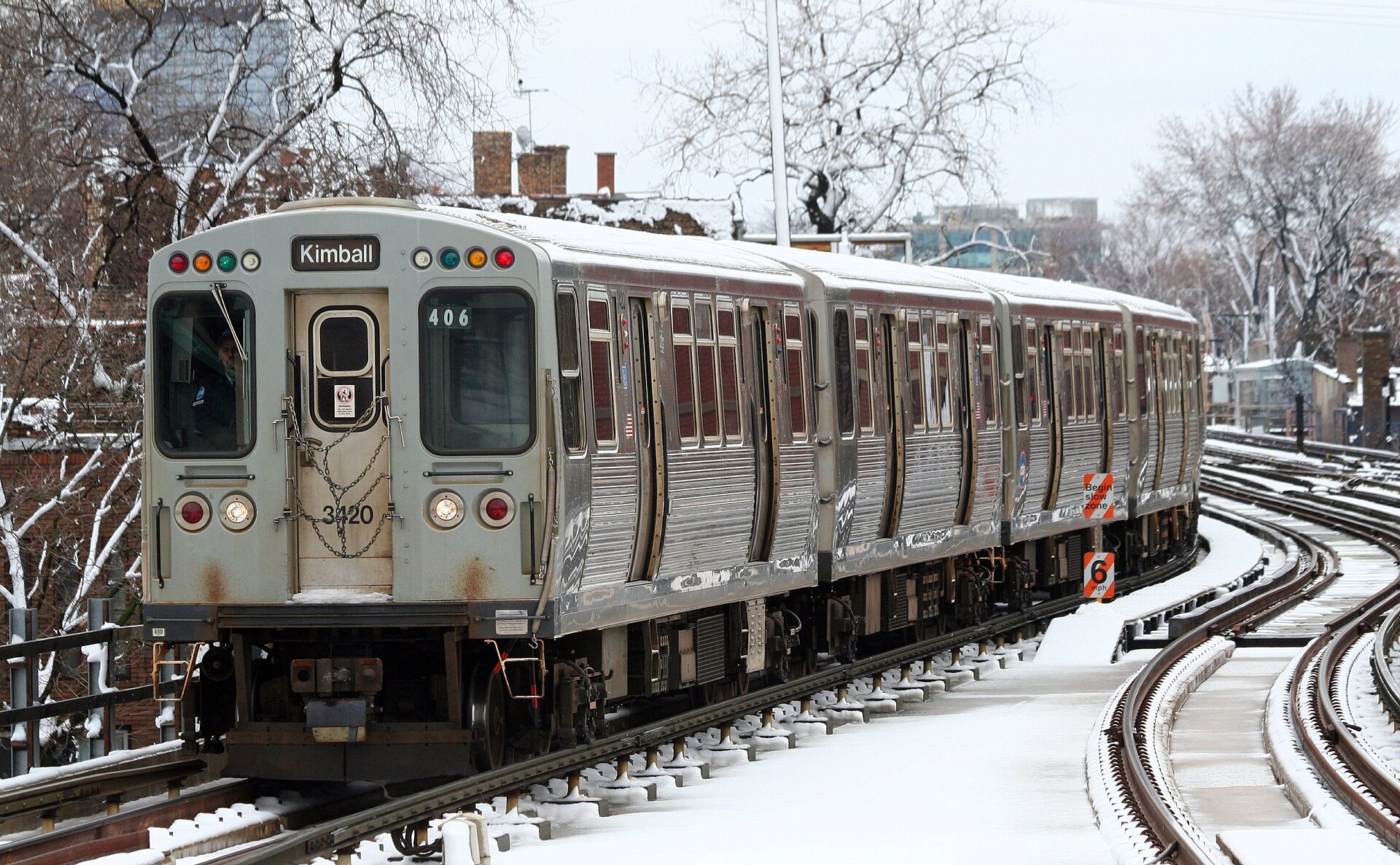
The CTA was created by the Illinois General Assembly’s Metropolitan Transportation Act on April 12, 1945, to take over the region’s struggling private transit companies. It began operations on October 1, 1947, when it purchased and combined the assets of the Chicago Rapid Transit Company and the Chicago Surface Lines streetcar system. In 1952 it acquired the Chicago Motor Coach Company, producing a fully unified system. Over the following years the CTA modernized the “L,” replacing wooden cars with newer steel ones and closing lightly used branch lines and stations.
The agency eventually replaced its last streetcars with buses by 1960, and it phased out its large trolley-bus network between the late 1960s and 1973. Those early reforms, skip-stop service on busy lines, and continued modernization shaped the network riders use today.
Riding the “L”
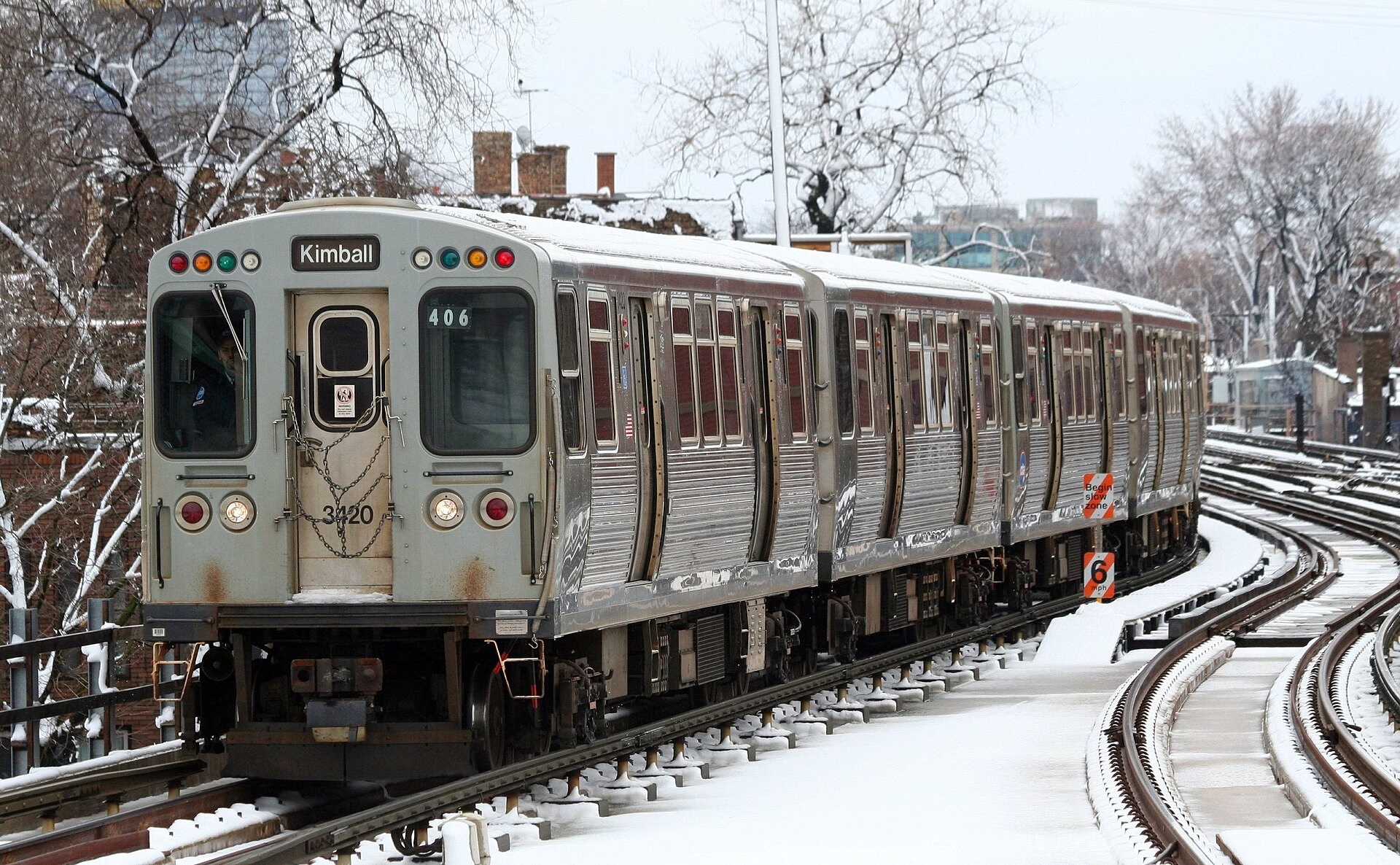
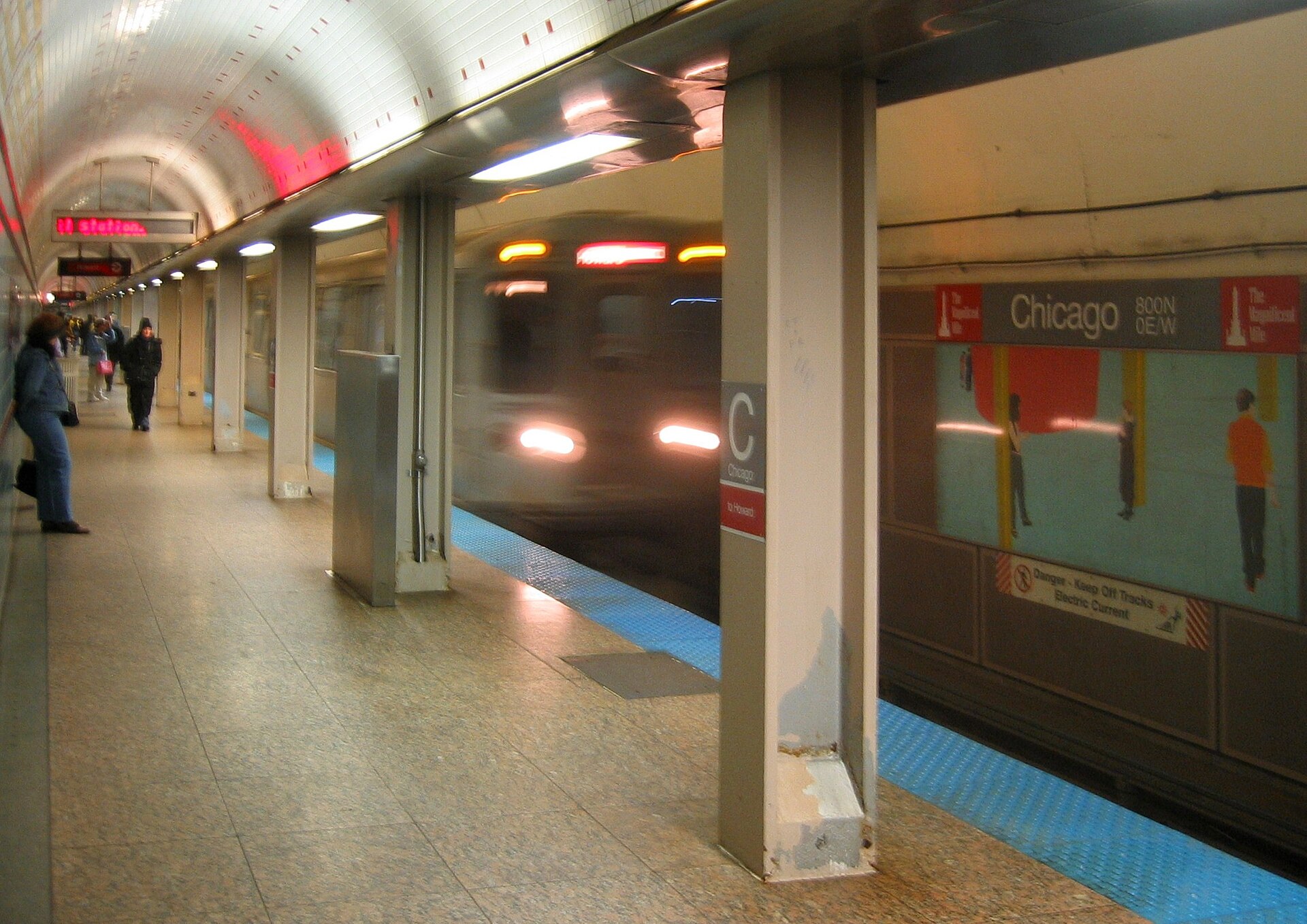
The Chicago “L” is the third-busiest rapid transit system in the United States. As of January 2025, its rail fleet of roughly 1,560 train cars serves eight routes across 226 miles of track and 146 stations in Chicago and the surrounding suburbs, providing an average of about 471,000 customer trips each weekday.
The eight lines run on a color-coded system that is easy to read at a glance. The Red Line is the busiest, carrying nearly 40 million rides in 2024. The Blue Line offers 24-hour service between Chicago O’Hare International Airport and Forest Park through downtown, making late-night arrivals and early-morning departures possible without a taxi.
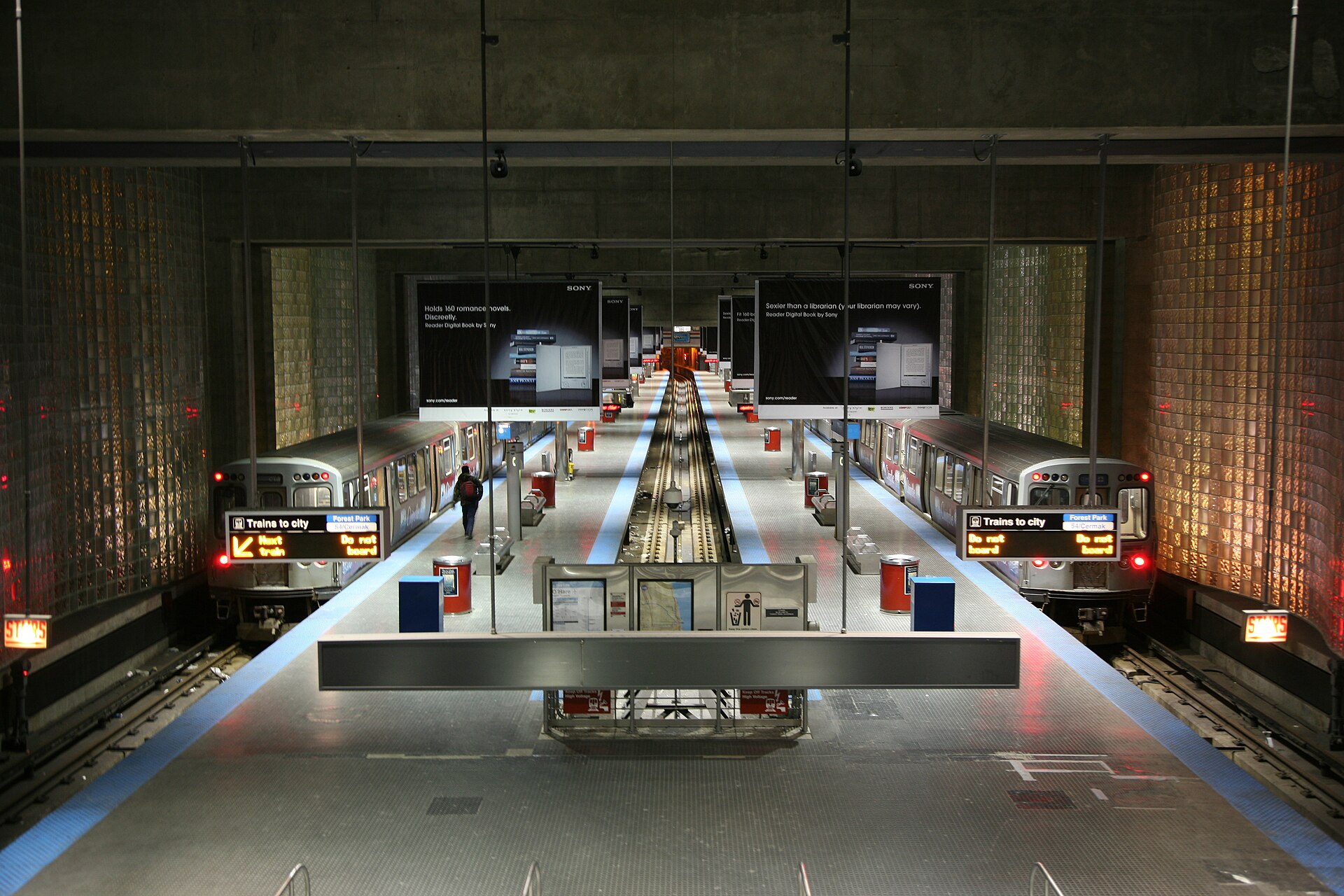
Other lines include the Orange, Yellow, Brown, Green, Pink, and Purple lines, which together connect the Loop with neighborhoods and suburbs across the city and the North Shore. Most stations have elevators or ramps, and all trains are accessible, with fully level boarding or a ramp to bridge the small gap at older platforms.
Buses filling the gaps
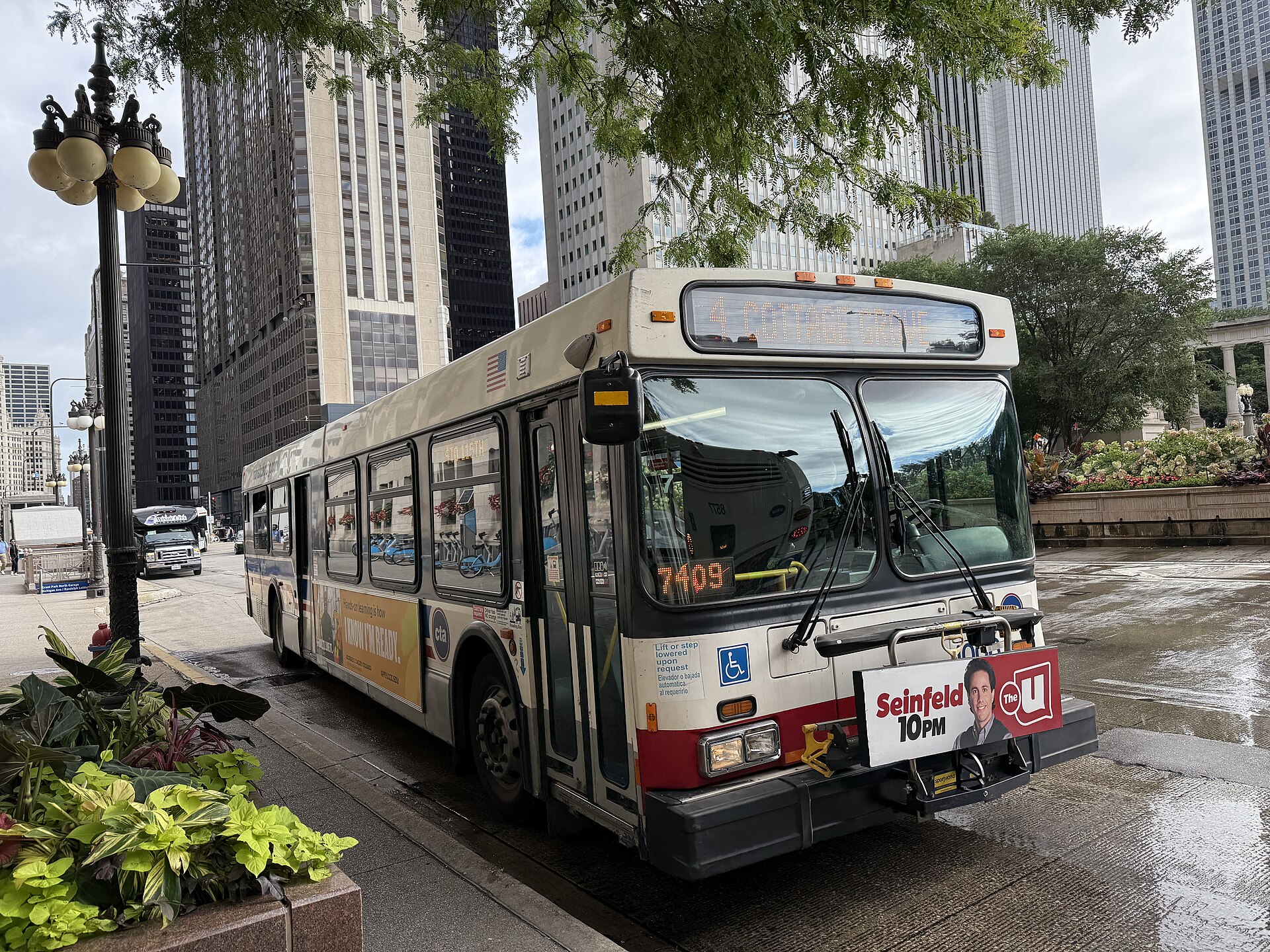
Beyond the rail lines, the CTA is the primary operator of buses in the Chicago area. As of January 2025 it runs roughly 2,000 buses over more than 127 routes traveling some 1,516 miles and serving well over 10,000 posted bus stops. Those buses account for about 638,000 passenger trips each weekday, reaching corners of the city the rail network does not.
The fleet is being refreshed: after New Flyer’s D40LF long dominated the fleet, CTA has moved toward Nova Bus low-floor vehicles, and it was the first major U.S. transit agency to add electric buses to regular service in 2014.
By the numbers
- Founded: April 12, 1945; operations began October 1, 1947
- Rail: 8 lines, ~226 miles of track, 146 stations, ~1,560 train cars
- Bus: ~127 routes, ~2,000 buses, 10,000+ stops
- 2024 total ridership: about 309 million trips; 2025 system-wide ridership exceeded 319 million
- Part of the Northern Illinois Transit Authority (NITA), connecting with Metra and Pace
Between the elevated trains, the citywide bus network, and the 24-hour Blue Line link to O’Hare, the CTA is where the city moves. For visitors and lifelong Chicagoans alike, it is one of the most convenient ways to see and get around the city.