The 14% Isn’t the News: AMD Put AI-Written Circuits Into a Taped-Out Chip
On November 18, OpenAI published a post called Advancing chip design with OpenAI models with a number built to travel: up to 14% improvement in power, performance and area on AMD’s flagship GPU intellectual property, delivered in under five months. Some of the model-written changes, the post said, are already inside a design AMD sent to the factory. The timeline, for a field that measures progress in multi-year nodes, prompted a lot of breathless copying of that one percentage.
The percentage is the least interesting thing in the announcement. What actually happened is that a second production chip company opened its design files to circuits written by a language model, and the reason it felt safe doing that has nothing to do with how clever the model is.
What was actually announced
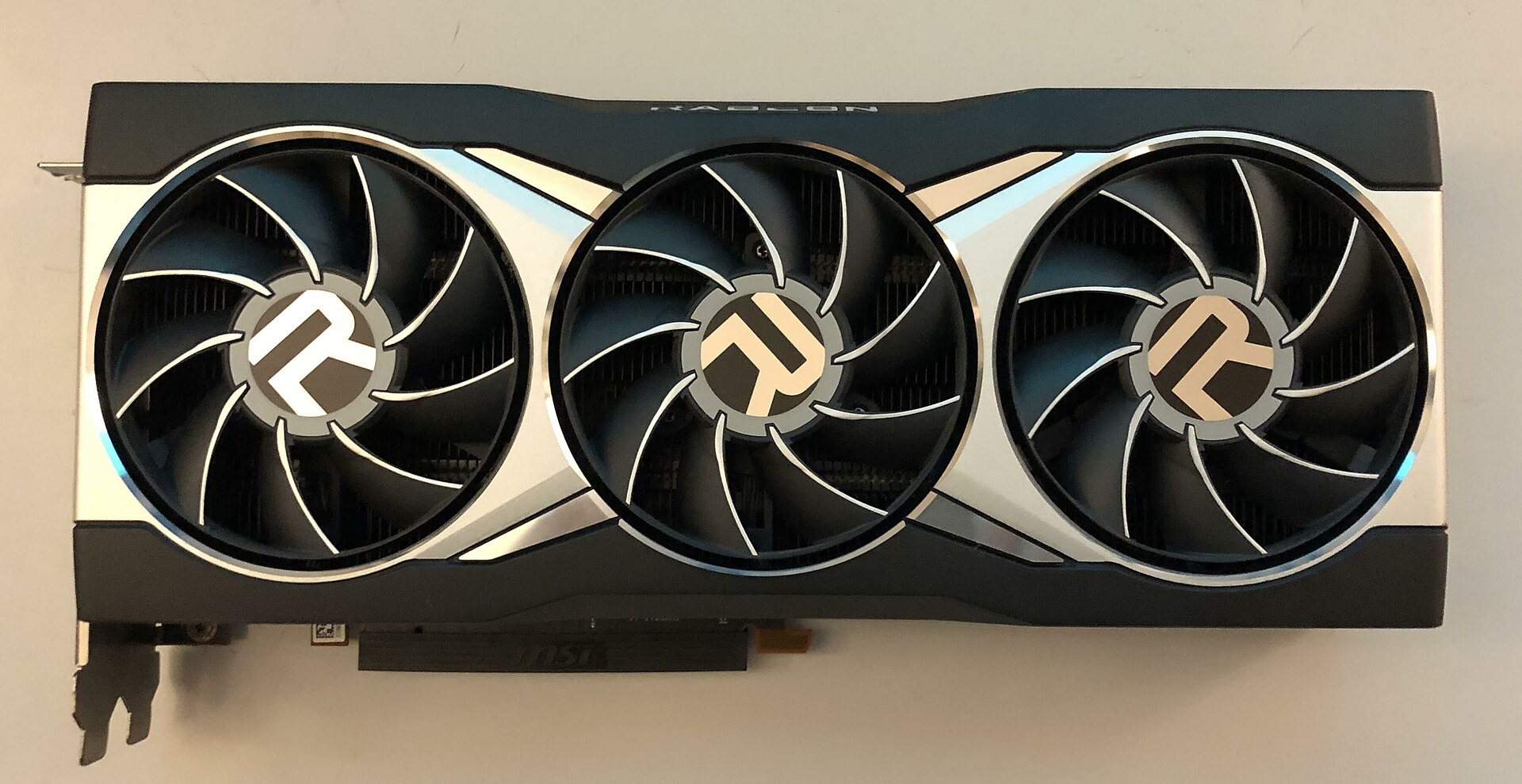
The work is on RTL — register-transfer level, the SystemVerilog code engineers write to describe how a chip’s circuits calculate, move data and assert control signals before any physical layout exists. OpenAI says its models rewrote blocks of AMD’s flagship GPU at that level, on top of designs AMD’s engineers had already spent years optimizing, and reached improvements of up to 14% in the combined power, performance and area metrics. AMD has reportedly placed some of those rewrites in a design that recently completed tape-out — the point where a finished design leaves for manufacturing — and parked others in production files for future chips. Separately, AMD itself verified single-digit percentage gains in key blocks of its upcoming next-generation flagship CPU using model-written designs.
The post also gave a rare honest look at OpenAI’s own silicon. Its first custom inference chip, Jalapeño, built with Broadcom, got model-assisted rewrites of its vector and matrix compute blocks — roughly 13% and 10% reductions in standard-cell area by team estimate, with one multiplier redesign that reportedly shed about 15% of synthesis cell area while halving latency from two clock cycles to one. Unlike the AMD figures, those numbers were silicon-proven during bring-up, meaning someone measured the actual returned chips.
Two supporting details round it out. OpenAI ran a generational capability test of successive models rewriting two open-source RISC-V processor cores — thousands of scored runs, with its newest model topping both cores under simulation — and it disclosed a September agreement with Synopsys to train a model, GPT-Synopsys, to drive the same electronic design automation tools human engineers use, under a multi-year deal that promises customer design data will not be used for training.
What the number does not say
It’s worth being blunt about the soft parts, because the press release does not do it for you. “Up to 14%” is a ceiling on specific blocks, not an average, and OpenAI published no breakdown of how it splits between power, performance and area — and that split is the entire engineering meaning of the result. Saving area at constant performance is a different outcome than buying speed with extra watts. No AMD product was named. “Heavily optimized baseline” is OpenAI’s own characterization, with no disclosure of design stage or measurement corner. A 13% cut in a block’s standard-cell area is not a 13% smaller die; blocks sit in a sea of memory and interface logic nobody touched.
And the headline-friendly “roughly a year of progress in less than five months” is Greg Brockman’s phrasing about schedule, not a measured quantity. Taped out is also not shipping. Nobody has reported measured gains on returned AMD silicon from this collaboration. The CPU figure is stated as AMD-verified, which carries more weight than the GPU claim precisely because a second party checked it — and it is, tellingly, single digits rather than fourteen.
The verification loop is the product
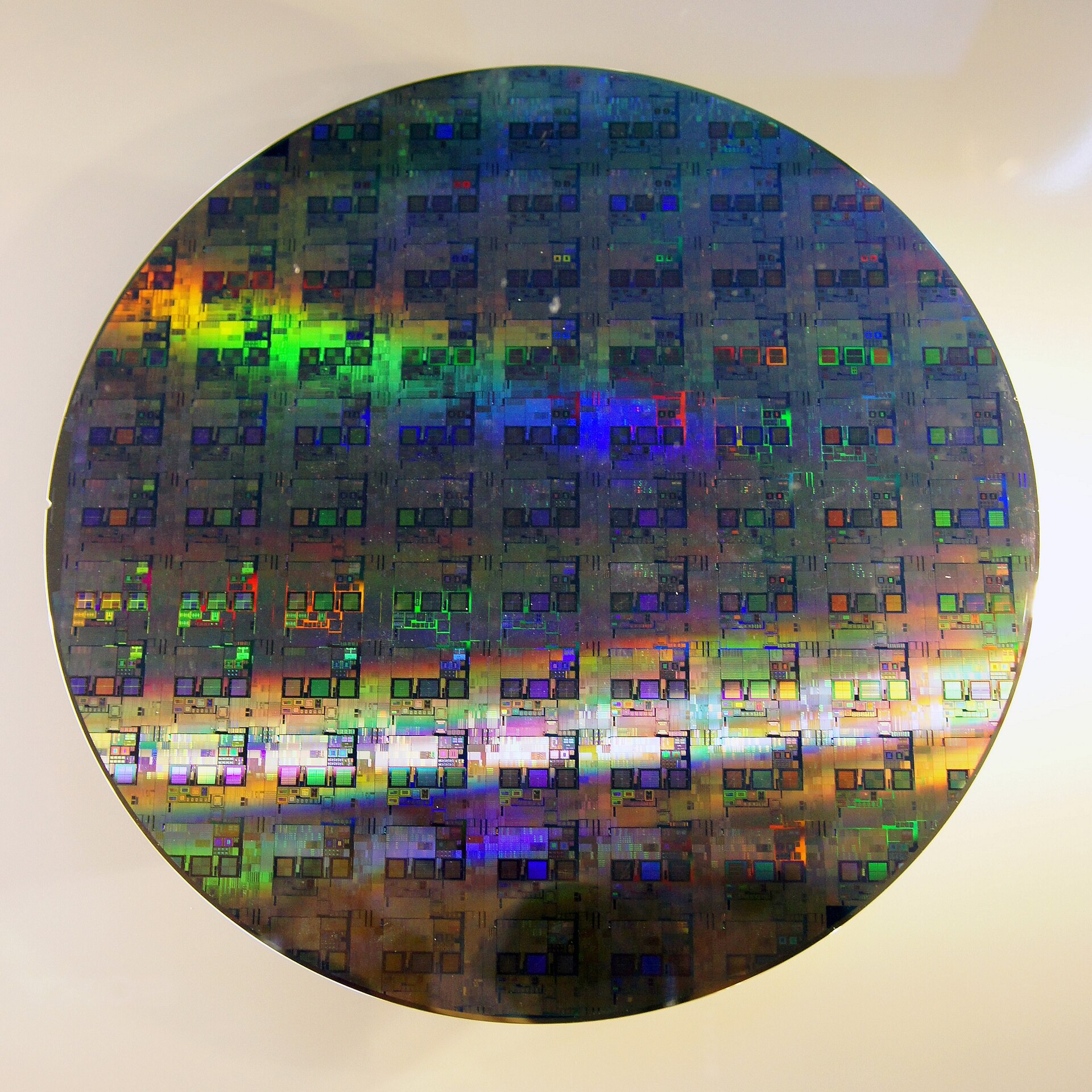
Here is the part worth your attention. The model’s rewrites did not enter AMD’s design files because anyone trusted the model. Each rewrite passed through Synopsys tools that formally checked the rewritten block behaved identically to what it replaced, and scored the trade-offs in power, performance and area. A rewrite that fails the behavioral equivalence check never reaches scoring, no matter how elegant. A rewrite that passes is judged exactly like a human engineer’s proposal: on its evidence.
That inversion — proposer irrelevant, evidence decisive — is how AI output crossed into production here, and it should feel familiar to anyone who ships software. AI-written code became acceptable in engineering organizations not when models got smarter, but when the pipeline got strict enough that tests, review and CI decide what merges and nobody cares who or what authored the diff. Chip design never had that pipeline for generated circuits: plausible LLM-written RTL has been demo-able for years, and NVIDIA was publishing domain-adapted design assistants back in 2023 with ChipNeMo. What’s new in 2026 is not the generation. It is a production organization deciding its equivalence-checking and PPA-scoring process is strong enough to judge machine-written circuits on the same terms as human ones.
What to watch
Three things, in order of honesty. First, returned silicon: when AMD’s taped-out design comes back and someone measures it, the 14% ceiling either earns a real number or quietly disappears from follow-up posts. Second, GPT-Synopsys: an agent that drives the actual EDA toolchain — running synthesis, interpreting results, iterating — is the productization of the whole loop, and the training-data carve-out matters more than the tech demo if you are a chip shop deciding whether to let it near your RTL. Third, the next adopter. Two of the three companies that matter — TSMC’s leading-edge customers being the other leg — now have AI-written blocks in or near production. If Intel says the quiet part out loud at some point this quarter, the category is settled.
The honest summary: AI-designed circuits are in AMD’s production pipeline, which is genuinely historic, and the advertised number is a ceiling on undisclosed blocks with no silicon measurement yet, which is genuinely unproven. Both sentences are true. Only one of them needs a verification loop behind it before anyone merges the code.