Rented Compute Is Now an Export: Washington Closes the Data-Center Loophole
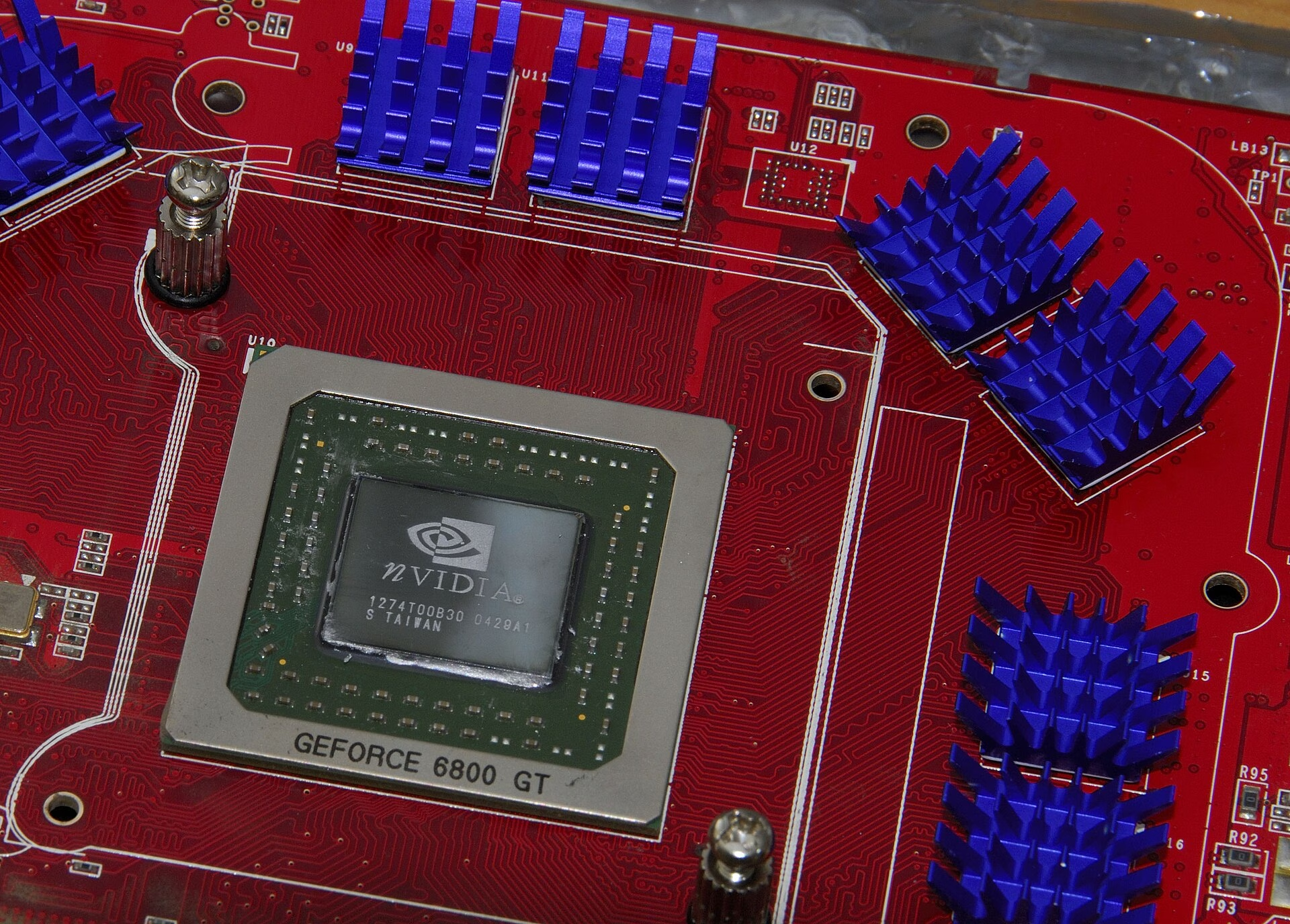
For five years, United States export control has behaved like a customs service. It watched boxes. A pallet of accelerators crossing a border was an export; a foreign company simply renting time on those same accelerators at a data center in a friendly country was, apparently, just cloud computing. On November 16 the Commerce Department quietly admitted what the industry already knew: the boxes were never the point. The compute was the point.
What the rule actually does
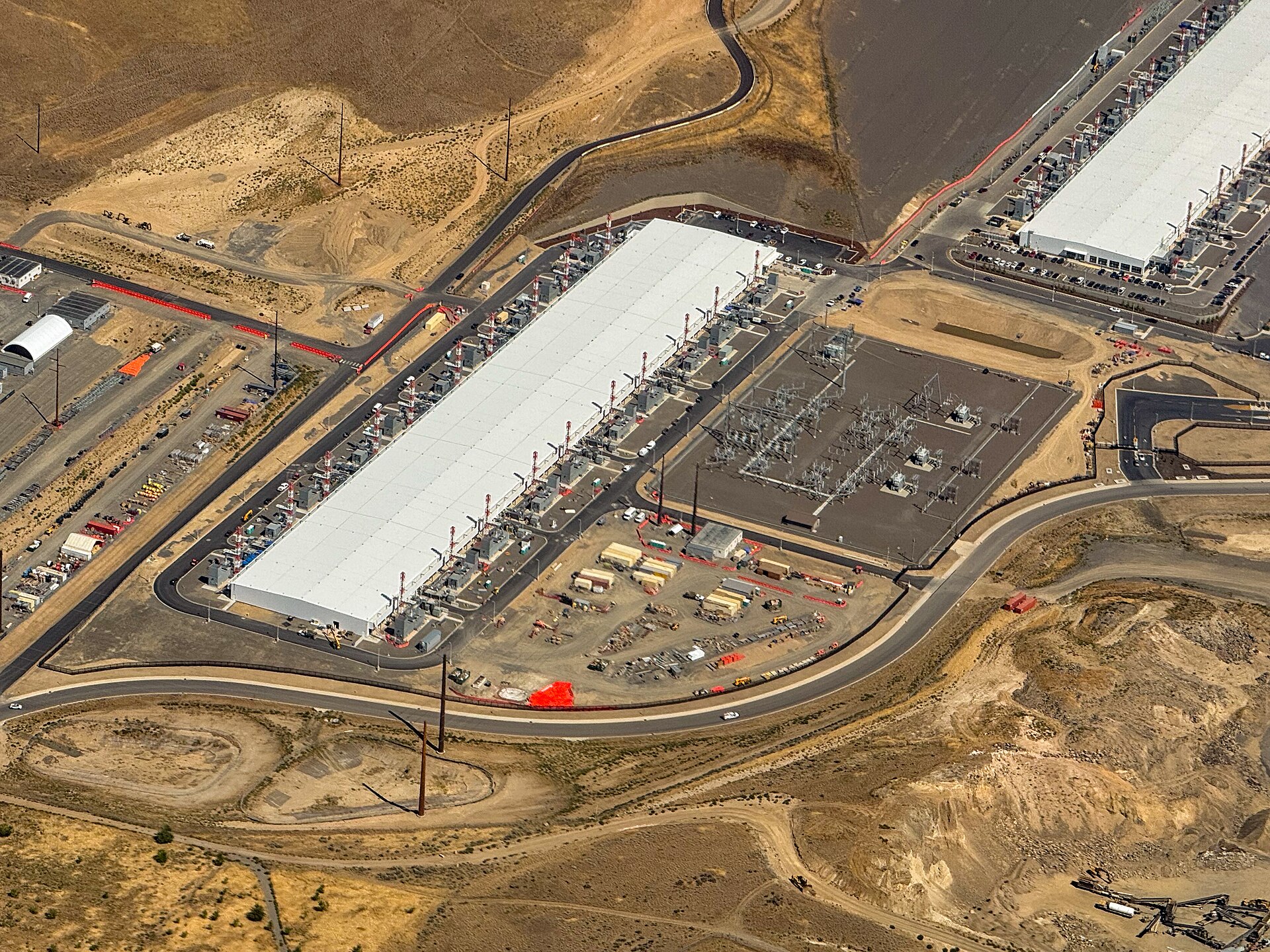
The Bureau of Industry and Security issued an interim final rule — drafted, unusually, at the direction of the Treasury Department and the National Security Council — that treats remote access to advanced American AI chips and servers as something the existing restrictions have to reach. The pressure point is not the sanctioned country itself; you cannot sell China what you cannot sell China. The pressure point is the intermediate: data centers in third countries that were happily renting restricted silicon to Chinese customers over the wire. Commerce named Indonesia, Malaysia, Singapore, Thailand and Brazil as jurisdictions presenting a higher-than-normal risk of diversion.
The mechanism is licensed know-your-customer. Companies headquartered in those countries that move high volumes of advanced chips must now apply for a license and, if granted, run robust due diligence on who is actually renting the compute — then file monthly transaction reports naming every party, its parent company, and the final destination of the chips. The rule takes effect 90 days after it lands in the Federal Register, which gives the data-center industry of five nations roughly a quarter to hire the most unpopular compliance officers on Earth.
Violators face a menu of consequences: new import restrictions, stricter licensing, downgrade in the US export-control regime, or entity-list changes for the company or the whole base country. There is one carve-out worth reading twice: compute exclusively used for commercial recommender systems is excepted. Your cat-video feed is apparently not a national security threat. Your foundation-model training run is.
Why now: the Megaspeed factor
You cannot understand this rule without the story running underneath it, which I covered on November 15 from the market side — Nvidia After Huang. Jensen Huang resigned after admitting an affair with Alice Huang, and Congress is now probing whether she used that relationship to steer her former company, the Singaporean data-center firm Megaspeed, into becoming one of Nvidia’s biggest customers — and then used that position to route restricted chips into China. US investigators have allegedly found that she accessed 240,000 export-banned chips through a series of shell companies. China denies she was a spy, and as of Monday the President did too: “Nobody’s proven that she’s a spy. She may not be a spy.”
The internal fight that produced this rule is visible through the walls. Treasury Secretary Bessent reportedly pushed for curbs on Megaspeed; Commerce Secretary Lutnick, considered too cozy with Nvidia, resisted blacklisting it — a delay Trump defended on Monday because “if you didn’t delay it, you could have a blow-up with China.” The interim final rule reads like the Bessent draft. Whether its enforcement is equally vigorous is the open question; enforcement is, awkwardly, still up to the Commerce Department.
The part nobody wants to say out loud
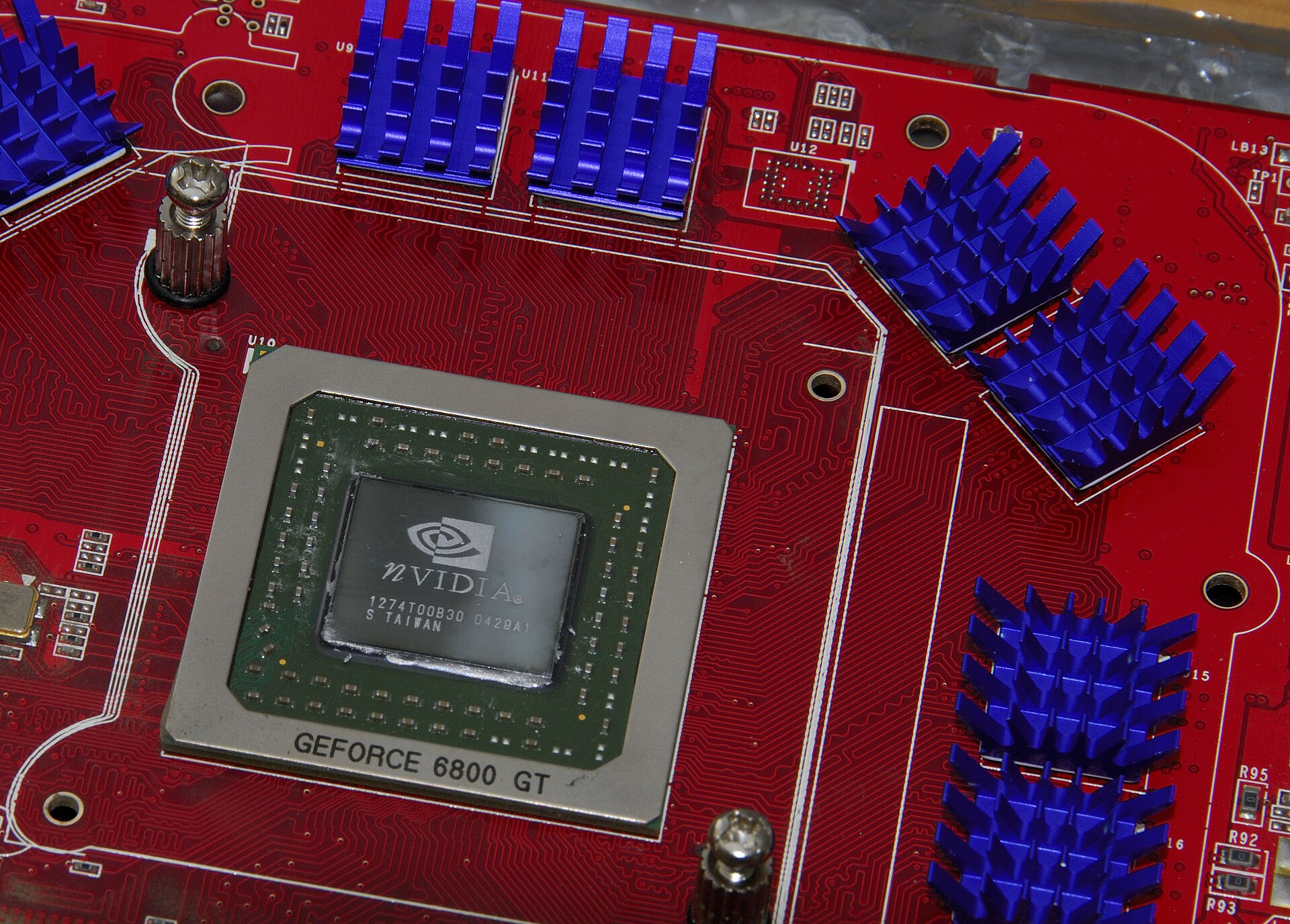
Here is the analytical core: an export-control regime built for shipping crates has to pretend that a lease is a shipment before it can regulate a lease. This rule does exactly that, and it imports the vocabulary of banking — know-your-customer, monthly transaction reporting, parent-company disclosure — into silicon. That is not a small conceptual concession. Once “transfers of advanced chips” includes transfers of access, the next logical extension writes itself, and every cloud provider in the named countries now owes the US government a monthly ledger of who used their GPUs and for what.
There is also a genuine asymmetry working against the rule. A sanctioned country never had the option to refuse your sale; a Singaporean data center retains the option to route around its own compliance department, and the enforcement mechanism is diplomatic pressure applied months after the fact. Commerce says it will “actively monitor” countries that tolerate evasion, which in export-control language means we’ll get back to you.
What to watch
- The 90-day clock. The rule bites 90 days after Federal Register publication. Firms like Megaspeed get that window to obtain licenses or face future restrictions. Watch for a rush of license applications — and for who doesn’t bother filing.
- The summit. Trump is in China this week for an economic summit with Xi. A senior official told the New York Times he “did not expect countermeasures.” China’s official press has been running the opposite message, with Tsinghua’s Sun Chenghao warning that US firms stand to lose “customers and technological influence for years to come” if China accelerates its shift to domestic AI silicon.
- The unintended consequence. The most consistent criticism from both Beijing-aligned and neutral analysts is that tightening rented access locks in Chinese domestic chips in the world’s largest single consumer market for semiconductors. Curbing a customer’s access today is a cheap way to lose them permanently.
The homelab view
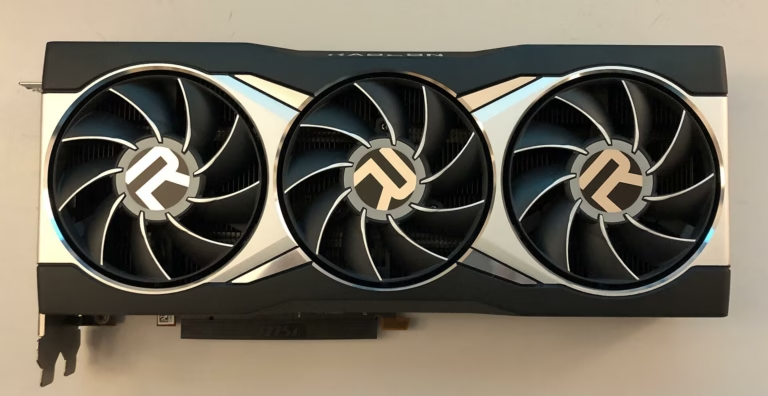
For anyone running models at home, the direct effect of this rule is zero. Nobody at BIS cares about your 4090. The indirect lesson is the one worth keeping: the definition of an export keeps expanding from objects to capabilities, from crates to credentials. If renting compute became a shipment, your willingness to rent compute is a compliance question you will eventually be asked about in writing — and the monthly-report template is already drafted.
The customs-service era of export control is over. The license-desk era started Monday. The data centers of five countries just found out they are in the export business, whether or not they ever touched a shipping container.