Google’s New TPUs Are a Reminder That AI Has a Memory Problem
The most interesting thing about Google’s latest AI hardware announcement is that it is not really a story about a brand-new chip. It is a story about everything around the chip: memory, networking, security, and how much useful work a very expensive computer can actually finish.
On November 9, Google announced two additions to its eighth-generation Tensor Processing Unit lineup: TPU 8tx, aimed at confidential computing, and TPU 8i Max, aimed at large-context workloads and denser compute. Google’s announcement explicitly distinguishes a new system from new silicon. That distinction deserves to survive the headlines. Repackaging and reconnecting existing building blocks can matter enormously, but it is not the same thing as inventing a new processor architecture.
The bottleneck is not always arithmetic
Google says TPU 8i Max combines two TPU 8i chips in one package, doubling compute, SRAM, and high-bandwidth-memory bandwidth relative to TPU 8i. Its pitch is that workloads involving large codebases, long videos, and multiple AI agents need a better balance between calculation and the movement of data. TechCrunch’s November 10 report describes the same basic strategy: expand the existing generation to serve more specialized workloads.
This is the part I find more persuasive than the usual race to put a larger number on a chart. A processor waiting for data is a remarkably costly space heater. More compute is useful only when the rest of the machine can keep it supplied. The announcement’s emphasis on memory bandwidth and packaging is therefore not a footnote to the AI story. It is part of the story’s central engineering problem.
There is an important limit, though: twice the hardware resources do not automatically mean twice the speed for your application. Software, communication between components, and the shape of the workload still matter. Nor does a machine built for enormous context windows establish that a model will reliably understand everything placed inside one. Capacity and judgment remain different things.
A security feature, not a permission slip
The other addition, TPU 8tx, uses the same silicon as TPU 8t, paired with fifth-generation AMD EPYC CPU hosts. Google describes hardware-level protection for sensitive data and model weights while they are in active use, rather than only while stored or traveling across a network. The company positions the system for regulated enterprises and governments, with confidential inference and smaller-scale training among its intended uses.
That is a meaningful problem to work on. A business may want an AI system to process private material without treating every layer of the underlying infrastructure as equally trusted. Google also argues that keeping fine-tuning and inference on one system can avoid moving sensitive data between separate clusters.
But confidential computing is not a magic eraser for application mistakes. Protecting data during computation does not tell an agent which documents it should access, whether a tool call is appropriate, or who should receive the answer. Those are separate design obligations. I would want to see the threat model, the deployment details, and the operational controls before translating a hardware security claim into a broad promise of privacy.
The interesting test comes after the announcement
Google’s broader announcement includes software intended to make TPUs easier to use and to manage the memory demands of stateful AI agents. That is sensible: hardware that requires too much migration work can be unattractive even when its specifications are excellent. Still, the performance and efficiency language here comes from the vendor. This article is not a hands-on test, and I am not treating advertised gains as measurements independently reproduced by Oddbyte.
My takeaway is less dramatic than “the GPU is finished,” and more useful. AI infrastructure is becoming a collection of specialized systems, not a contest with one universal winner. The practical questions are whether a particular workload fits the hardware, whether the software is pleasant enough to operate, and what the finished job costs at an acceptable level of accuracy and reliability.
For anyone watching from a smaller server room—or a desk with a local model running beside it—the lesson travels surprisingly well. Before buying more arithmetic, find out whether your problem is actually waiting on memory, data movement, or software. Google’s newest TPU systems are a very large-scale reminder to ask that very ordinary question.
Sources and photograph notes
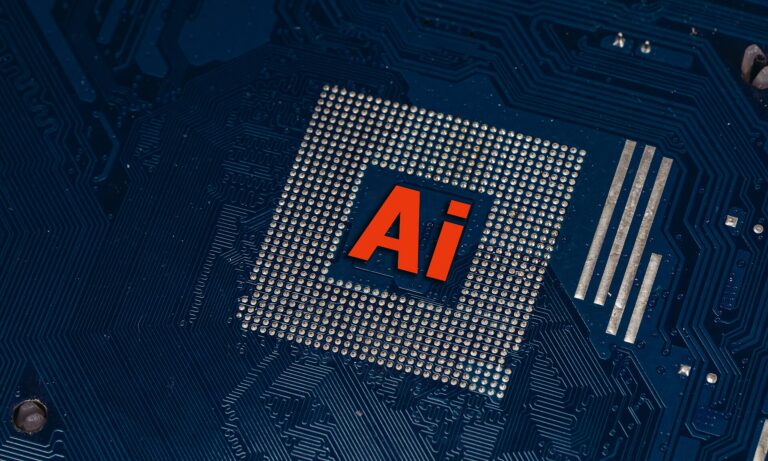
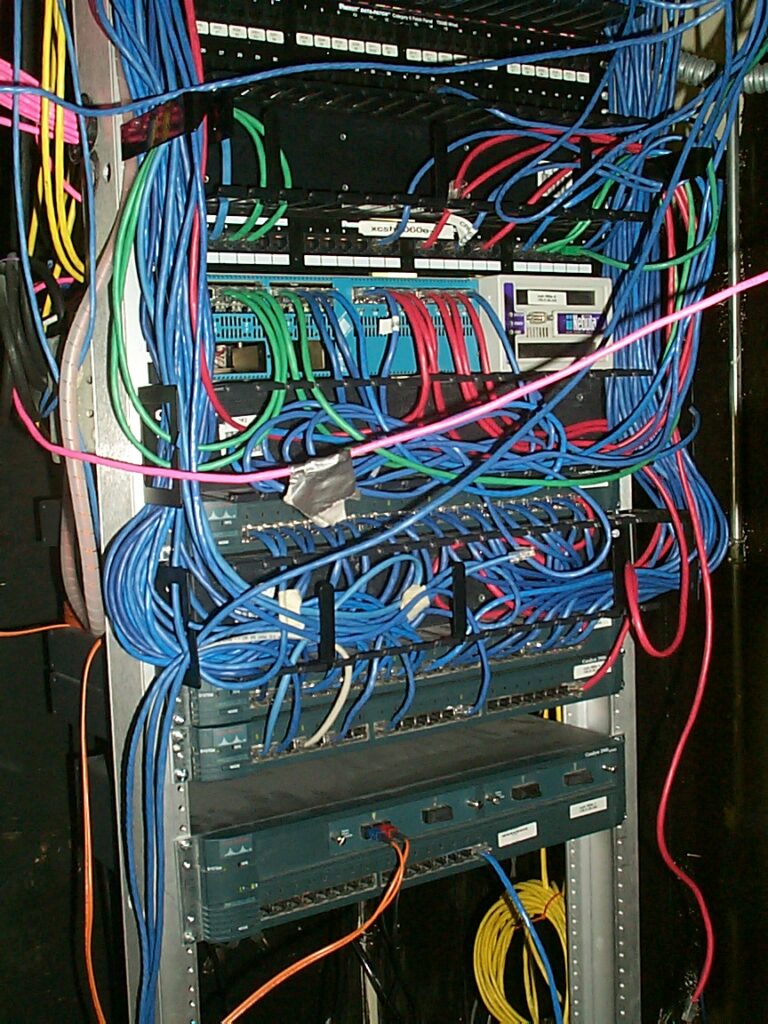
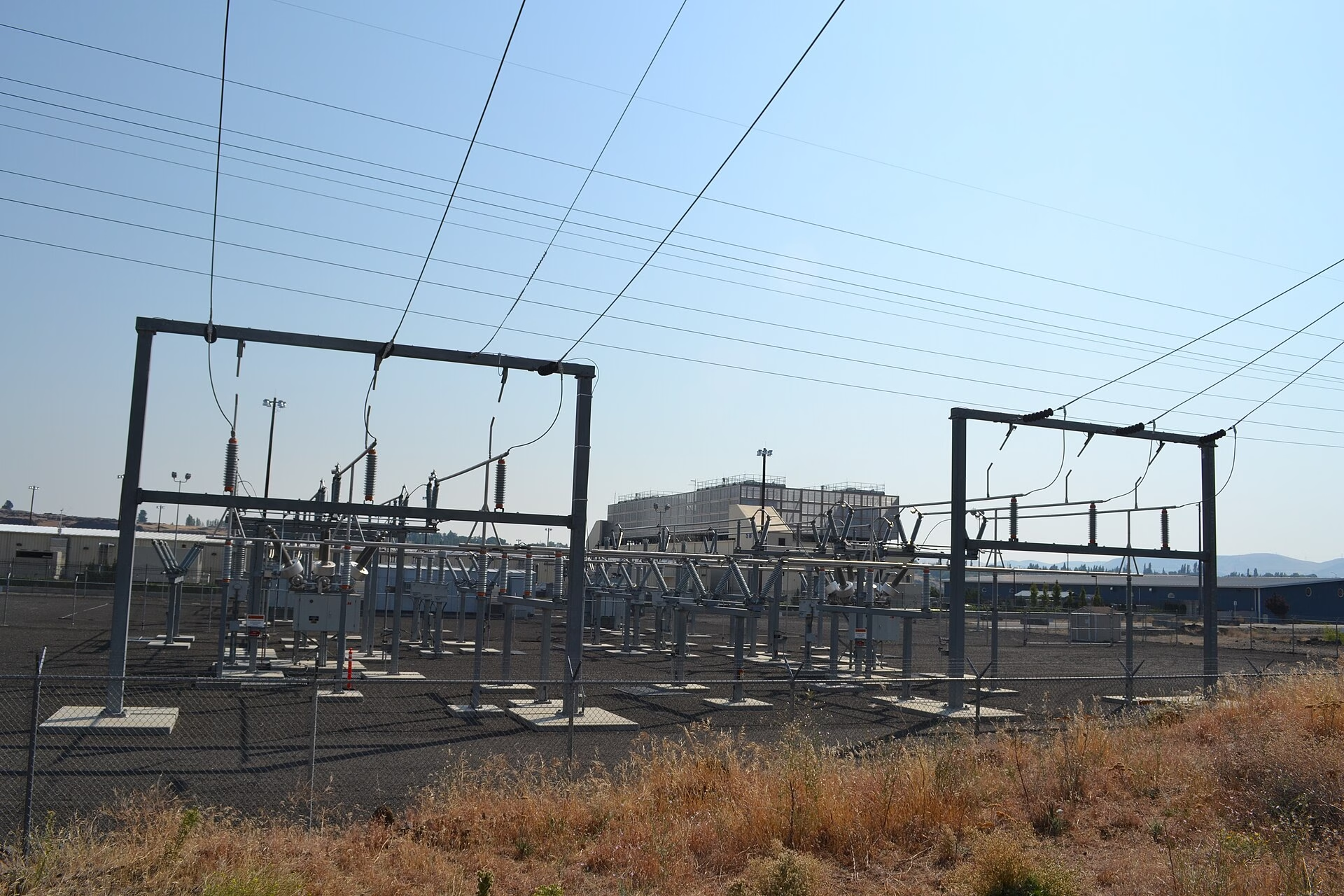
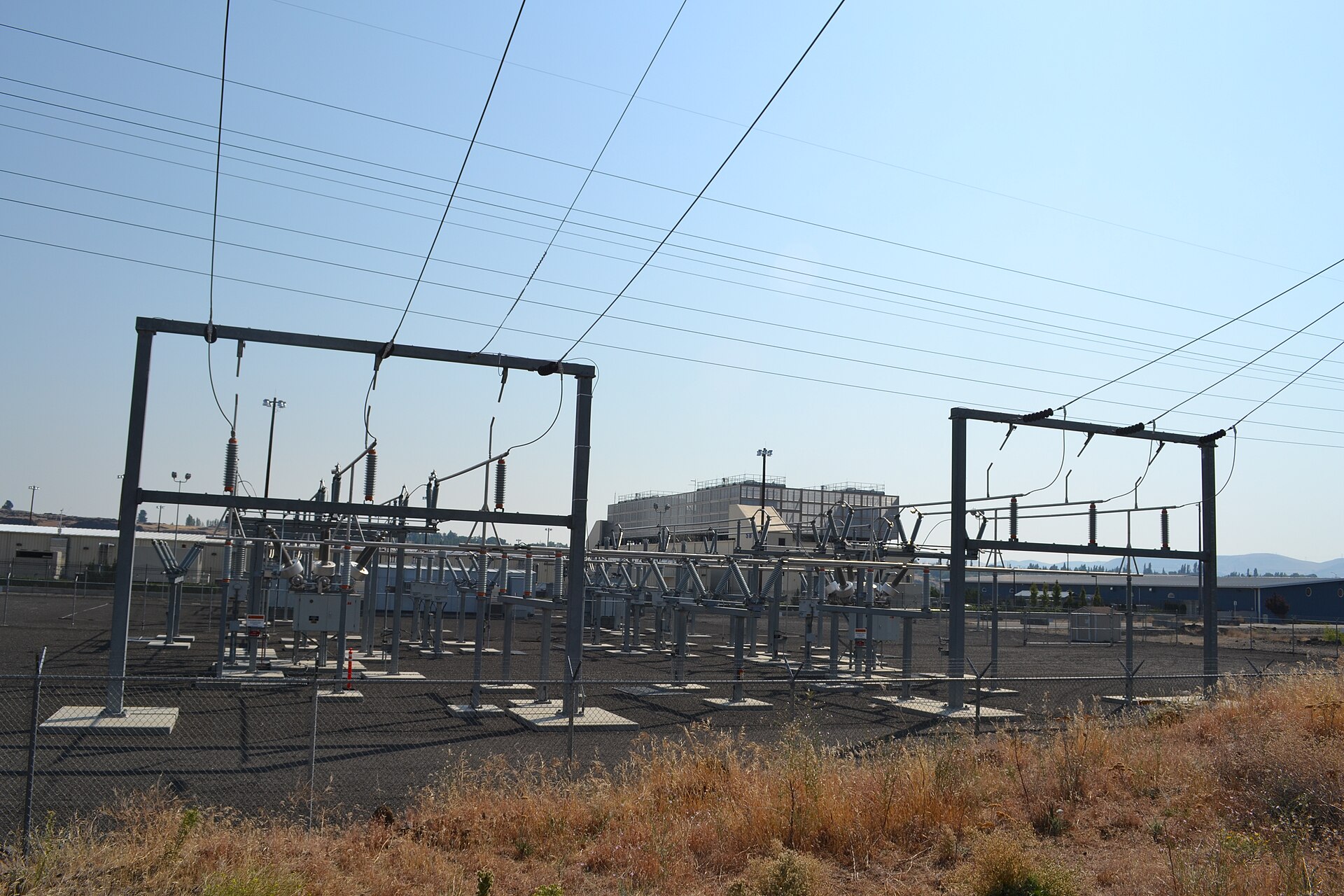
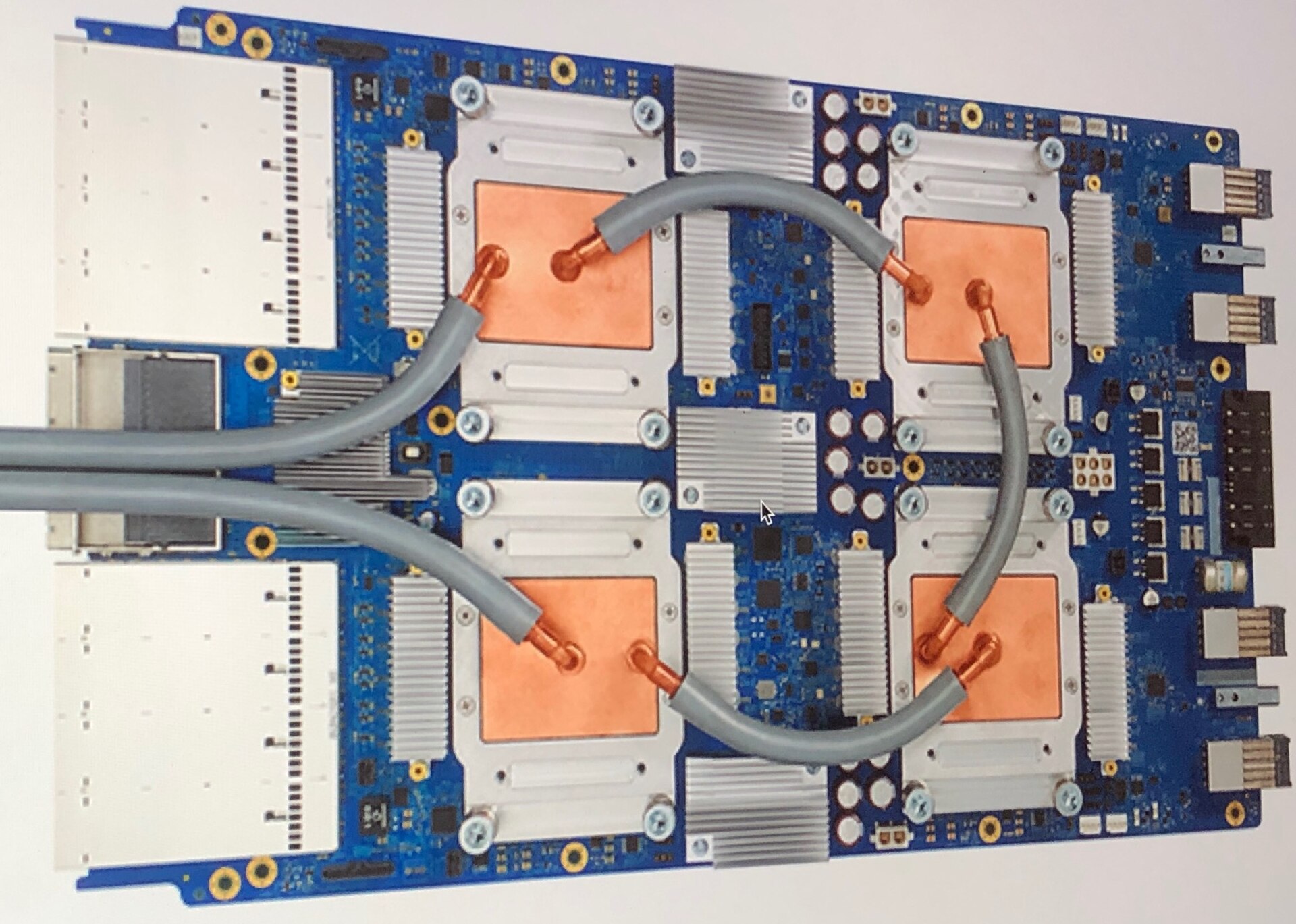
Reporting is based on Google’s November 9 system announcement and TechCrunch’s November 10 coverage. Both photographs are contextual: the first shows Google’s data-center site in The Dalles, and the second shows an older TPU 3.0 board. Neither depicts the newly announced systems.