
The Pros of Using Catnip to Attract a Cat
You have a cat you want somewhere specific — down the hall, into a carrier, past the vet’s front door, or simply off the counter — and a single, unmissable tool already exists for it. Catnip. It’s one of the cheapest, safest, and most consistently theatrical tricks in the fiddler’s bag. Here is the case for it.

Why it actually works
Catnip’s active compound, nepetalactone, is a volatile plant terpene that cats detect through their vomeronasal organs — the same system that flags pheromones. For most adult cats it is an irresistible call: they rub, roll, and chase a source. It is not food, not a treat, and not something they can ignore when they want it.
The actual pros
- Reliable recall. A wafer of strong catnip is one of the few lures that pulls a shy cat out of hiding, a wary new houseguest into the living room, or a carrier-shredder into the carrier. The lure does the walking.
- Safe and non-toxic. Catnip is not toxic to cats, and no cat has ever overdosed on it. The dose would have to be absurd for it to do that.
- Vet-trip enabler. Grooming, nail trims, transport — all of them are easier when the cat is already chasing you toward the door instead of hunting a place in the house with zero exits.
- Calming by-product. The high is short, but while it lasts the cat is more likely to be in a relaxed, low-stimulation state. Good for handling, and for getting a stressed animal through a vet visit.
- Cheap compared to food-based lures. A small bag of dried catnip lasts months. A bag of wet food you are using as a lure for one purpose does not.
- Play and engagement. Catnip toys get a cat that has been sitting in the corner for an hour into actually doing things. Good for enrichment, for a bored cat, for a post-surgery cat that needs gentle movement.
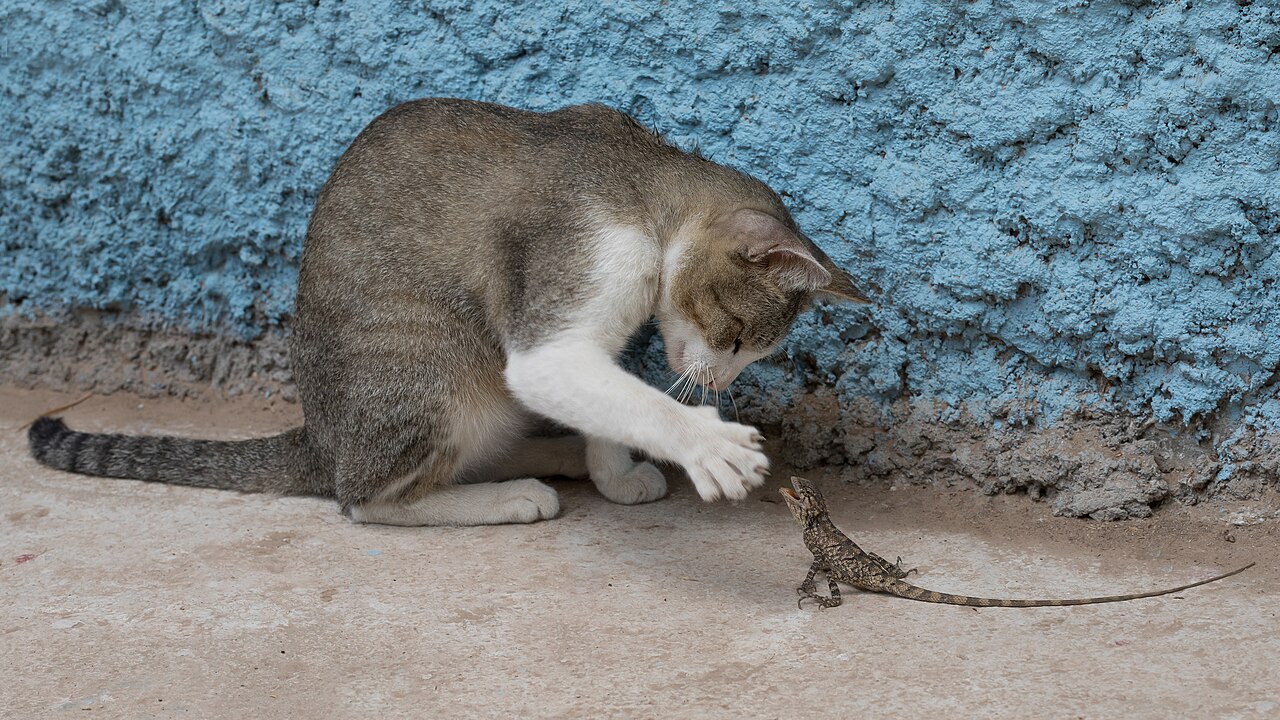
What a reaction looks like

The fine print
- Kittens under six months do not respond. The response is age-gated. A cat has to be old enough for it to register.
- Genetics matter. Roughly 30–50% of cats do not respond at all. The response is a trait, and if the cat did not inherit it, no amount of catnip changes that. Do not take it personally if a cat sniffs and walks away unchanged.
- Overuse desensitizes. Cats that see catnip daily lose the effect. It is a tool, not a meal. Use it for the moment it is needed and it keeps its pull.
- Some cats react the opposite way. A small share that do respond get agitated or hyper instead of relaxed. That is individual chemistry, and worth knowing about the cat you have.
- Storage. Keep it away from kids and other pets. It is not toxic, but it is mildly psychoactive for cats, and you do not want a toddler version of the same experience.
- One dose, one job. The best use is as a tool for a specific task — a lure, a vet-trip enabler, a training aid — not as a daily background. Used that way it keeps being useful.
Bottom line
Catnip is the cheapest, safest, most reliable recall tool you can keep in the house. Use it for the moment it earns its keep, not as a habit — and for the cats that respond, it gets you where food or a treat bag cannot.