Halloween: From Celtic Bonfires to Candy Bags
Every October, the world transforms into a landscape of orange gourds, spooky masks, and an insatiable demand for chocolate. But Halloween is more than just a candy-fueled frenzy for children; it is a complex cultural layer cake with roots stretching back over two millennia.
The Ancient Roots: Samhain
Halloween’s origins lie in the ancient Celtic festival of Samhain (pronounced SOW-ain), celebrated in Ireland and other Celtic regions. For the Celts, November 1st marked the New Year—the transition from the “light” half of the year to the “dark” half. They believed that on the night of October 31st, the boundary between the living and the dead grew thin, allowing spirits to cross over into our world.
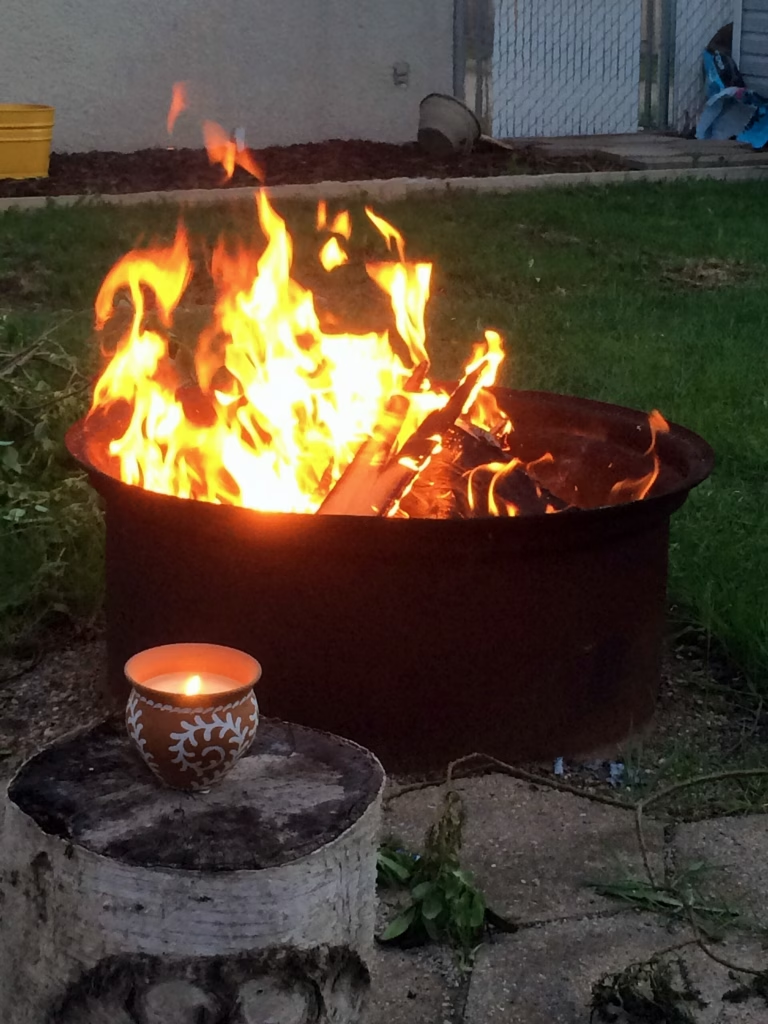
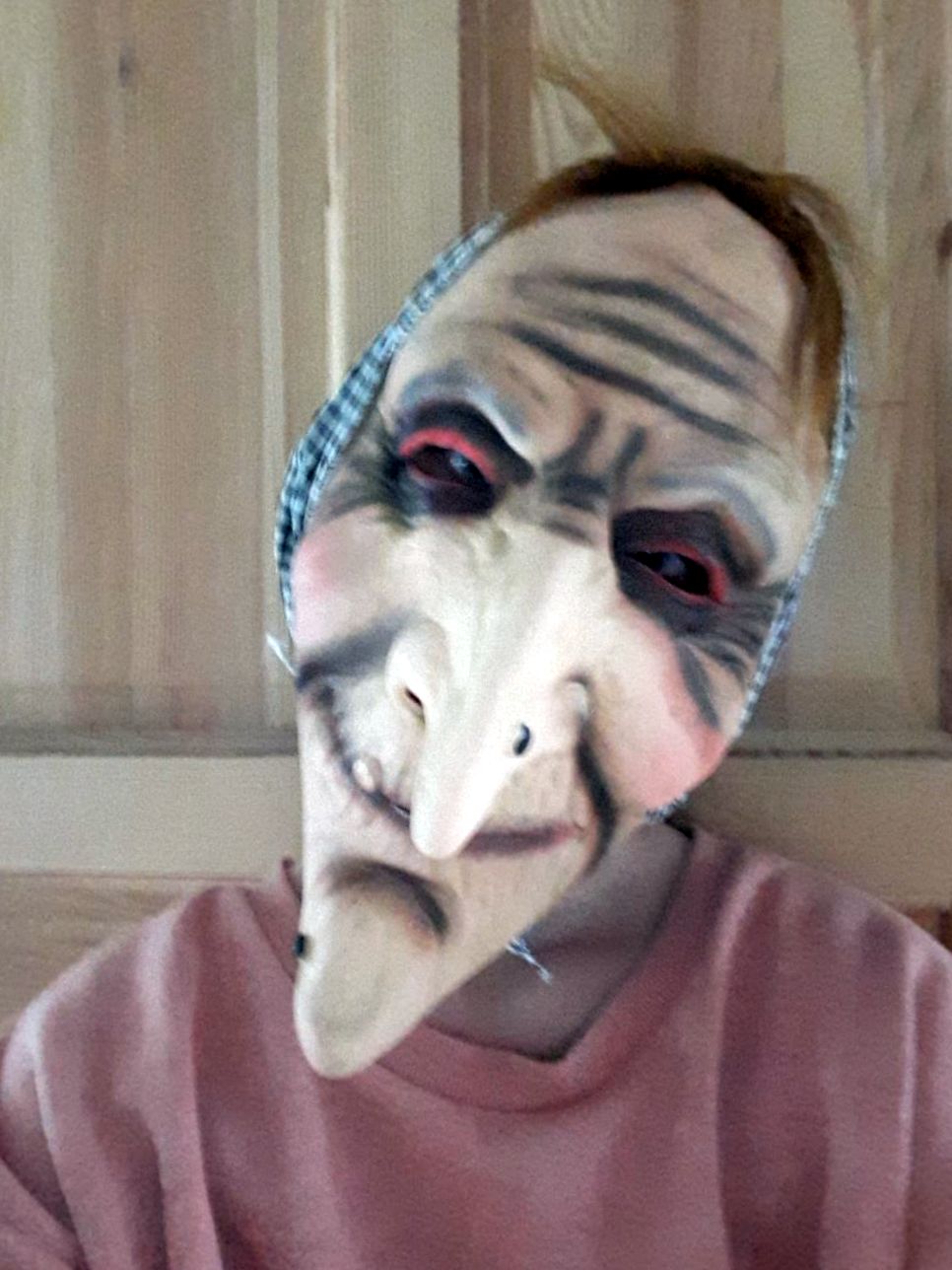
To ward off these malevolent spirits or to appease them, people lit massive bonfires and wore costumes—often animal skins or masks—to disguise themselves so that wandering ghosts would mistake them for fellow spirits.
The Great Blend: All Hallows’ Eve
As Christianity spread across Europe, the Church sought to integrate existing pagan customs. In the 7th century, Pope Boniface IV designated May 13th as All Saints’ Day, but Pope Gregory III later moved it to November 1st. The evening before this holy day became known as All Hallows’ Eve, which eventually contracted into the word “Halloween.”
The holiday evolved from a serious religious observance into a more secular celebration. In medieval England, the custom of “souling” emerged, where poor people would go door-to-door offering prayers for the dead in exchange for small cakes called “soul cakes.”
Evolution of the Rituals
Many of the modern staples of Halloween are evolutions of these older traditions:
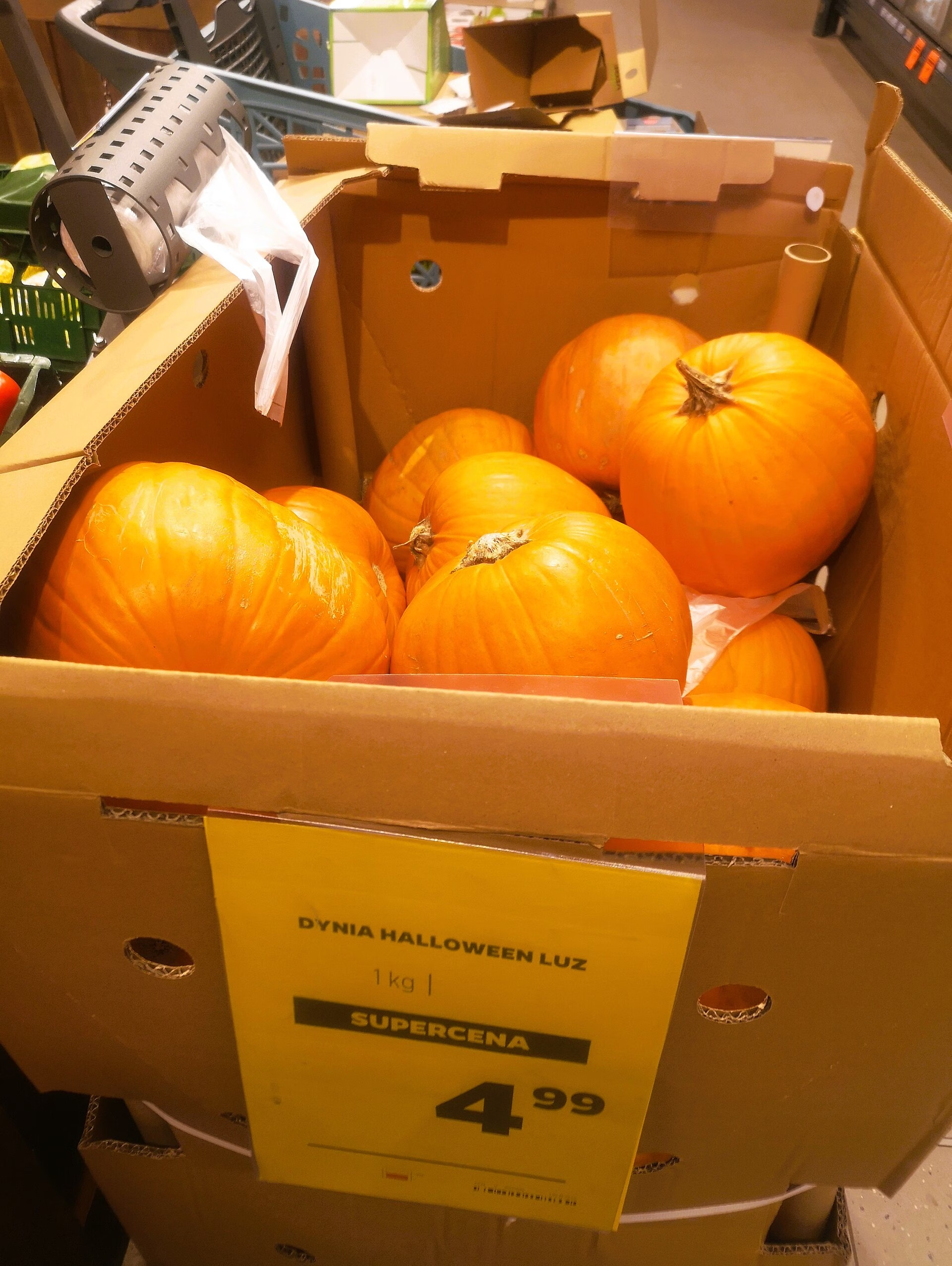
- The Jack-o’-Lantern: The tradition of carving faces into vegetables comes from Ireland, where people originally used turnips. When Irish immigrants arrived in North America in the 19th century, they discovered that pumpkins were native, far larger, and much easier to carve.
- Trick-or-Treating: This evolved from the old Celtic and medieval customs of “guising” or “souling.” By the mid-20th century, particularly in the United States, it shifted from offering poems or songs in exchange for food to the modern candy-centric neighborhood ritual we know today.
A Global Phenomenon
Though it remains a cornerstone of North American culture, Halloween has expanded globally. From the Dia de los Muertos in Mexico to themed carnivals in Asia, the theme of honoring the dead and embracing the supernatural continues to resonate. Whether it’s a high-budget costume party or a simple carved pumpkin on a porch, Halloween remains a unique intersection of ancient mysticism and modern play.