The Touchscreen Revolution: Apple’s M6 and PROLED XDR Era Begins
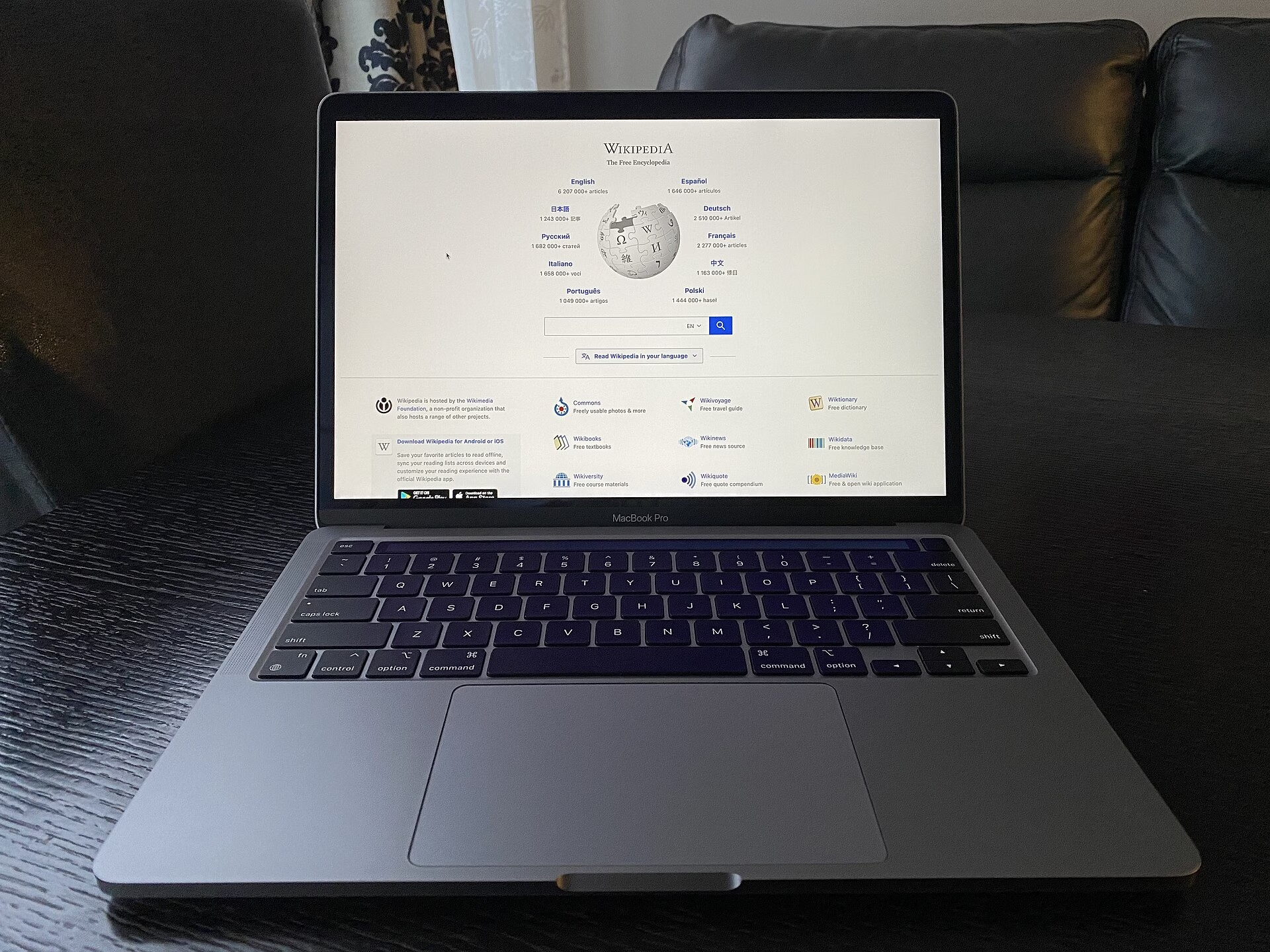
The tech world has been quiet, but the “Pro and Tell” announcement has shattered that silence, marking a definitive turning point in the evolution of the MacBook Pro. Apple has unveiled a machine that doesn’t just iterate on existing hardware; it fundamentally reimagines the interaction between the professional and the workstation. At the heart of this transformation is a historic shift: the introduction of touch-enabled MacBook Pros.
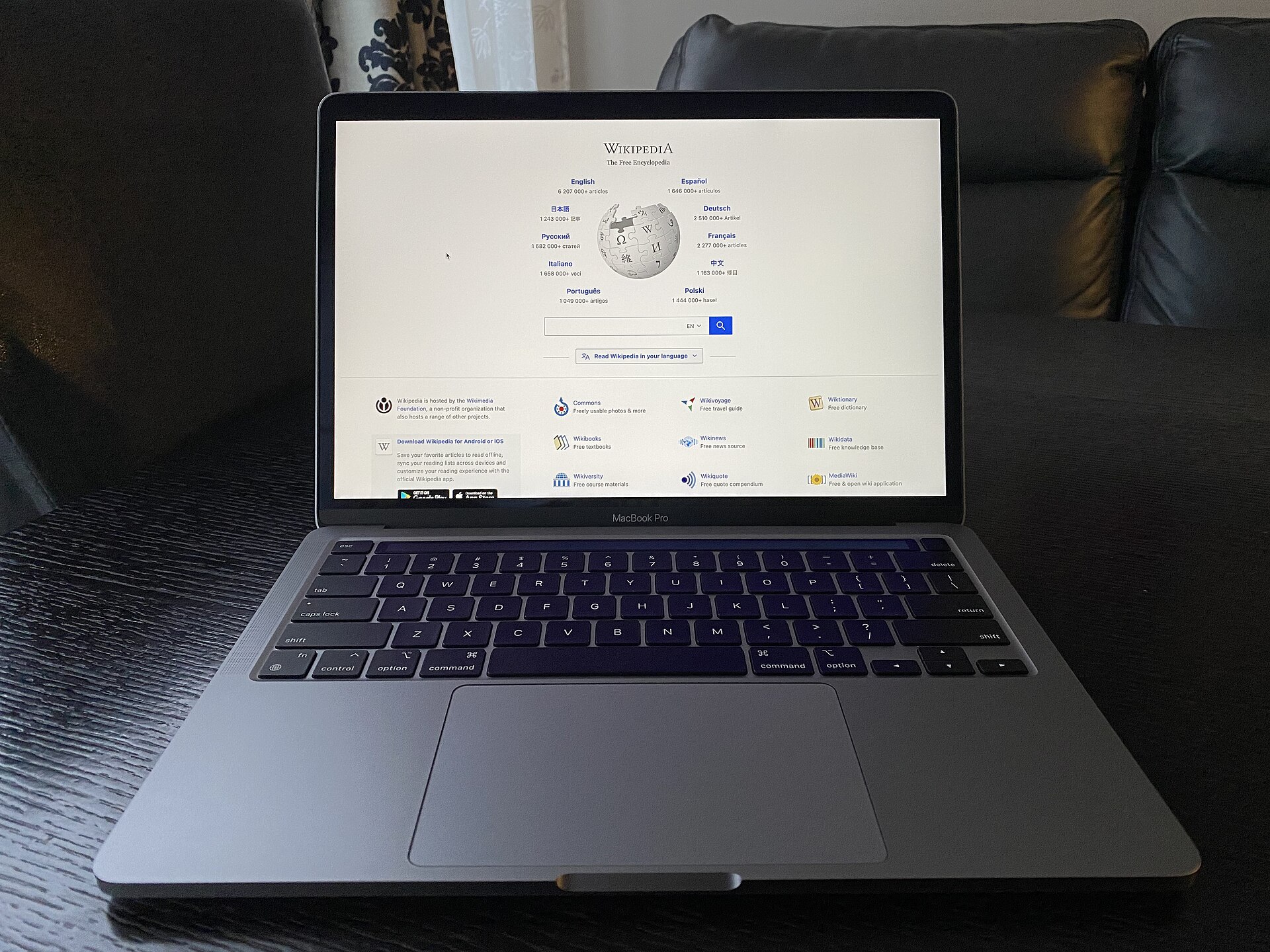
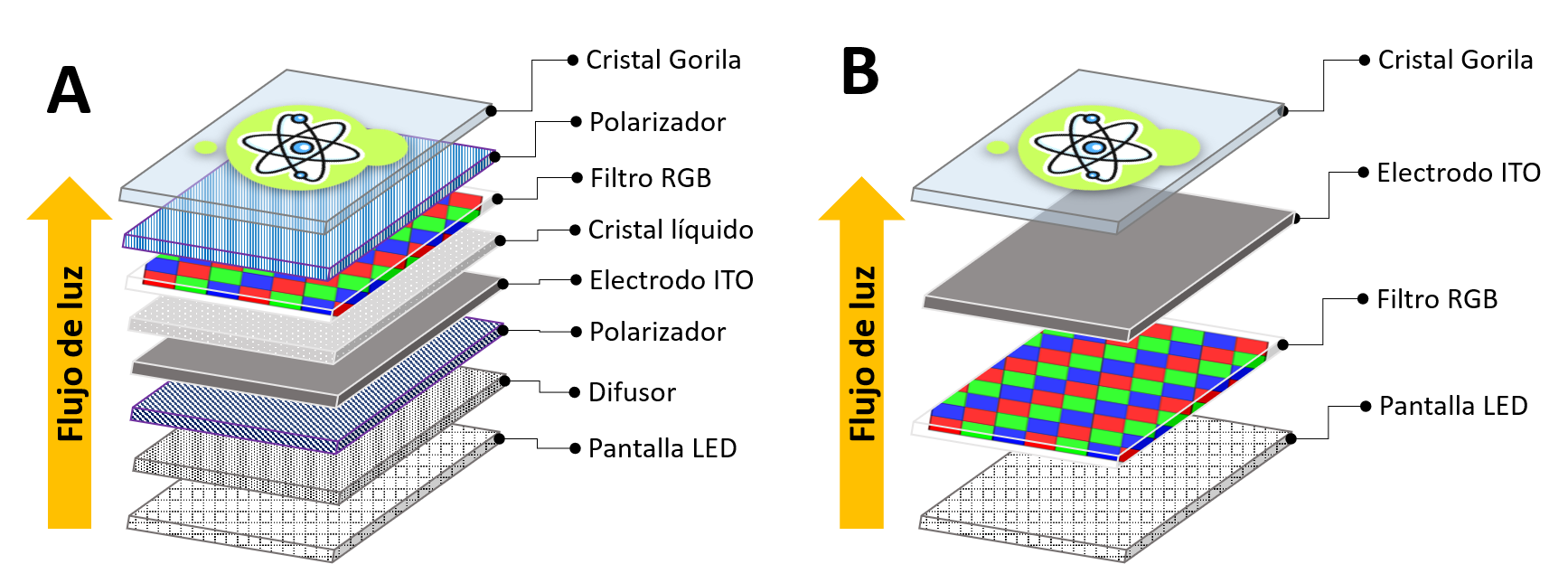
The centerpiece of this revolution is the PROLED XDR display. Moving away from the mini-LED architecture of previous generations, Apple has embraced Tandem OLED technology. By utilizing two layers of organic light-emitting diodes, the PROLED XDR achieves a level of performance previously reserved for high-end television panels. The result is near-infinite contrast, perfect blacks, and a significant leap in peak brightness—with reports suggesting levels as high as 2000 nits.
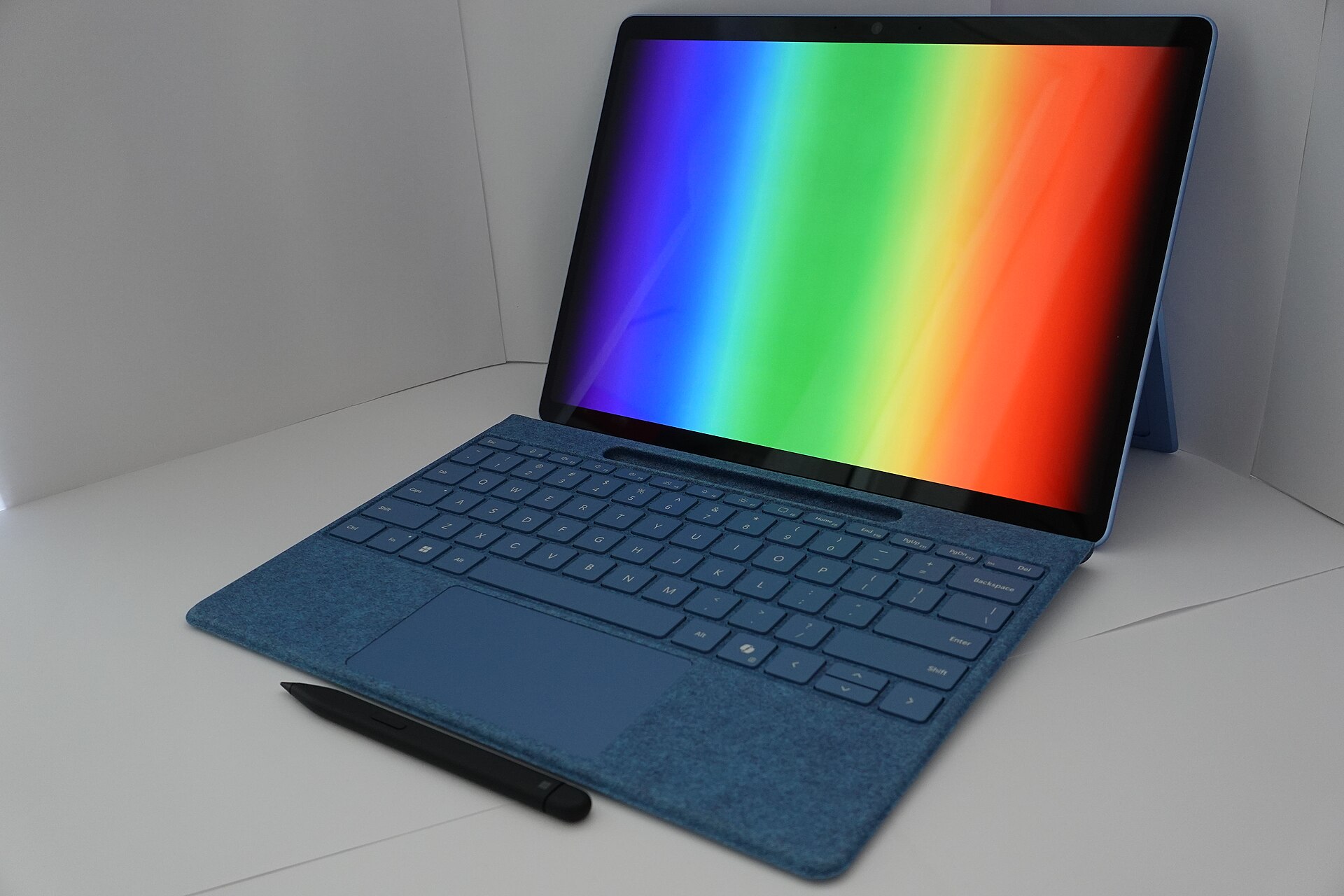
However, the true disruption lies in how we interact with that display. By integrating a touchscreen into the MacBook Pro, Apple is finally bridging the gap between the iPad Pro and the MacBook Pro. This isn’t just a novelty for casual browsing; it is a fundamental shift for designers, artists, and power users who require direct manipulation of their work. The touch interface allows for a more tactile, intuitive workflow that complements the precision of the Mac’s professional software suite.
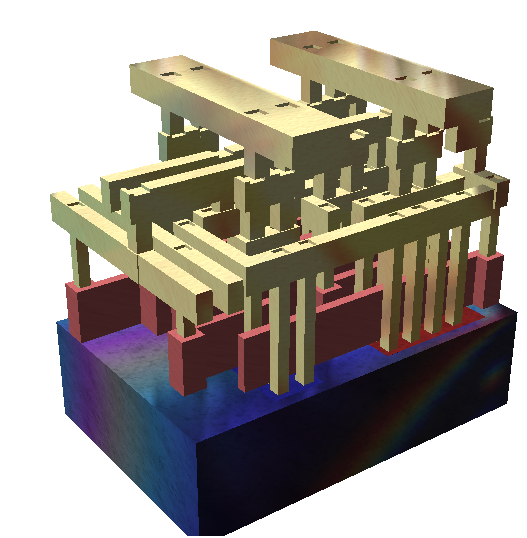
Powering this visual revolution is a monumental leap in silicon architecture. The standard M6 chip transitions to a cutting-edge 2nm manufacturing process, featuring a 12-core CPU (comprising 2 super, 4 performance, and 6 efficiency cores) and a 12-core GPU. For those demanding the absolute ceiling of performance, the high-end PROLED XDR models are paired with the M5 Pro and M5 Max architectures. These premium chips are engineered to handle the most grueling creative workflows while delivering a massive jump in Neural Engine performance for on-device AI workloads.
Connectivity has seen a simultaneous overhaul to ensure these machines remain at the forefront of the modern workspace. The new lineup supports Wi-Fi 7 and Bluetooth 6, while the premium models introduce support for Thunderbolt 5.
For those looking to navigate this new era, the choice depends on the specific demands of the craft. The standard M6 MacBook Pro remains the enthusiast’s choice, offering pure performance and exceptional value. Meanwhile, the PROLED XDR MacBook Pro stands as the “Pro’s Dream”—a machine for those who require the absolute pinnacle of display technology and the intuitive fluidity of a touch interface. This may well be the most significant update to the Mac in a decade.