Artemis and the Lunar Gateway: A Pragmatic Pivot to the Moon
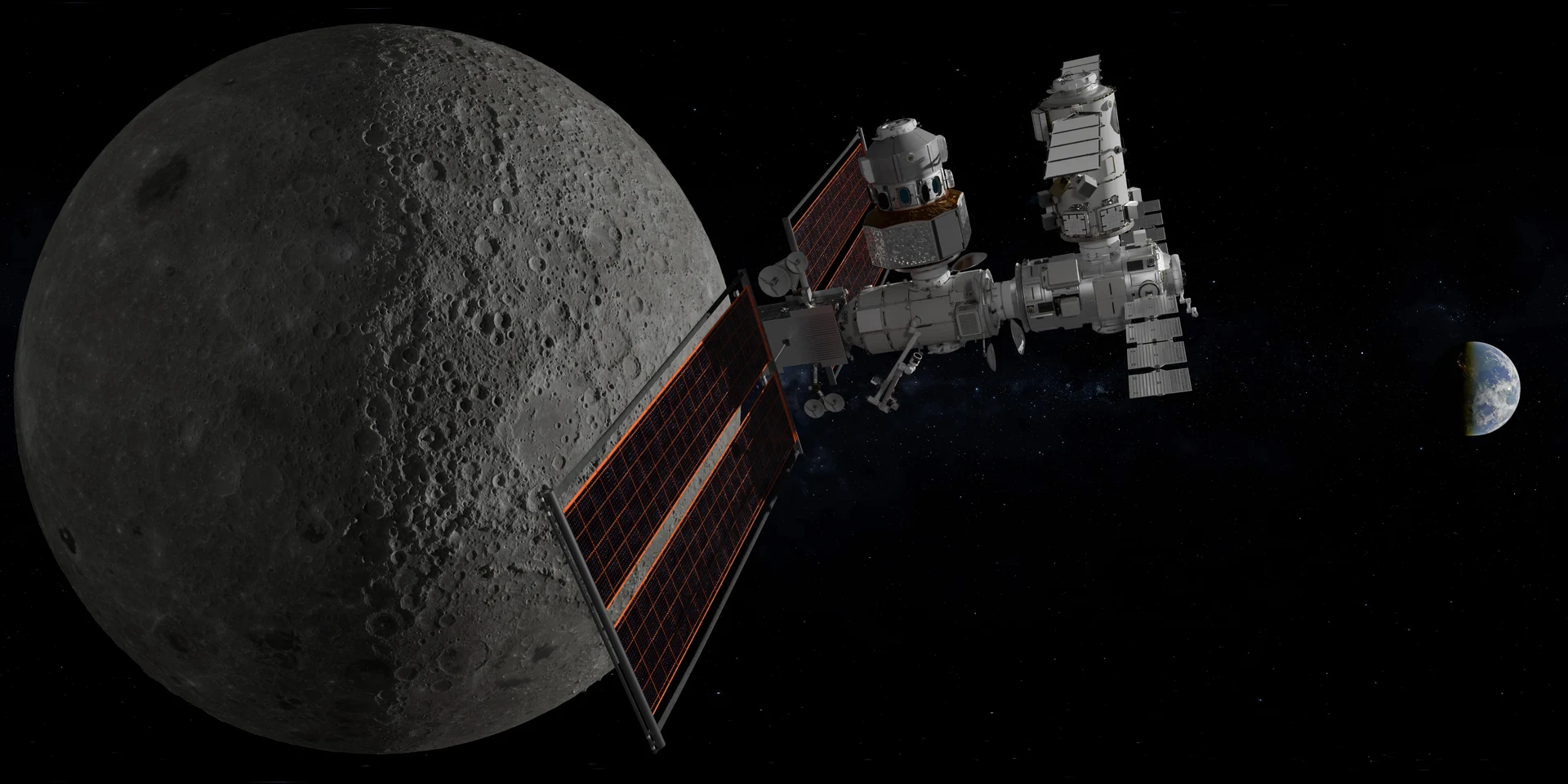
For years, the vision of humanity’s return to the Moon was anchored by a specific architectural piece: the Lunar Gateway. A modular station orbiting the Moon, it was designed to be the essential staging post for astronauts descending to the lunar surface. However, as of late 2026, the blueprint for lunar exploration has undergone a significant and pragmatic pivot.
Artemis II: The First Step Completed
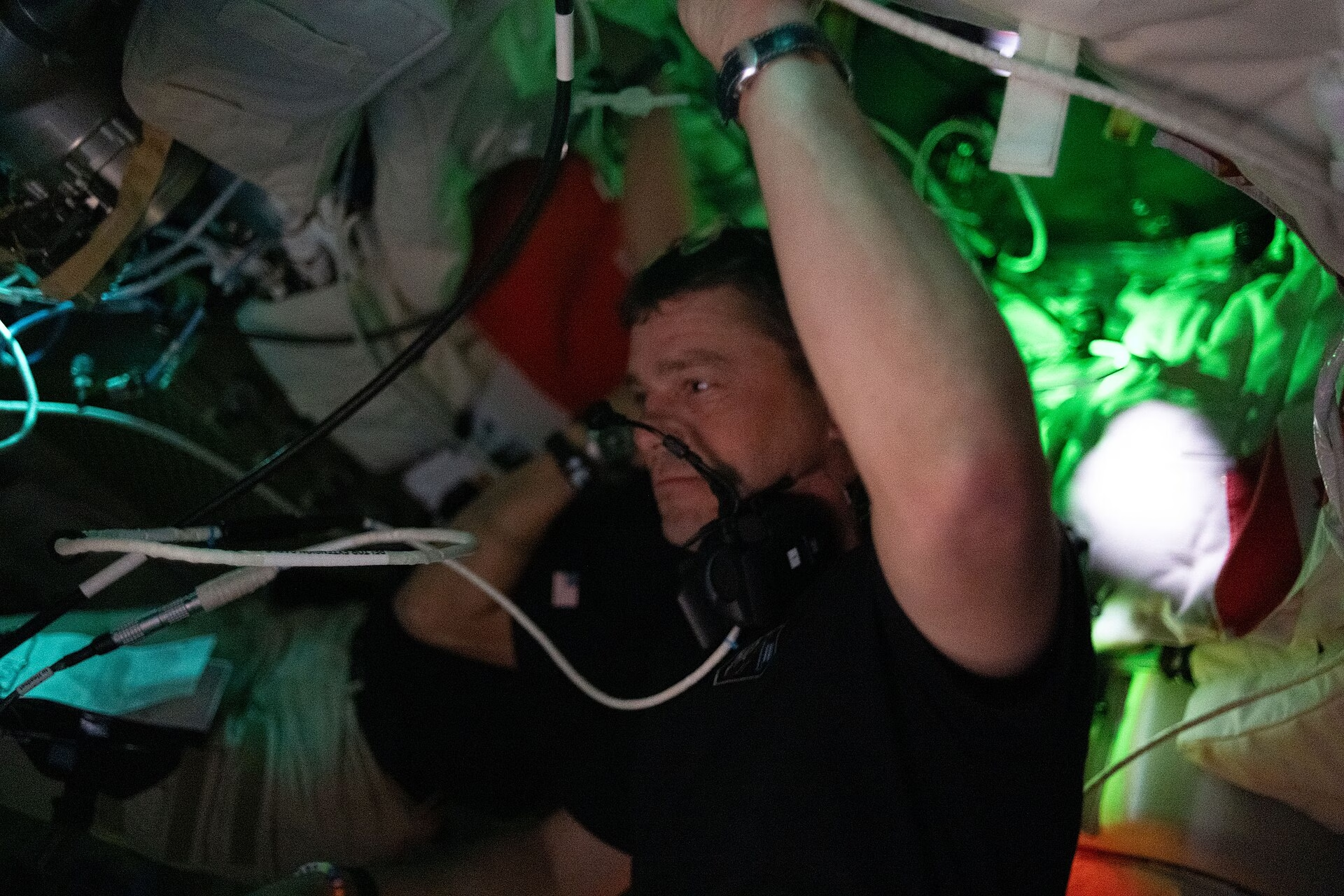
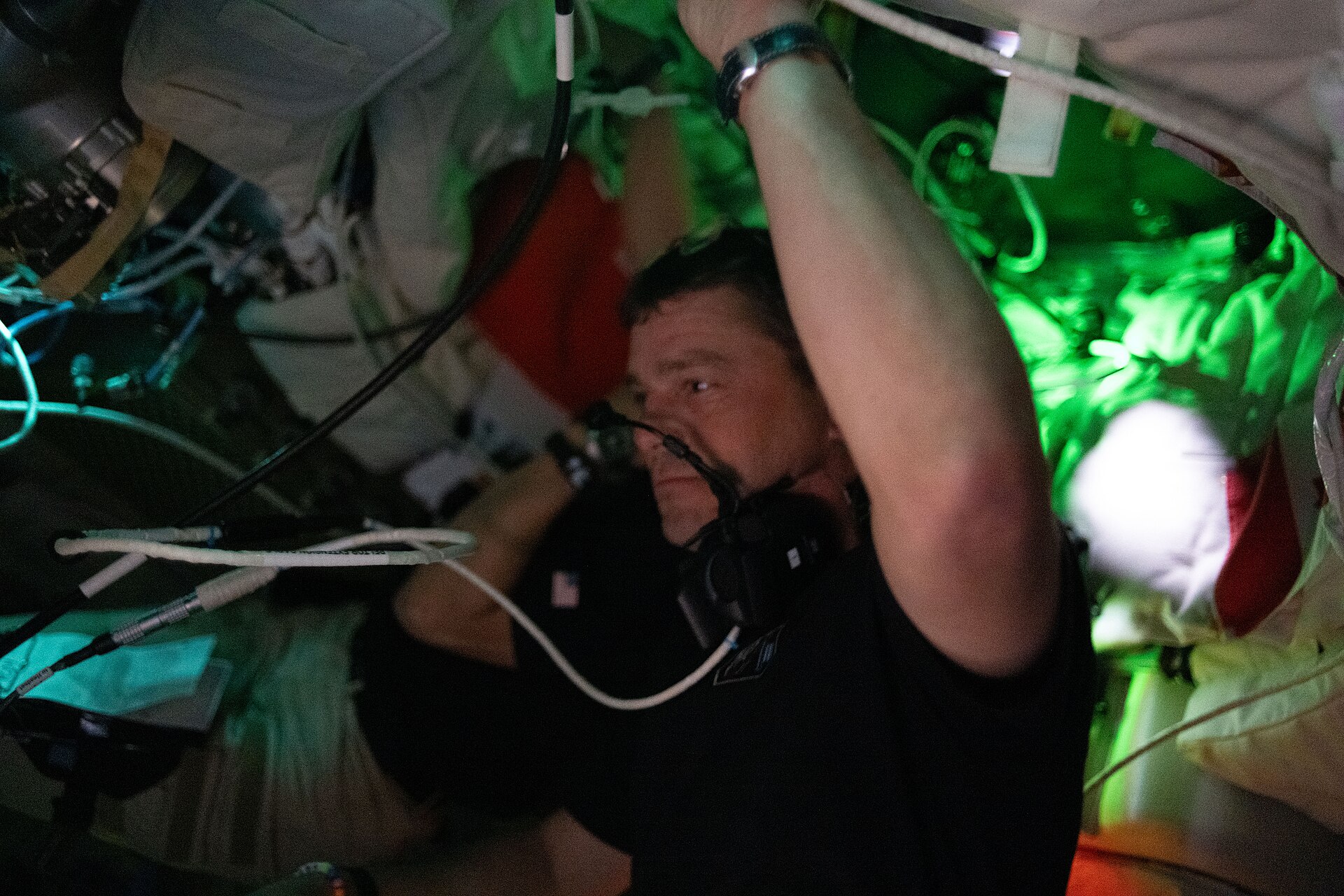
The momentum for the Artemis program hit a critical milestone in April 2026 with the success of Artemis II. For the first time, a crewed Orion spacecraft flew around the Moon, proving that the Space Launch System (SLS) and the Orion capsule could sustain humans on a deep-space trajectory. The mission provided invaluable data and, more importantly, the psychological proof of concept that humans can once again venture beyond Low Earth Orbit (LEO).
The Gateway Pause and the Strategic Pivot
In a surprising move in March 2026, NASA announced a “pause” in the development of the Lunar Gateway. While the Gateway remains a long-term goal, the urgency of landing humans on the surface has led to a shift in priority toward a phased, surface-first approach to establish a permanent lunar outpost.
By reducing the immediate reliance on the Gateway’s completion, NASA aims to accelerate the delivery of critical infrastructure. This shift is mirrored in the hardware strategy: NASA has opted to use a single “near Block 1 configuration” for the SLS rocket to reduce manufacturing complexity, and selected the United Launch Alliance’s (ULA) Vulcan Centaur V as the new upper stage to streamline logistics.
The New Roadmap: A Phased Approach
The path to a permanent human presence is now divided into three distinct phases:
- Phase 1 (Current): Deployment of up to 25 Commercial Lunar Payload Services (CLPS) missions. These are robotic scouts delivering research equipment and the first components of the future lunar outpost.
- Phase 2 (Target 2029): The transition to “semi-permanent infrastructure.” This phase focuses on early habitation and the logistics required to keep humans alive on the surface for longer durations.
- Phase 3 (2032 and beyond): The achievement of a continuous human presence on the Moon, utilizing a fully realized lunar base.
Looking Ahead: The Timeline
The upcoming schedule is aggressive but focused. Artemis III, planned for mid-2027, will now focus on demonstrating the Human Landing Systems (HLS) in Low Earth Orbit before attempting the descent. The historic moment—the first human landing since 1972—is currently slated for Artemis IV in 2028.
While the “pause” of the Gateway may seem like a setback to some, it represents a move toward agility. By focusing on the surface and leveraging commercial partners (CLPS), NASA is treating the Moon not just as a destination for a visit, but as a laboratory for the future of human civilization in space.