
Super Mario Bros: How One Game Revolutionized Gaming Forever
Super Mario Bros: How One Game Revolutionized Gaming Forever
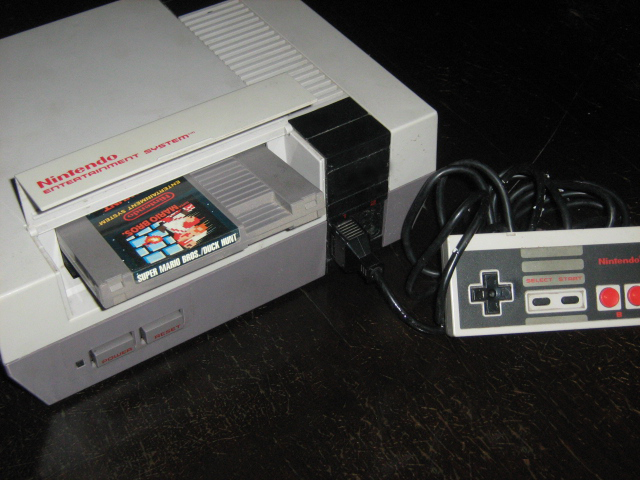
In the spring of 1985, Nintendo released Super Mario Bros on the Nintendo Entertainment System (NES), launching just as arcade gaming’s golden age was waning and home consoles had recently collapsed under the weight of defective hardware scandals. That modest launch would become one of history’s most consequential cultural moments in entertainment.
The game did everything at once: it defined platforming mechanics as we recognize them today; made platformers the dominant game genre for nearly two full decades; produced an icon that transcended gaming and became household status. Its modest origins would never have suggested this enduring legacy.
An Unlikely Beginning
Mario began life not as hero but factory foreman named Mario appearing in Donkey Kong (1981), Nintendo’s first major arcade hit designed to distract workers from strike negotiations over the Space Invaders contract. The simple premise — rescue Pauline trapped atop industrial structure built of conveyor belts and pipes — established what would become platform gaming conventions.
Super Mario Bros expanded this formula fundamentally with horizontal scrolling world progression, precise jump mechanics, enemy patterns that rewarded memorization, cooperation mechanics for parent-child play, and level design that treated the player’s time as precious rather than disposable.
The platforming design established conventions still recognized in every contemporary platformer: left-to-right screen progression; jumping over pits and obstacles as primary advancement mechanic; enemies defeated by vertical descent (falling) from above; pipe elements serving as visual shorthand for level advancement. These weren’t accidental features but deliberate design choices that defined a genre.
The timing itself tells part of this story. Earlier in 1985, Atari had collapsed under insolvency after its ill-fated video console venture, entire industry appeared to be in freefall, and most media observers wrote off home gaming as entertainment fad that passed. Nintendo’s conservative launch strategy would become one of history’s defining cultural moments.
The game defined platforming mechanics still recognized every contemporary sequel. The timing alone: launching at end of 1980s when gaming was transitioning from novelty to mainstream medium; it arrived just as consoles regained respectability after the NES security code prevented unauthorized cartridge copies that had nearly destroyed Atari’s market share.
Crossover Popularity
Mario expanded far beyond platforming games. The franchise spawned countless spin-offs including Mario Party series, kart racers, RPGs, sports competitions, and puzzle titles that brought character into broader gaming cultural awareness. Each new category proved Nintendo’s formula resilient.
The Nintendo Land attraction showed Nintendo at its most clever: transforming beloved characters into physical experiences beyond console screens. From party board games to multiplayer mayhem on consoles, Mario kept proving brand resilient enough to reinvent itself repeatedly without losing essential appeal. The character appeared in advertisements, theme park attractions, and became celebrity status within gaming communities.
The original NES Super Mario Bros holds particular significance even among its numerous sequels: it defined entire generation’s understanding what video games could accomplish; Nintendo used it to prove the NES wasn’t mere toy but serious entertainment worth investing in; established industry standards that developers still reference today. Game design textbooks study its level structure, enemy placement, power-up timing as teaching tools.
The game became cultural touchstone referenced far beyond gaming itself — in music, comedy, and everyday language. Mario’s jumping over Goombas phrase became shorthand for difficult tasks overcome through patience and practice; his iconic mustache appeared on merchandise beyond video games;
Nintendo E3 presentation became legendary media moments where gaming reached mainstream audiences.
Tech Legacy
Mario Bros’ jump detection system remains studied in game development curricula. The precision required for consistent jumping mechanics — accounting for screen boundaries, ground hit registration, air control responses — directly influenced physics engine design across industry. Modern game studios still incorporate similar collision geometry principles originally refined on those 1980s cartridges.
The horizontal scrolling design influenced every subsequent platformer from Sonic The Hedgehog (1991) to recent indie titles like Celeste (2018), which paid homage directly to these mechanics. Enemy patterns and checkpoint systems remain standard game design considerations taught in modern development courses.
Cultural Icon
Mario became recognized figure far beyond gaming circles, appearing in animated television series, theme park attractions at Universal Studios Japan, and celebrity appearances that brought gaming culture into mainstream media consciousness. By mid-1990s, Mario was household name status — one of first video game characters to achieve recognition comparable to Hollywood actors.
The character’s design itself became cultural reference point: mustache iconography; red cap; Italian-style appearance. Nintendo E3 celebrity appearances became legendary media events; journalists and fans alike recognized him on convention floors, merchandise stores, theme park queues. Mario transcended entertainment entirely.
A Game That Lasted Decades
The original NES Super Mario Bros retains particular significance even among its numerous sequels: it defined generation’s understanding what video games could be; Nintendo used prove console capable of serious entertainment; established design textbooks still referenced for level progression mechanics; taught developers industry standards through demonstration.
The game became cultural touchstone referenced far beyond gaming itself — in music, comedy routines, everyday conversations. Mario’s jumping mechanics phrase became shorthand for persistence overcoming obstacles; his cap and overalls iconography appeared on merchandise outside video games entirely.

Mario Bros stands as testament to home gaming’s renaissance: modest origins in arcade cabinets; ambitious execution within severe hardware limitations that enforced creative design discipline; enduring cultural resonance three full decades later. The original NES cartridge remains among collectibles most sought after by gamers worldwide.
Cultural Impact
The game’s cultural footprint extended far beyond initial release period. It became household name throughout 1980s and 90s; shaped how people perceived video games as legitimate mainstream entertainment medium rather than niche hobbyist product. Mario Bros fundamentally altered consumer electronics market: consoles became aspirational items.
The game’s cultural footprint extended far beyond initial release period. It became household name throughout decades; shaped perceptions of video games as entertainment worthy of artistic consideration; demonstrated that pixel-based graphics could convey narrative depth through environmental storytelling rather than text or cinematic presentation.
Concluding Thought
Super Mario Bros wasn’t merely a game; it was beginning of something extraordinary that would endure for generations. Its design principles informed how games were built for decades following its initial release. Platforming as art form gained respectability through this work’s demonstrated mastery; modest cartridge became proof concept for home video gaming industry viability.
Mario Bros stands today as enduring evidence of gaming’s maturation: modest beginnings in arcade halls; ambitious execution despite severe hardware constraints that enforced creative discipline; cultural influence spanning three full decades and counting. The original NES cartridge remains among collectibles most sought after by gamers worldwide.
The game defines entire generation, yet continues inspiring new developers to master platforming craft. Its legacy lives on in every modern platformer prioritizing movement mechanics, level design principles originally pioneered within Super Mario Bros’ 64KB constraint that taught creativity mattered more than processing power.