The Zune: Five Years of a Bright, Brown Idea Microsoft Lost the War But Won the Argument
For most of 2006, the phrase “portable music player” meant one thing: an Apple iPod. That was the whole reason the Zune existed. In November of that year, Microsoft walked into a market it never owned, pointed a $250 media player squarely at the dominant Apple, and for about five years produced the most colorful, the most social, and — to a great many people — the most absurdly brown music player ever put in a pocket. It lost the war. It may well have won the argument.
A $250 underdog with a soft spot for brown
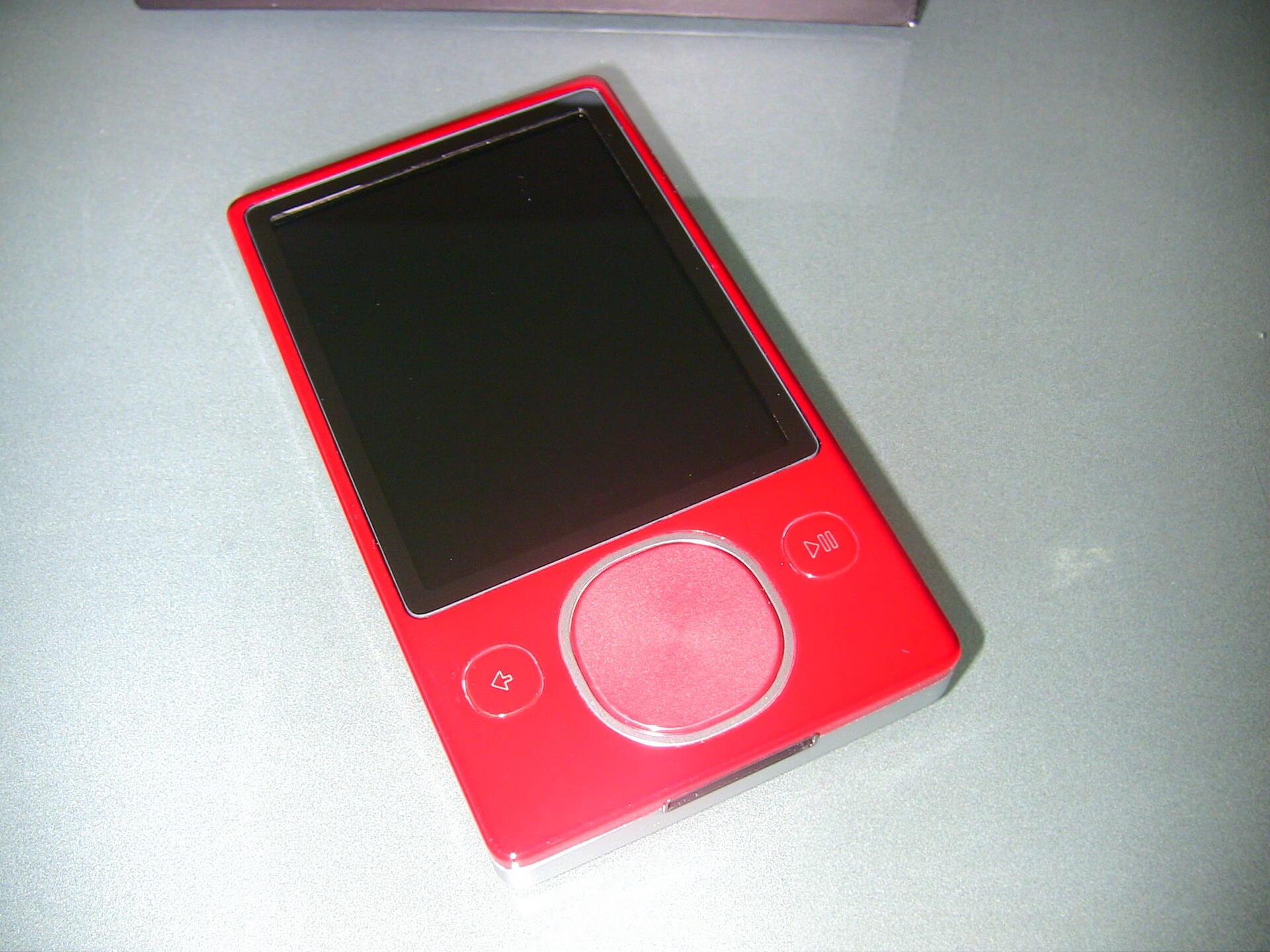
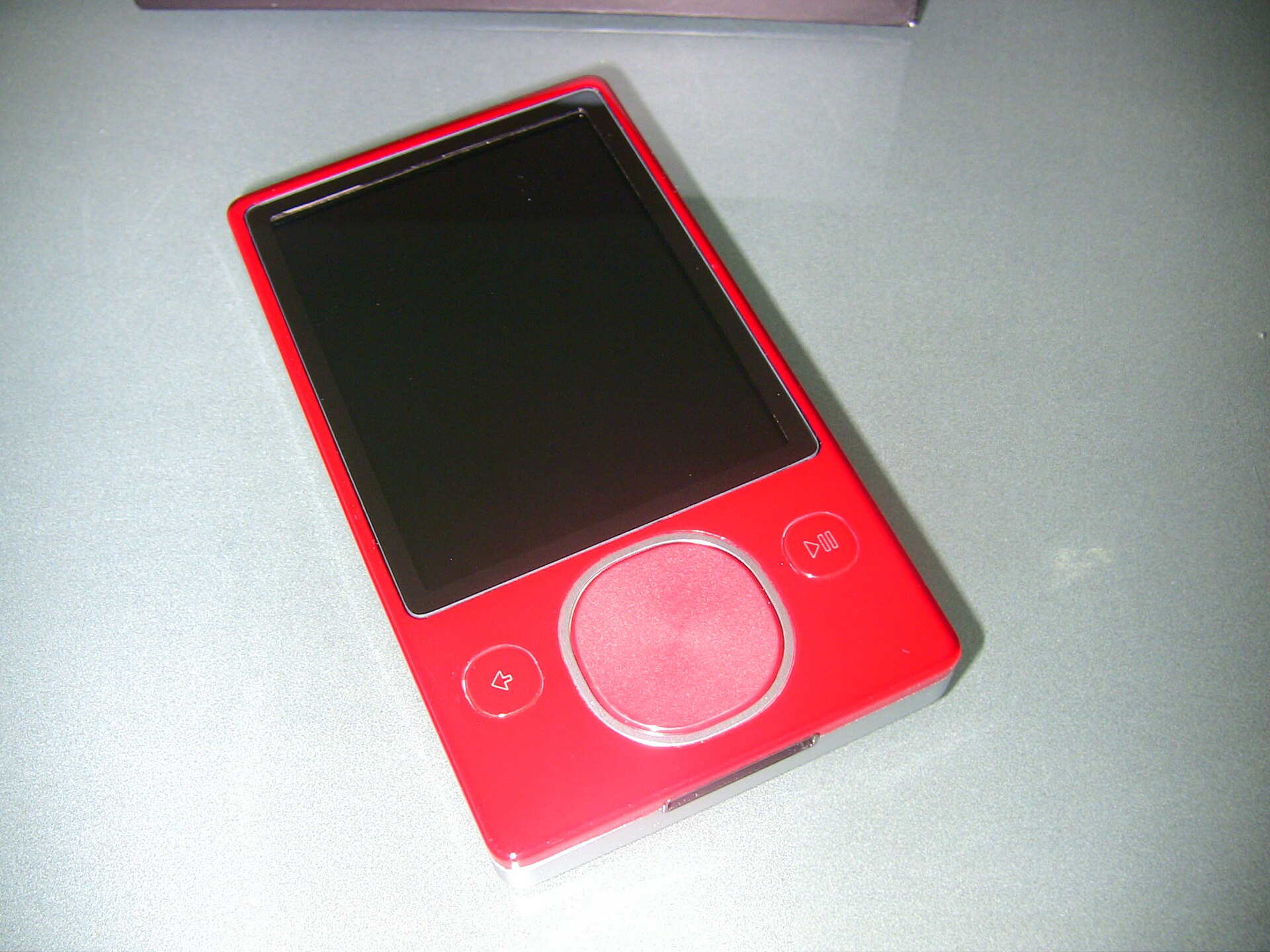
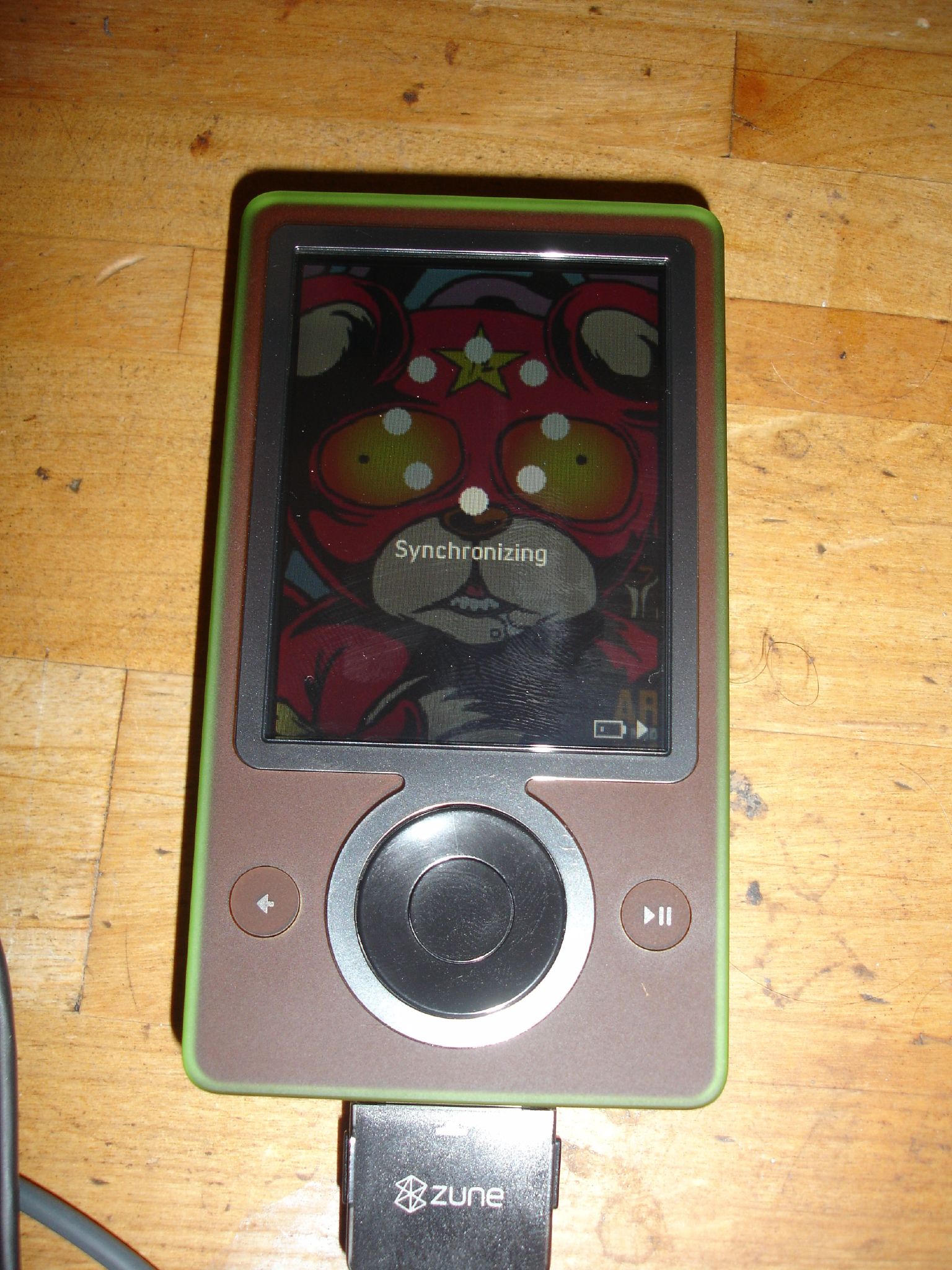
The original Zune — later relabeled the Zune 30 — reached U.S. stores on November 14, 2006, for $249.95. It stuffed a 30-gigabyte hard disk, an FM radio, and a three-inch screen into a body that CNET, at its most generous, could only call a “high-profile underdog alternative to Apple’s iPod.” The device was built under project codename “Argo,” run by J Allard, and its music store launched as “Alexandria”. Hardware came out of a cooperative effort with Toshiba, and the first units shipped in black, brown, and white — with brown becoming the joke that stuck for the next decade.
Microsoft had been in the music hardware business before; the Zune grew out of the failed Portable Media Center, which had sold on a PC-sync model called PlaysForSure. Apple’s iTunes Store and iPod had made that model look old, so the Zune was a genuine bet that a better experience could beat a bigger one.
Where it was genuinely ahead
Microsoft understood one thing the market wasn’t pricing yet: music was becoming social, not just personal. The Zune Marketplace, and later the Zune Pass at a flat $14.99 a month for as many songs as you wanted to hear, aimed for exactly that. Zunes paired over a wireless network so a crowd at a party could share a song — with the twist that the track would play up to three times over three days before it locked out, a clever, half-legal way to let music pass between friends. (A Microsoft Zune Media Extender could also pipe a library onto a television with HDMI.)
The design language, not the software, is where the Zune earned its lasting reputation. The round square “Zune Pad” on the front was one of the earliest widely-seen touches of what would become Microsoft’s flat “Metro” interface, and the typeface Segoe — still in use everywhere from Windows to the Xbox to the current Microsoft logo — was first developed for this device. The Zune HD, which shipped September 15, 2009, was the best one: a 3.3-inch OLED touchscreen powered by an Nvidia Tegra chip, playing 720p video out to a TV through a dock. It’s the model writers kept comparing to the Apple device and finding less silly than expected.
Microsoft even tried to make it infrastructure. In the summer of 2010, every United Airlines seat could sync to a Zune, letting passengers pull their own playlists onto an in-flight system. A music player had graduated to a business class amenity.
The brownest thing on the planet
Culture moved faster than Apple could respond. The brown Zune became its own object of affection and derision — a running joke about brownness that Microsoft leaned into rather than fighting. In 2008 it went as far as running a Super Bowl commercial built entirely around the color, and a Wired piece noted that the device had quietly become a status signal among the people who owned one: “the brown Zune became, in effect, a social status symbol for a niche crowd.” It was the only time the market for a portable music player treated a color as a design decision worth national television.
The numbers don’t lie
By May 6, 2008, Microsoft said it had shipped more than 2 million Zunes, about a million of them since the second generation. Momentum was real. It was not enough. In the week of launch the Zune grabbed roughly 9 percent of the portable-media market by units, behind Apple’s 63 percent; across 2009 that gap widened to a reported 2 percent for Zune against Apple’s 73, with SanDisk and Sony splitting the remainder. Holiday-quarter sales fell from $185 million in 2007 to $85 million in 2008.
- Microsoft stopped selling Zune hardware on October 3, 2011, and folded the brand into Xbox Music and Xbox Video.
- The Zune music service itself was retired on November 15, 2015, moving subscribers to a new service Microsoft had launched that year under the name Groove — later rebranded yet again as Microsoft’s Music service.
The hardware had a quirk worth remembering: at midnight on December 31, 2008, many Zune players stopped responding. Microsoft said the cause was a clock that skipped 2008 because it was not a leap year; owners were told to drain the battery and recharge after the first day of January. Devices recovered on their own within a day, and the incident was later attributed in part to a firmware defect. It was a small footnote, but a very Zune-sized footnote.
Reappraised
The tide turned after death. In a 2012 poll by Slate that asked readers which “dies as defunct” technology was actually worth reviving, the Zune beat out MySpace, the PalmPilot, dumb cell phones, and older versions of Internet Explorer. About a year later, journalist Farhad Manjoo bought a Zune HD as an experiment and wrote that it “wasn’t as complete a failure of vision as you may believe,” praising how he could still use it as a backup when his phone died. In 2019, author Simon Sinek called the Zune “a triumph of design but a failure of long-term strategic thinking,” a line that has become the shorthand for the whole story.
Microsoft lost the battle for the portable music player, but it kept the ideas. Segoe, the tactile square pad, and the flat Metro aesthetic didn’t disappear with the brand — they moved into Windows, Xbox, and the Microsoft logo we recognize today. That is what people mean when they quietly argue that the Zune was never as bad as its market share suggests.
The Zune still gets compared unfavorably to Apple’s iPod, and it was also, for a stretch, described as “the Edsel of MP3 players” — a reference to the 1957 car that failed spectacularly. Both comparisons are useful. The point is not that Microsoft got there first; it’s that Microsoft got something worth building and still lost to a competitor with the distribution, the ecosystem, and the timing on its side. Five years of a genuinely bright idea, a $14.99-a-month service that predated streaming by several years, and a design language that outlived the product. In the end, the most interesting thing the Zune was was a thing that was ahead of its time and still got left behind — which is a much more interesting sentence than “it lost.”