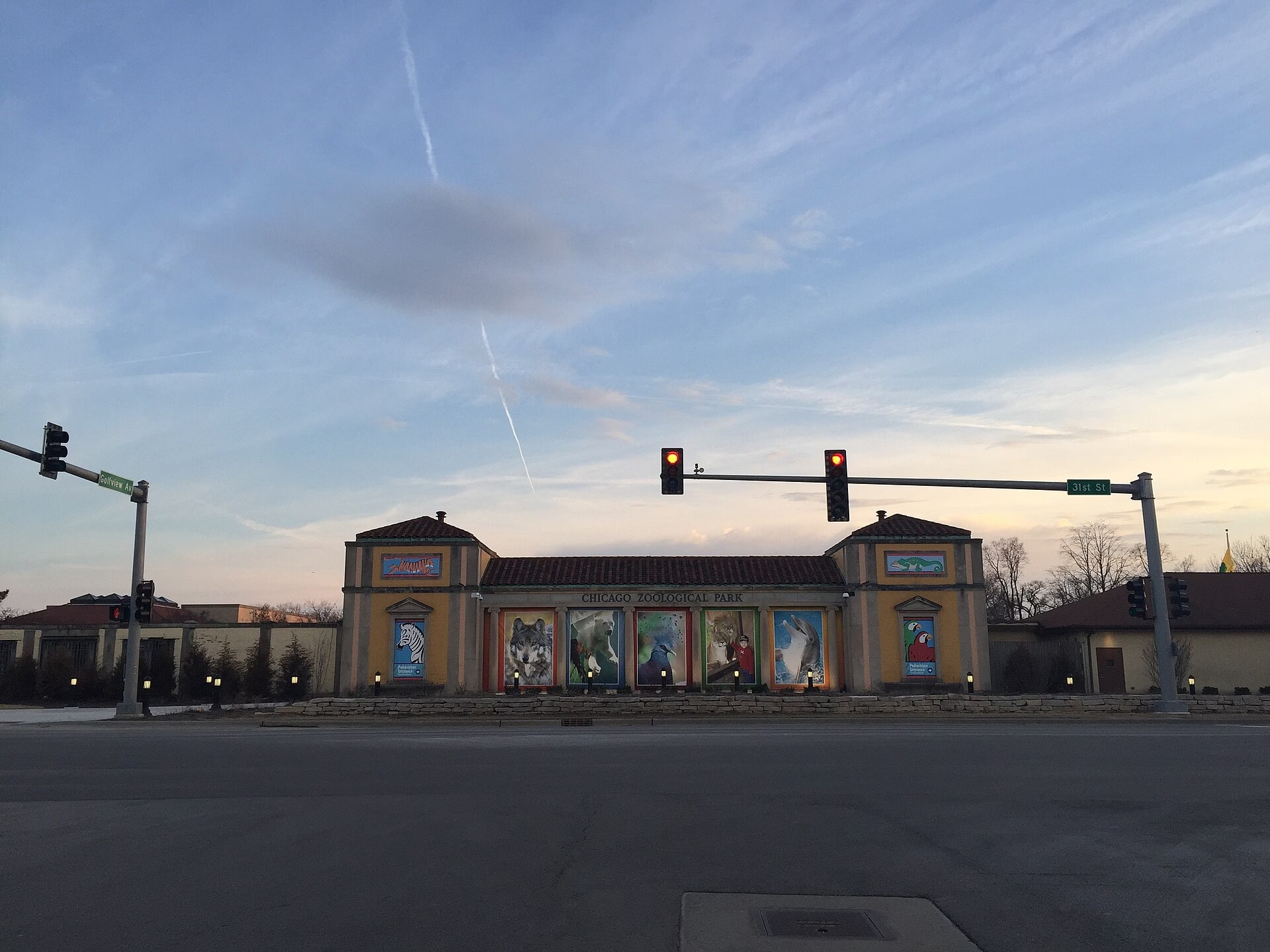
Brookfield Zoo Chicago: A Century of Cageless Design and Conservation
By moat, not by cage
Most early American zoos looked the same: neat rows of animals behind iron bar. When it opened to the public on July 1, 1934, Brookfield Zoo Chicago did not. Rather than enclose its residents in cages, the zoo used moats, ditches, and open landscapes, and it is that idea — animals in settings that look like the wild they came from — that gave the institution its lasting international reputation.[1]
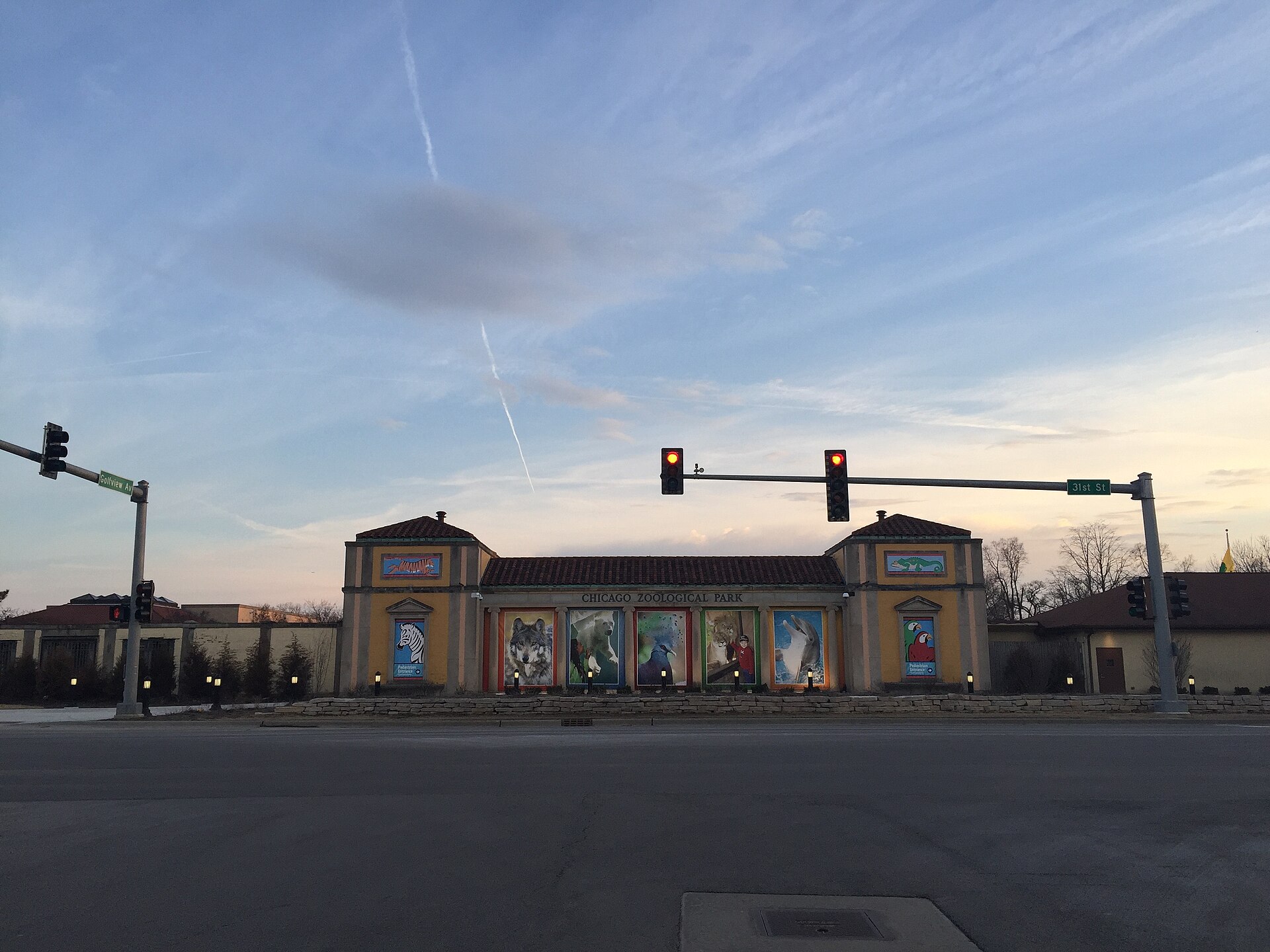
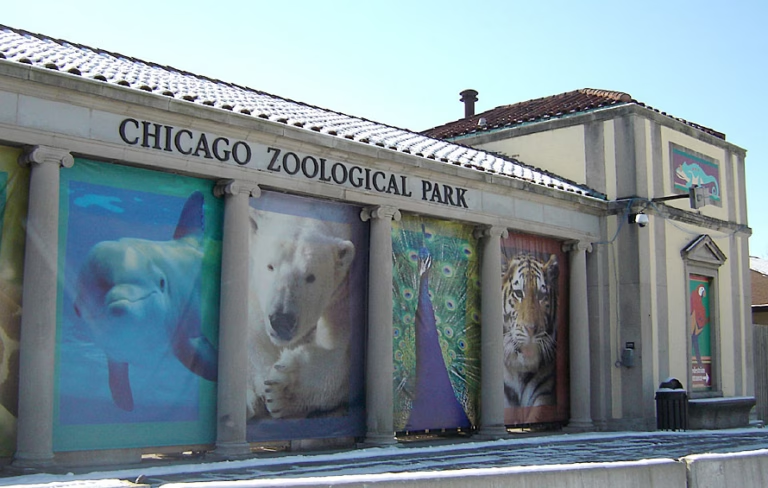
Today Brookfield is the largest zoo in the Chicago metropolitan area. Spread across 216 acres (about 87 hectares) in the western suburb of Brookfield, Illinois, it houses roughly 511 species of animals.[1] It is owned by the Forest Preserve District of Cook County and managed by the Chicago Zoological Society. The name “Brookfield Zoo” was the zoo’s label until 2024, when its full name became “Brookfield Zoo Chicago.”[2]
A story that began with a wedding gift
The zoo’s origins trace to 1919, when Edith Rockefeller McCormick donated land — a gift she had received from her father for her wedding — to the Cook County Forest Preserve District, earmarking it for a zoological garden. The district added 98 acres to the plot, and the Chicago Zoological Society was established in 1921.[1]
Real construction did not begin until 1926, after a zoo tax had been approved, and progress stalled as the Great Depression set in. The project regained its footing by late 1931, and by the time the gates opened on July 1, 1934, the effort had already proven its public appeal: more than a million people had visited by the end of September that year, and the total reached four million by 1936.[1]
Firsts that changed the industry
Brookfield has a habit of taking something that sounds experimental and making it standard:
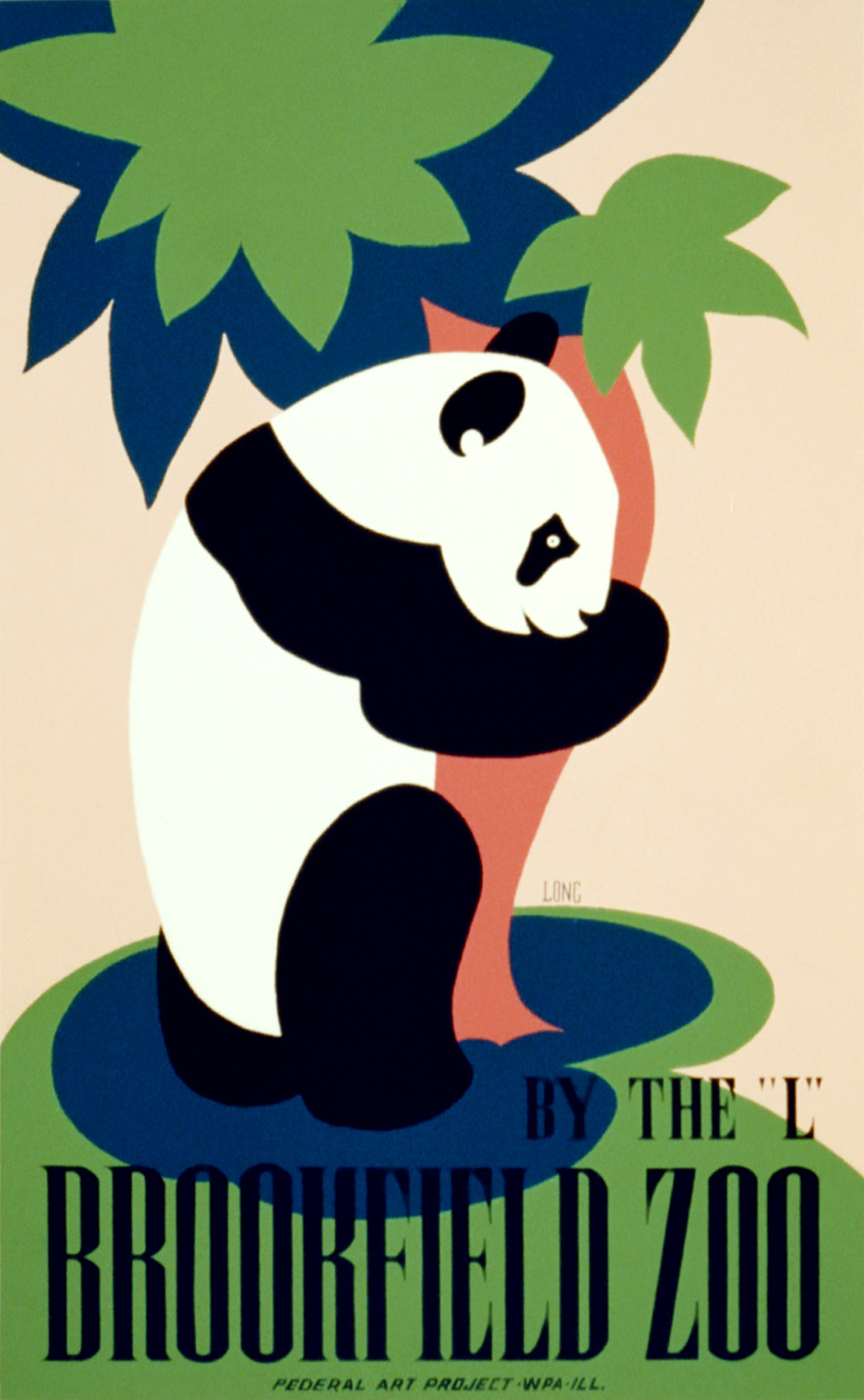
- It was the first zoo in the United States to exhibit giant pandas. One of those early animals, Su Lin, was later taxidermied and is on display at Chicago’s Field Museum of Natural History.[1]
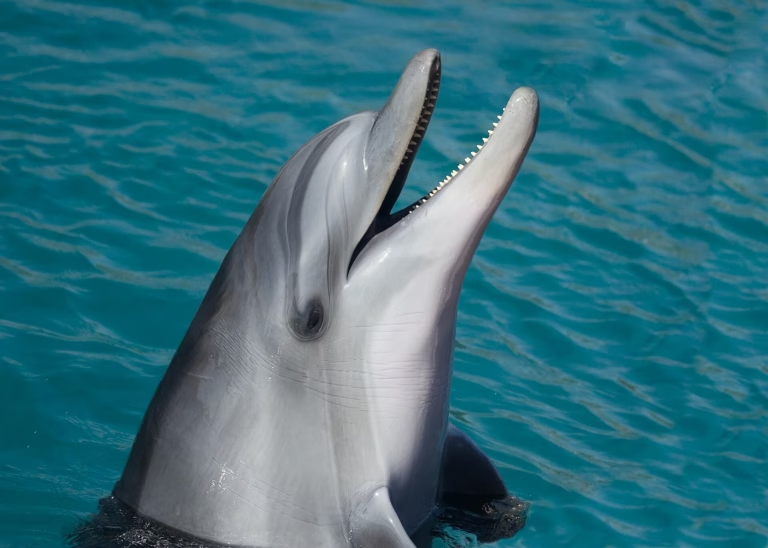
- It opened the first fully indoor bottlenose dolphin exhibit in the United States in 1960.[1]
- In the early 1980s it built Tropic World, an indoor simulated tropical rainforest that, when completed in 1984, was the largest indoor zoo exhibit in the world.[1]
The gorilla who became a national story
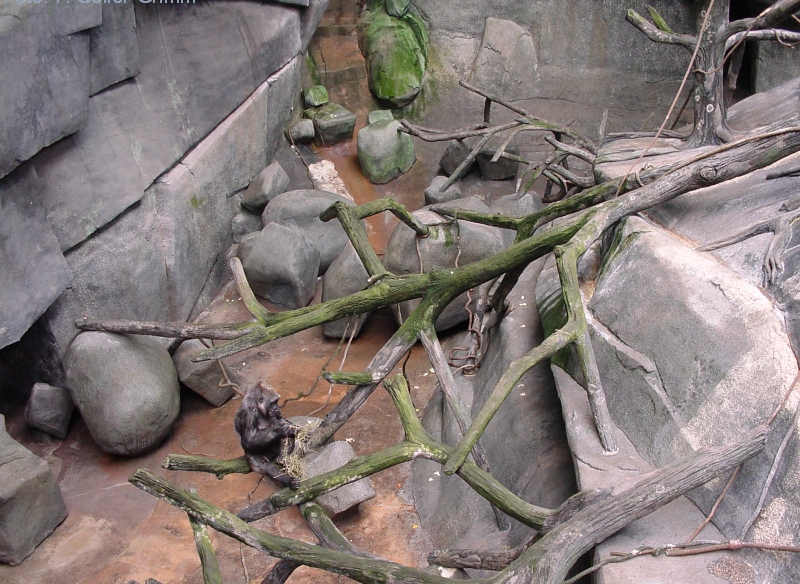
No single moment better captures the zoo’s standing than the 1996 Tropic World incident. When a three-year-old boy fell into the exhibit, a female western lowland gorilla named Binti Jua calmly tended to the child until zoo staff rescued him. The footage went around the world and became a story not just of animal kindness, but of why these animals are looked after so carefully.[1]
Brookfield’s roster of notable animals is otherwise unusual for its quiet longevity. The Major Mitchell’s cockatoo Cookie was part of the collection from the 1934 opening until his death in 2016. And Ziggy, a six-ton male Asian elephant, had been chained in the Pachyderm House for three decades after he attacked a keeper in 1941.[1]
Still moving forward
The zoo’s more recent history has been punctuated by expansion and by a growing emphasis on conservation rather than spectacle. Great Bear Wilderness, a $27.3 million exhibit for grizzly and polar bears, opened in 2010. Several buildings were reconfigured so that animals are arranged by ecosystem — South American coasts, Southern swamps, deserts, the African savanna, the Australian Outback — rather than by traditional taxonomic group.[1]
In September 2023 the zoo received its largest private donation ever: $40 million from an anonymous donor. That money is funding a new expansion to Tropic World, Tropical Forests, which brought new outdoor and indoor habitat for monkeys, gorillas, and orangutans, with an opening of July 11, 2025.[1] For a place that proved a moat could do the work of a cage in 1934, that commitment to the next generation of design is the most Brookfield thing of all.
Not every chapter has been smooth. In 2011 the zoo faced protest from In Defense of Animals over the deaths of its African elephants, and it currently keeps neither elephants nor Nile hippopotamus, though its current master plan expects both to return. It has closed only a handful of times in nearly nine decades — for a severe 2011 blizzard, 2013 flooding, January 2019 cold, the 2020 pandemic, and a January 2024 winter storm.[1]
Sources
- Brookfield Zoo Chicago, Wikipedia. en.wikipedia.org/wiki/Brookfield_Zoo_Chicago
- History, Brookfield Zoo Chicago. brookfieldzoo.org/history