The 51st State: U.S. Data Centers Now Use Nearly 2% of America’s Electricity
A new study published in Nature Sustainability has given the world a concrete number for something that has been an abstract anxiety for years: how much electricity America’s biggest data centers actually consume. The answer is larger than most people expected, and it arrives at a moment when the AI industry is spending more capital on physical infrastructure than on anything it has done before.
Researchers led by Gianluca Guidi, a biostatistician at Harvard, used satellite imagery to pinpoint 403 hyperscale data centers operating between May 2024 and April 2025, then matched those locations to power-plant records to estimate electricity use and carbon emissions. Their central estimate: those facilities consumed between 68 and 99 terawatt-hours of electricity in that year. That is roughly 1.5 to 2.2 percent of all U.S. electricity use. For a country the size of a mid-size state, that is a meaningful share.
The headline number is striking, but the carbon figure is the part that should make grid planners and environmental regulators sit up. The same study estimated that the power used by those 403 data centers generated approximately 25.7 million metric tons of carbon dioxide — more than Denmark’s entire national emissions for the same period. The New York Times, reporting on the findings, noted that the facilities’ combined carbon footprint rivals that of a small-to-medium country, and that the electricity they consumed exceeded that of New York City and Los Angeles combined.
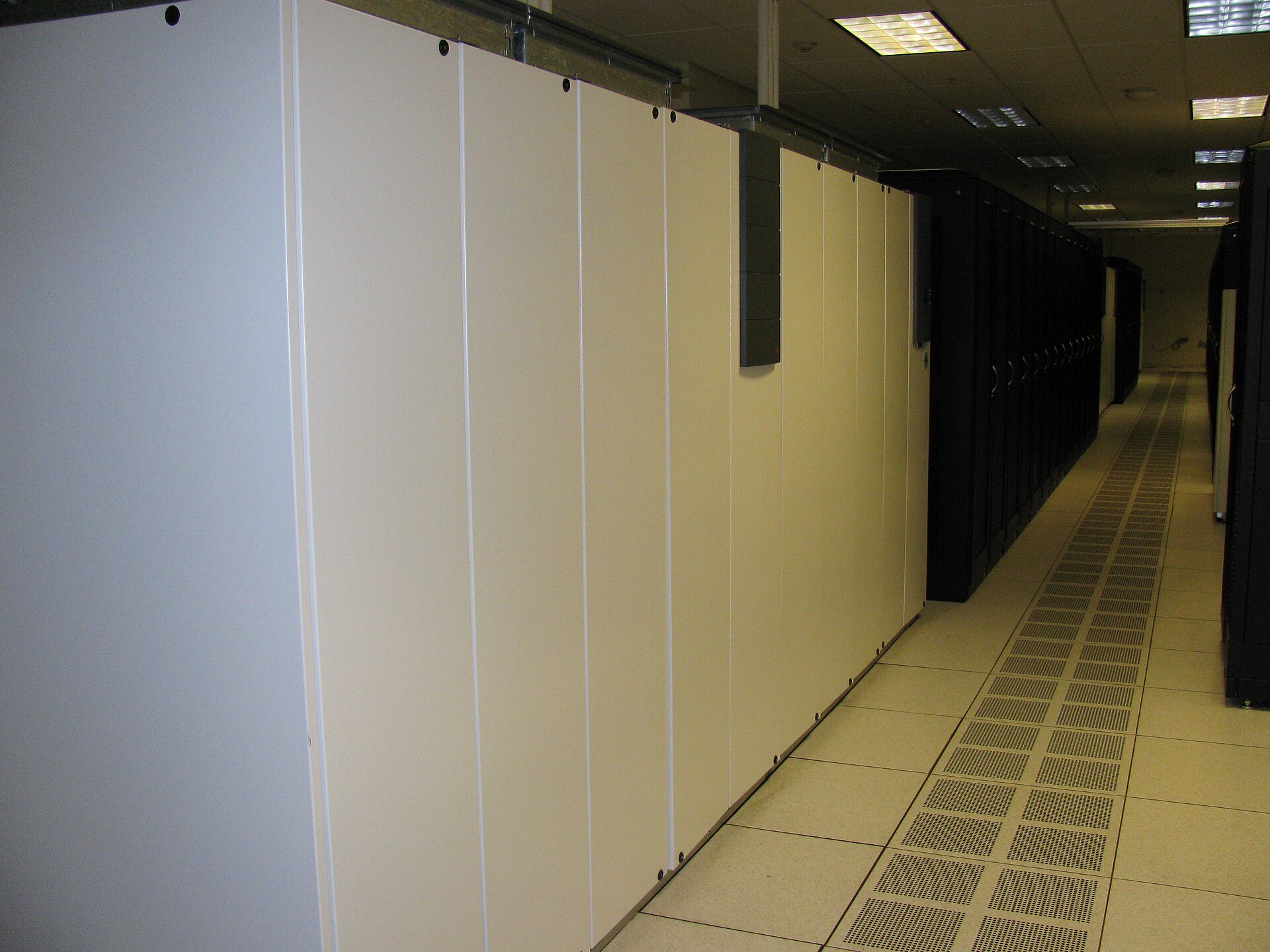
The study’s authors were careful to note the uncertainty in their own numbers. Conventional data centers have been running at roughly 48 percent capacity on average, while AI training loads push utilization closer to 70 percent. That difference matters, because a data center that is 70 percent utilized draws substantially more power than one that is half-idle. The study’s range reflects that spread, and it means the true figure could land anywhere in that band depending on how many of those facilities are running AI workloads versus general-purpose computing.
Why the timing matters
The study landed on a week when the numbers are already moving. Lawrence Berkeley National Laboratory published an updated energy report in June 2026 that estimated U.S. data centers consumed about 192 terawatt-hours in 2024 — roughly 4.7 percent of total national electricity use — and projected that figure could climb to 649 terawatt-hours by 2030, or 11.8 percent of the country’s electricity. The International Data Center Authority reported in July 2026 that global data center consumption grew 17 percent in 2025, reaching nearly 2 percent of global electricity use. The Harvard study adds facility-level granularity to those national estimates, and the two bodies of research point in the same direction: the growth is steep, and it is accelerating.
The International Energy Agency has been even more aggressive in its projections, estimating data centers used 485 terawatt-hours globally in 2025 and could reach 950 terawatt-hours by 2030 in its central scenario. Those numbers are not measured values; they are models built from shipment data, utilization assumptions, and power-draw figures. But they are the best available estimates, and they tell a consistent story. The electrical infrastructure supporting AI is no longer a minor add-on to the grid. It is a primary driver of demand growth.
What the study says, and what it does not
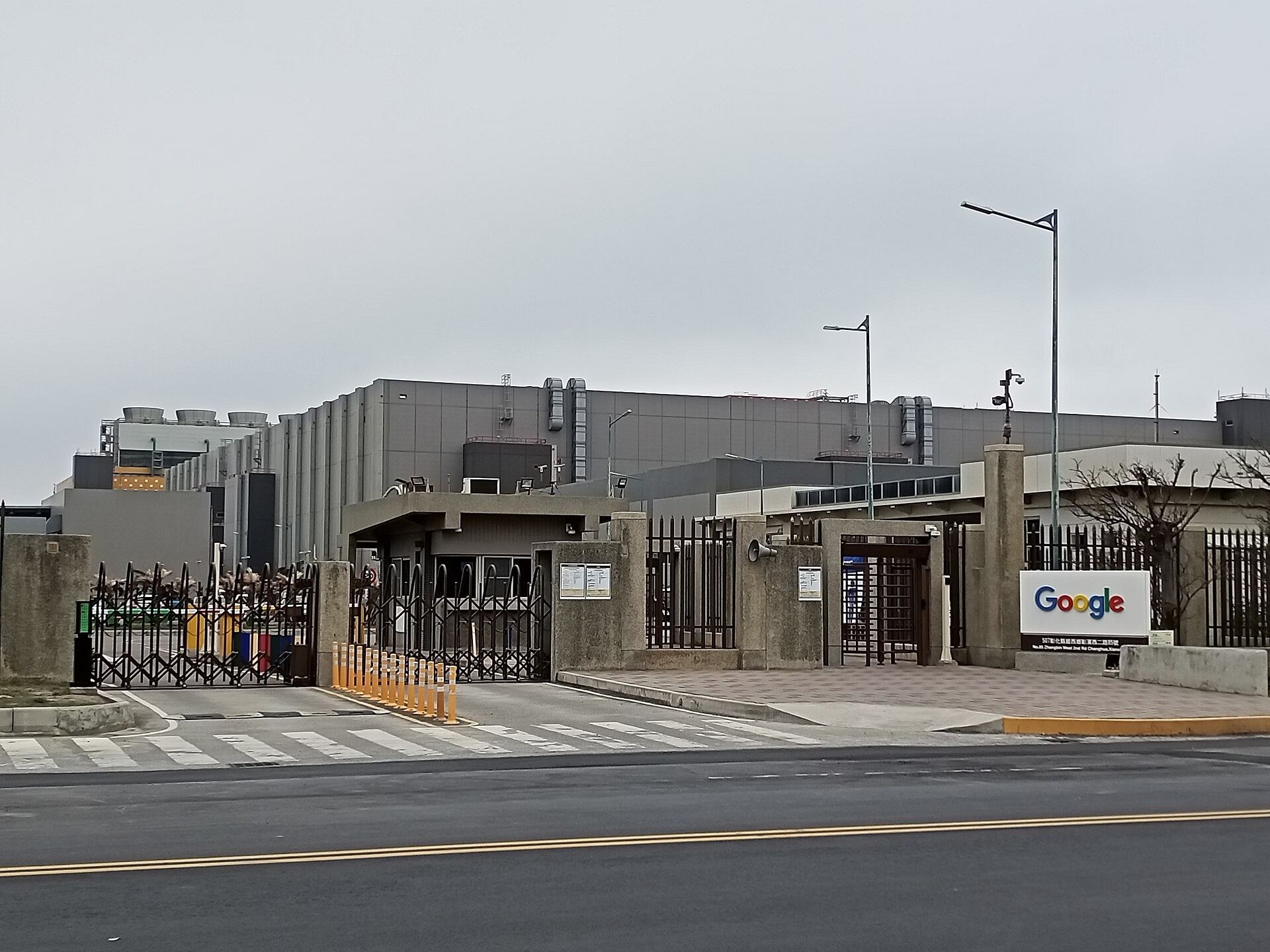
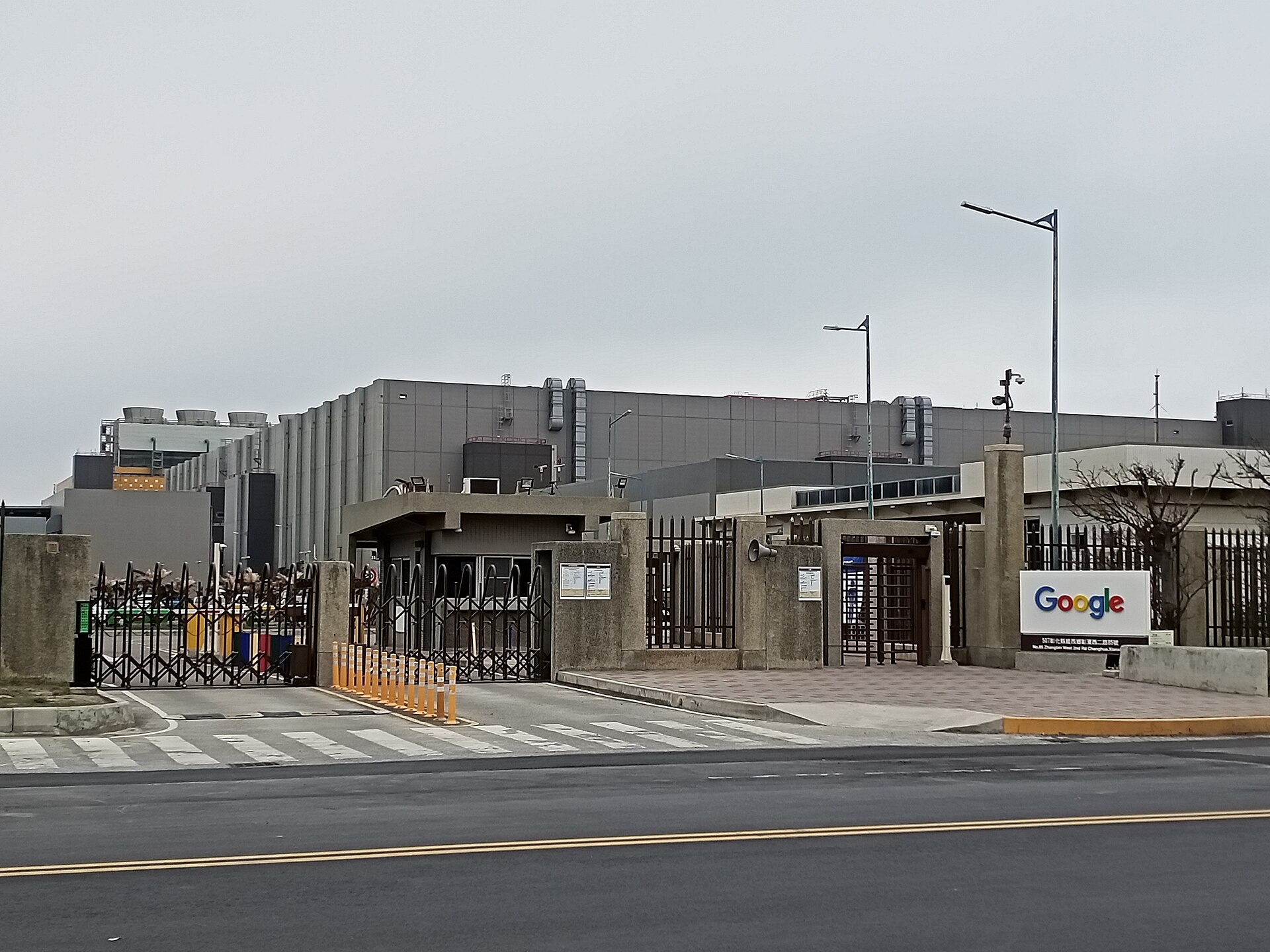
It is worth being precise about what the Harvard study actually measured. It covered hyperscale data centers — the largest facilities, typically owned or operated by hyperscalers like Google, Microsoft, Amazon, and Meta. It did not cover every data center in the country. The U.S. had 1,156 data centers in operation in 2025, and by the end of 2026 that number is projected to reach 1,860, counting facilities under construction. The 403 in the study are the biggest, but they are not the only ones.
The study also could not distinguish between the power going to AI training, AI inference, cryptocurrency mining, or general-purpose computing. That is a genuine limitation, and the authors acknowledged it. But it is also a reason the number matters: even without knowing exactly what share of that electricity is powering the chatbots and coding assistants that have become part of daily life, the total is large enough that it cannot be ignored in grid planning, energy policy, or climate accounting.
The local dimension
For communities, the national figures translate into local questions. The Federal Energy Regulatory Commission is working through a docket on interconnecting large loads to the transmission system, including the question of whether the customer pays the full cost of upgrades needed to connect a data center to the grid. Utilities are filing rate cases. Towns in places like Virginia and Texas are watching their electricity sales climb as commercial demand tied to data centers rises. The EIA has projected commercial electricity sales growth of 3.3 percent in 2026, with data centers a significant part of that increase.
These are not hypothetical concerns. They are live policy debates, and they are being shaped by the kind of data the Harvard study provides. A grid operator planning a new interconnection queue for a hyperscale facility needs to know what share of national demand those facilities represent, and the Harvard study gives a defensible number: at the high end of their estimate, 2.2 percent. That is a state-sized demand in a country of 330 million people.
What comes next
The study is a snapshot of the year ending April 2025. By the time most readers see this, it is already a year out of date. New data centers are being built, existing ones are being expanded, and AI workloads are growing. The next version of this analysis will likely show higher numbers, and the policy questions around interconnection, water use, and local grid capacity will not get simpler.
What the Harvard study does provide is a shared reference point. Before, the conversation about data center energy was a mix of corporate disclosures, industry forecasts, and government models, each with its own assumptions. Now there is a facility-level estimate from a peer-reviewed journal, with a stated methodology and a stated range. That is not a final answer, but it is a starting point, and for a question that affects every electricity rate and every grid plan in the country, a starting point is better than a guess.
The numbers in the study are not a cause for panic. Two percent of national electricity is large, but it is not unprecedented, and it is not outside the range that grid operators have managed before. But it is a signal that the era of treating data center energy as an afterthought is over. The grid is changing, the demand is growing, and the decisions being made right now about where those facilities go and how they are powered will shape the energy landscape for decades.