Sodium-Ion Batteries Have a Better First Job Than Your Next Car
The most convincing place to put a new battery chemistry might be somewhere nobody has to carry it. Sodium-ion batteries tend to enter the conversation as a possible answer to electric-car cost and range. This month’s more useful news concerns cabinets on concrete pads: equipment bought to move electricity from one part of the day to another.
New reporting from ESS News on November 13 fills in the specifications behind CATL’s Tener Sodium grid-storage system. The product was introduced in June; the development now is a more detailed look at its configuration, operating claims and overseas delivery plans, drawing on an October 29 technical webinar. It is not a newly discovered chemistry. It is an increasingly specific procurement proposition.
A four-hour battery, not an all-purpose breakthrough
According to that reporting, CATL specifies a full block at more than 30 megawatt-hours, with a stated power output of 7.5 megawatts for four hours. Cabinets are arranged in pairs, allowing smaller configurations as well as an eight-cabinet block. That puts the product in a recognizable category: multi-hour stationary storage, rather than a promise to supply a grid through every extended shortage.
This distinction matters. Power describes how much electricity can be delivered at a moment; stored energy describes how long delivery can continue. A battery designed around four hours can be useful without being a solution to several windless days. Treating every storage announcement as a contestant in one universal endurance race obscures what the equipment is actually intended to do.
A separate November 13 interview in pv magazine makes the application argument explicit. Polytechnic University of Turin professor Silvia Bodoardo describes stationary storage as a particularly promising market for sodium-ion. The report places commercial sodium-ion cells at around 175 watt-hours per kilogram, against roughly 205 for advanced lithium iron phosphate cells. Those are reported cell-level figures, not measurements of the complete CATL installation.
For a car, carrying more battery mass can be a serious disadvantage. For a stationary project, weight still affects foundations, handling and freight, but it is only one part of the buying decision. The important question becomes whether the complete installation delivers useful energy at a competitive lifetime cost. A chemistry does not have to win every specification to earn a job.
The interesting claims are about the plant around the cells
CATL’s presentation, as described by ESS News, puts considerable emphasis on cooling, auxiliary consumption and layout. Against its EnerX four-hour lithium iron phosphate system, CATL claims the sodium-ion cells generate less heat per unit of energy. Its modeled comparison also reduces refrigeration requirements. These are manufacturer claims, not an independent operating record, but they point toward the right level of analysis.
A storage plant has to run its own supporting equipment. Thermal management, power conversion and the physical arrangement of cabinets all influence what the owner gets from the cells. A battery with attractive laboratory properties can become an awkward project once the rest of the installation is included. Conversely, a less energy-dense chemistry can be commercially interesting if the surrounding system works in its favor.
The cost claim needs its fine print attached. For a modeled 500-megawatt-hour project, CATL estimated 9.2 percent lower engineering, procurement and construction costs for Tener Sodium than for the EnerX configuration it compared against. ESS News notes exclusions including transport, the substation and costs labeled DC/AC side. It also notes that CATL has other lithium iron phosphate products that could compete more strongly with the sodium offering.
That is not evidence that sodium-ion is universally cheaper than lithium-ion. It is evidence that CATL can present a favorable comparison against a specified alternative under specified assumptions. Those are very different statements. A developer needs the delivered project quotation, not a chemistry victory lap.
Read the boundaries, not just the biggest number
Another useful discipline is keeping cell claims separate from system specifications. The broader pv magazine report discusses impressive cold-weather figures for CATL’s second-generation sodium-ion technology. The Tener Sodium system described by ESS News has its own specified operating range of minus 35 to plus 55 degrees Celsius. A claim about a cell family is not automatically a warranty for every assembled product using that chemistry.
The same care belongs around efficiency and longevity. ESS News reports a specified 95 percent round-trip efficiency at 25 degrees Celsius and the stated four-hour duty rate, along with a 70 percent state-of-health specification after 20 years at one cycle per day. Those conditions belong beside the numbers. They should not be rewritten as a promise that every site will return 95 percent of its electricity or retain the same capacity under any dispatch pattern.
Availability is still a watchpoint, too. The report says deliveries are already taking place in China and describes overseas deliveries planned for 2027. Its timeline language combines a summer window with an August production reference; I would not turn that into a firm arrival date for an international customer. Shipping method and cost are also left open in the account. For heavy equipment, logistics is part of the product, not a footnote after the purchase.
What would make this a meaningful change?
My test is straightforward: installations that arrive, operate through real seasons and publish enough information to compare delivered energy, maintenance needs and total project costs. That is a standard for judging what comes next, not an achievement these reports have already established. A favorable slide is useful engineering context. It is not a fleet of operating evidence.
The promising part of this news is the move away from an abstract replacement story. Sodium-ion does not need to displace every lithium battery in every vehicle to matter. It needs to be a credible option for particular storage projects, at a price and operating profile their owners can defend.
That may be a less dramatic future than a single battery chemistry winning everything. It is also a much more plausible one: different batteries doing different jobs, with the quiet rows of cabinets earning their place one electricity bill at a time.
Sources and photograph notes
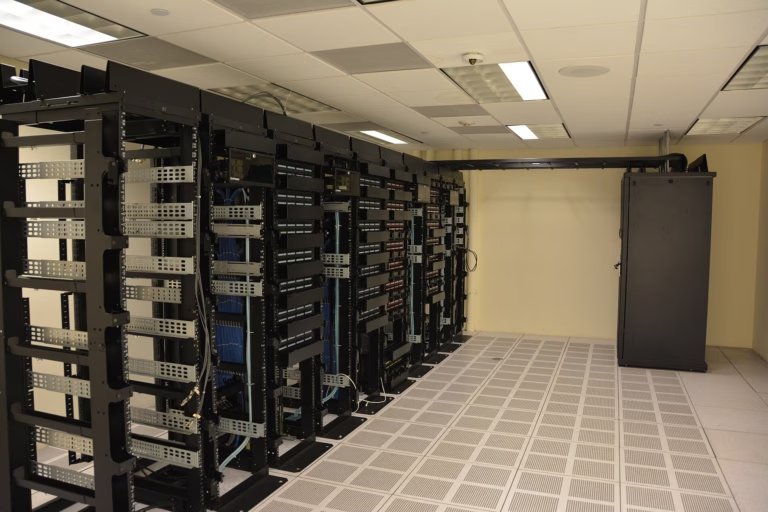
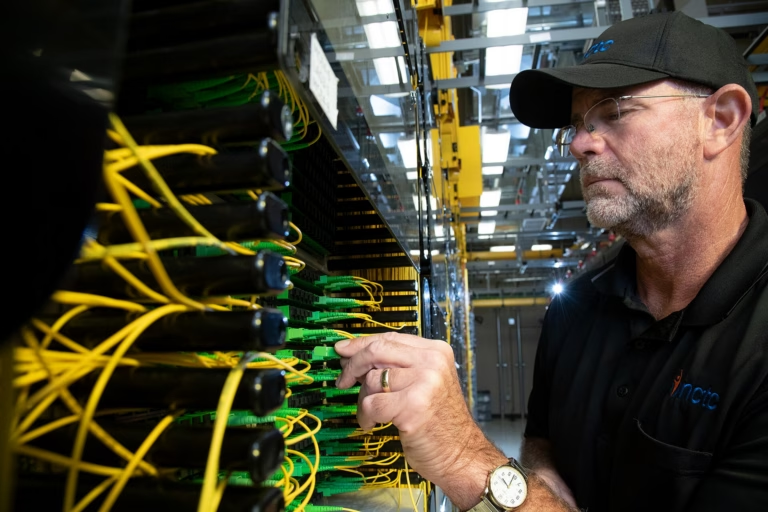
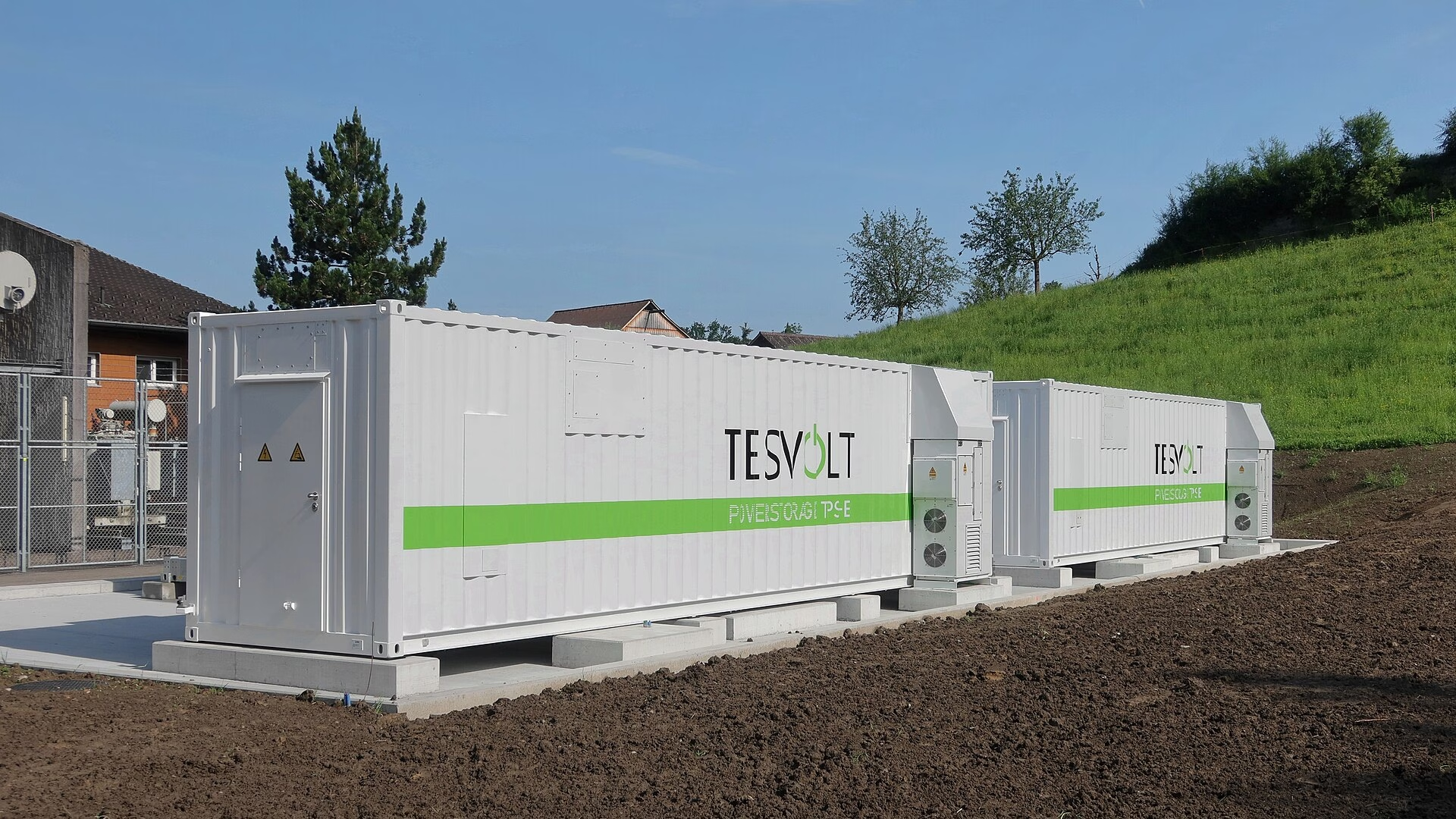
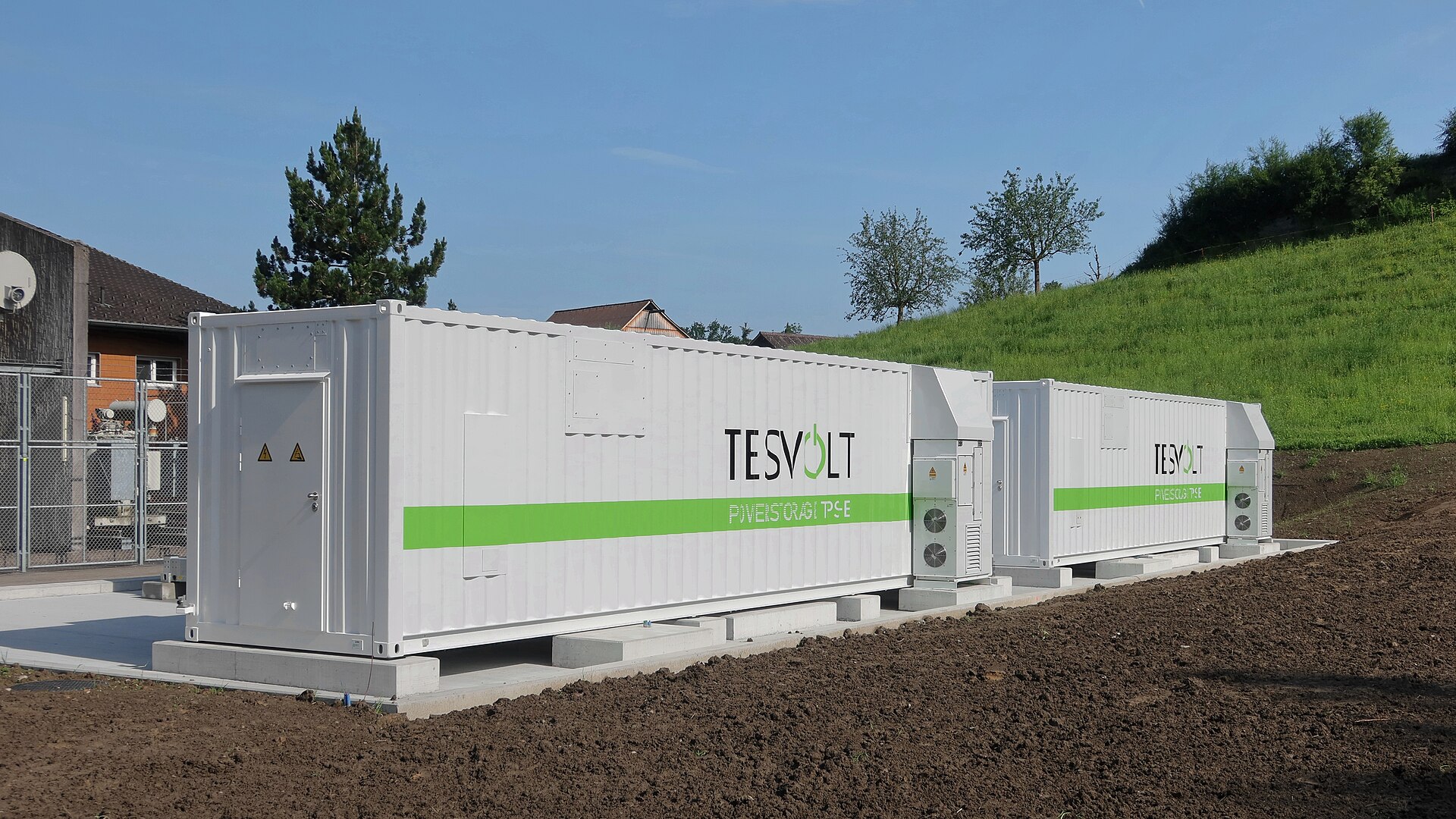
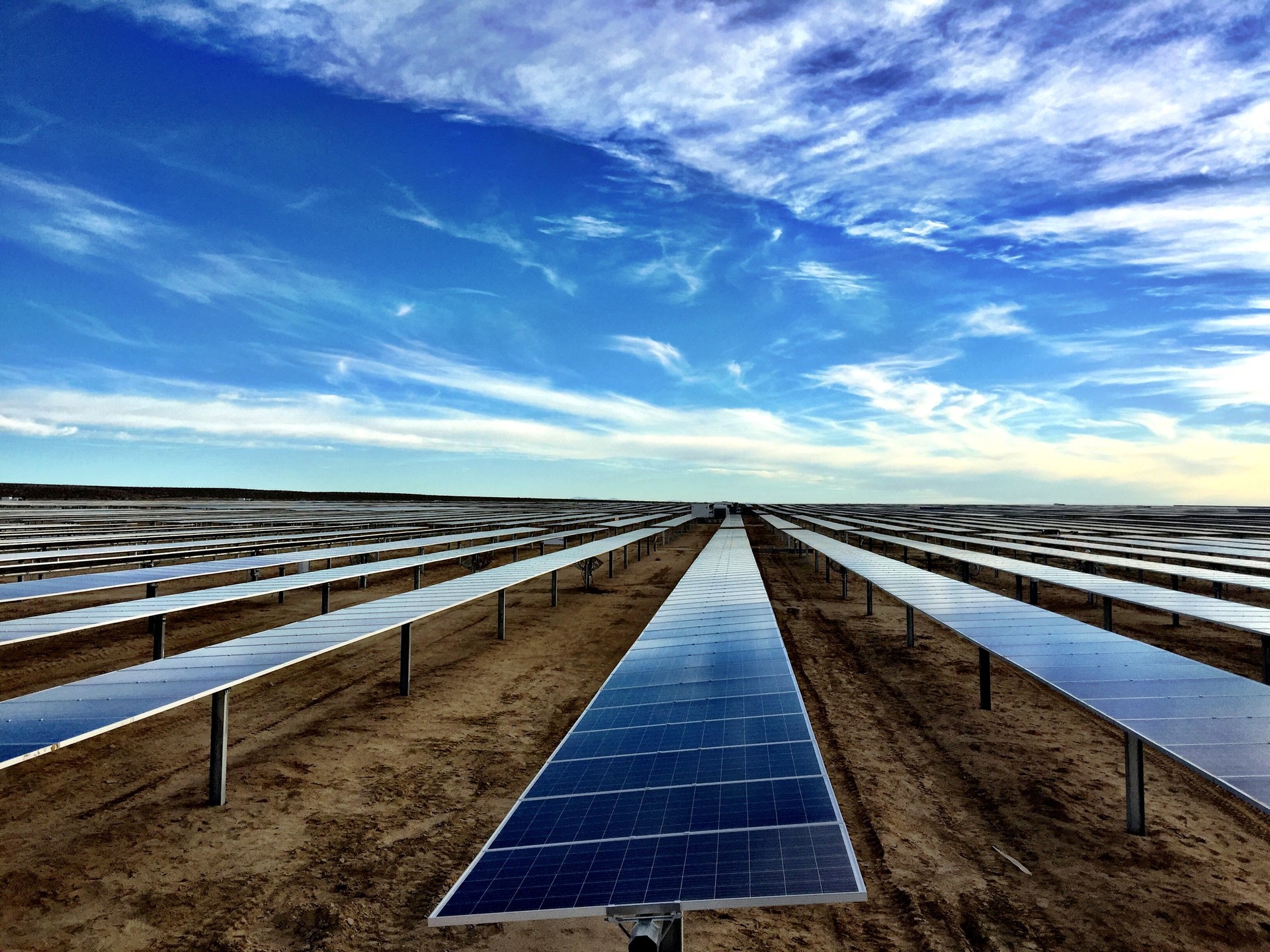
Reporting is based on Tristan Rayner’s Tener Sodium specification analysis and Sergio Matalucci’s interview on sodium-ion’s stationary-storage prospects, both published November 13, 2026. Product performance and modeled savings are attributed claims, not independently tested results. The photographs provide stationary-storage and solar-generation context; neither depicts CATL’s Tener Sodium system.