
The Lion: Africa’s Apex Predator
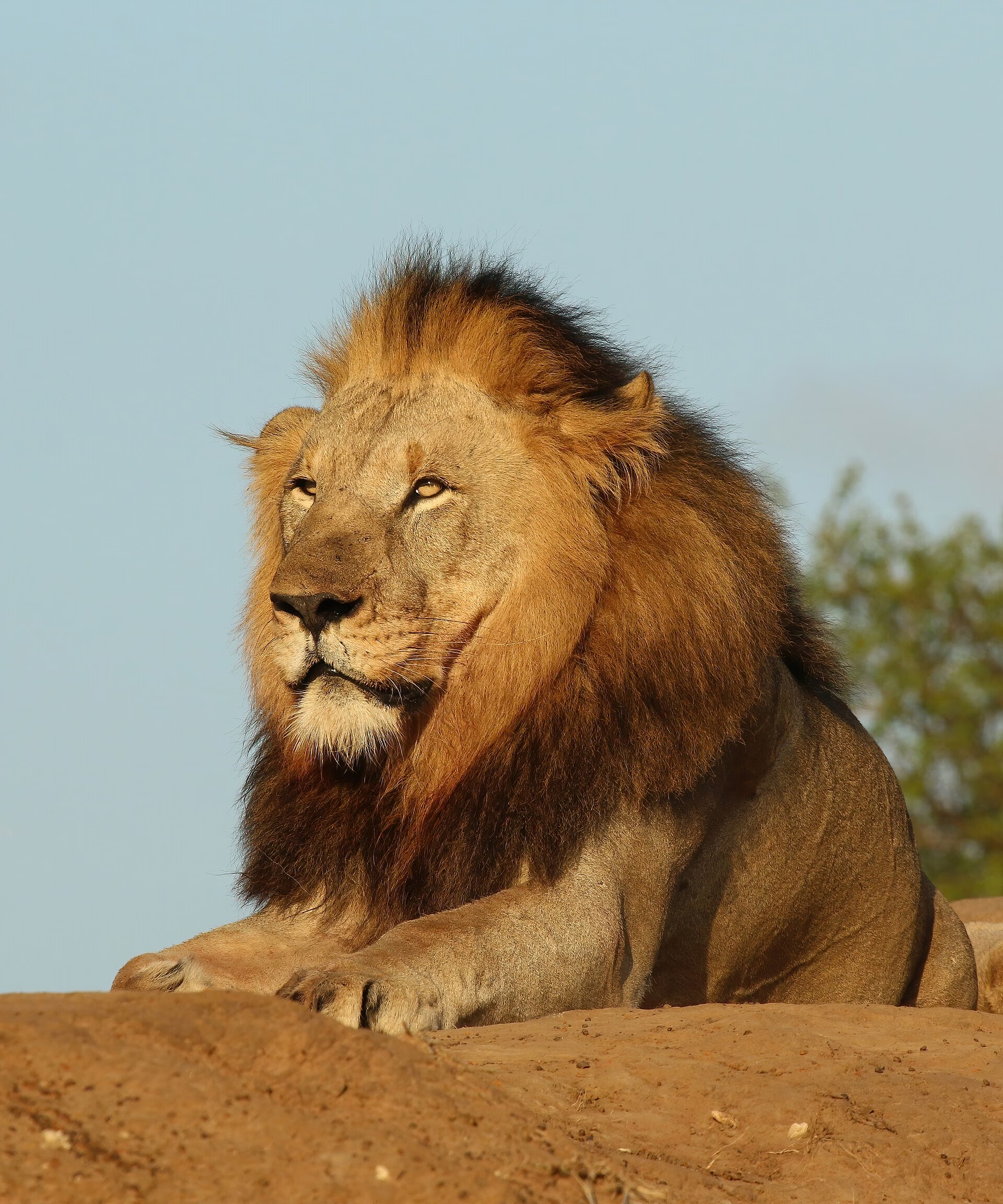
<src src="/var/lib/hermes/lori/cache/images/lion-hero.jpg"
<source media="(max-width: 600px)" srcset="/var/lib/hermes/lori/cache/images/lion-hero-small.jpg"
<source media="(max-width: 900px)" srcset="/var/lib/hermes/lori/cache/images/lion-hero-medium.jpg"
<img src="/var/lib/hermes/lori/cache/images/lion-hero.jpg"
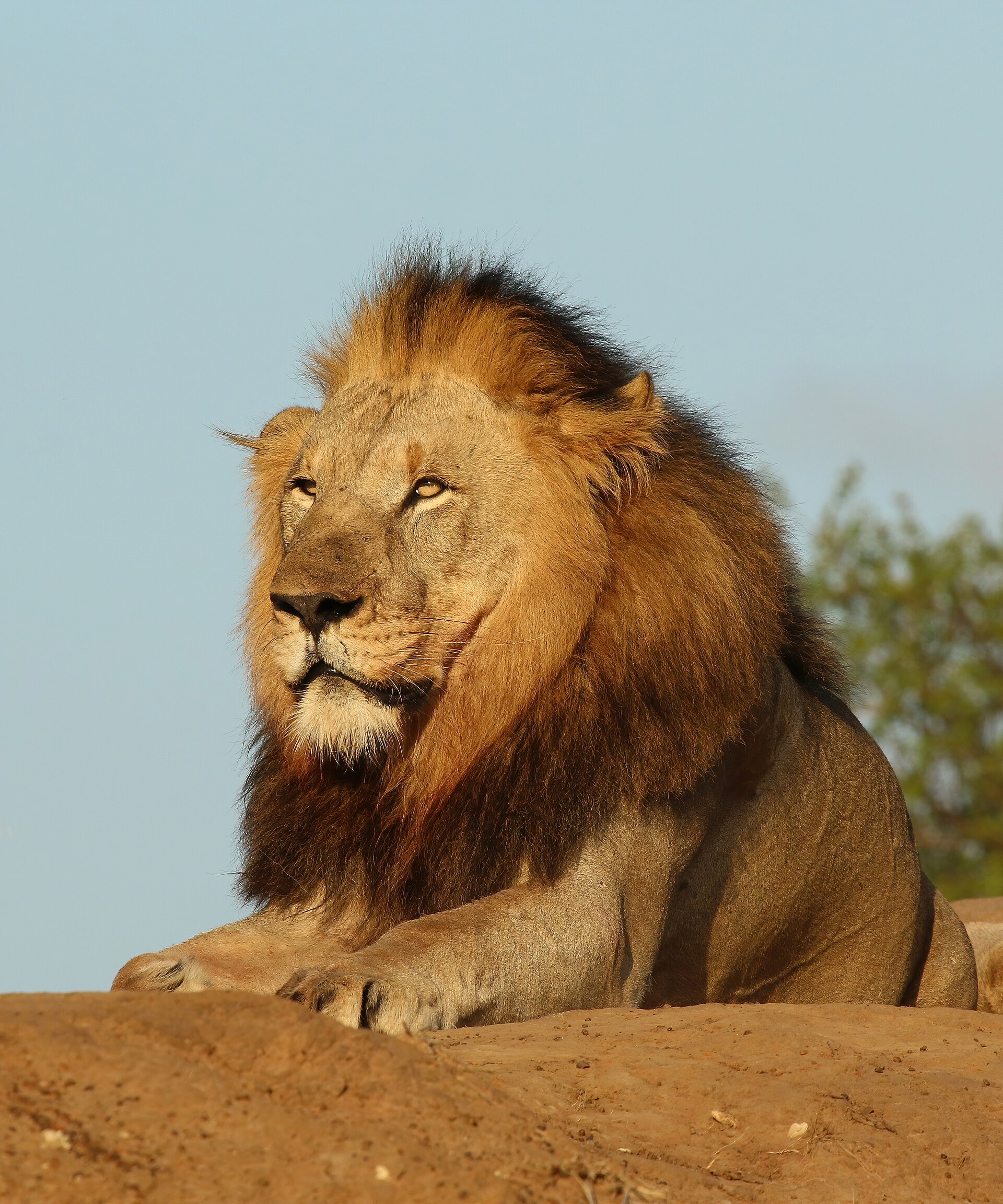
alt="Six-year-old male lion (Panthera leo), Phinda Private Game Reserve, KwaZulu-Natal, South Africa. Photo by Charles J. Sharp.</picture>
The lion (Panthera leo) is one of the five big cat species capable of roaring, and a keystone species in African savanna ecosystems. Currently ranging only in Sub-Saharan Africa and India, it has been widely celebrated as the “king of the beasts” since earliest times.
Anatomy And Size
Lions have a muscular, broad-chested body; a short, rounded head; and round ears with distinctive dark tufts at the tip of their tails. As the second largest living cat after the tiger, lion size varies significantly by sex and subspecies: females typically weigh 100–160 kg (220–350 lb), while large males can exceed 250 kg (550 lb).
The species name Panthera leo comes from Greek, with “παῦνος” meaning lion and the genus name Panthera referring specifically to African lion subspecies. Lions belong to the Felidae family and are the only social cat species.
Six-year-old male lion (Panthera leo), Phinda Private Game Reserve, KwaZulu-Natal, South Africa. Photo by Charles J. Sharp.
Geographic Range And Habitat
Wild lions live in sub-Saharan Africa and western India — a dramatic reduction from prehistoric ranges that stretched across Europe, Asia, and North Africa. Current populations are fragmented due to habitat loss and human-wildlife conflict.
Lions prefer grassland, savanna, dense scrub, and open woodland environments. They are highly adaptable but require sufficient prey density to sustain prides — typically thousands of hectares.
Social Structure
Lion prides consist of related females, their cubs, and a coalition of adult males. Females do most of the hunting while males defend territory against rival males and other lion groups. This sexual division of labor is unique among cats.
Hunting And Diet
Lions are ambush predators that hunt primarily at dawn and dusk — Africa’s quiet hours. A pride will cooperatively kill multiple prey in a single hunting event, with females sharing meat for hours. Common prey includes wildebeest, antelope, zebra, and buffalo.
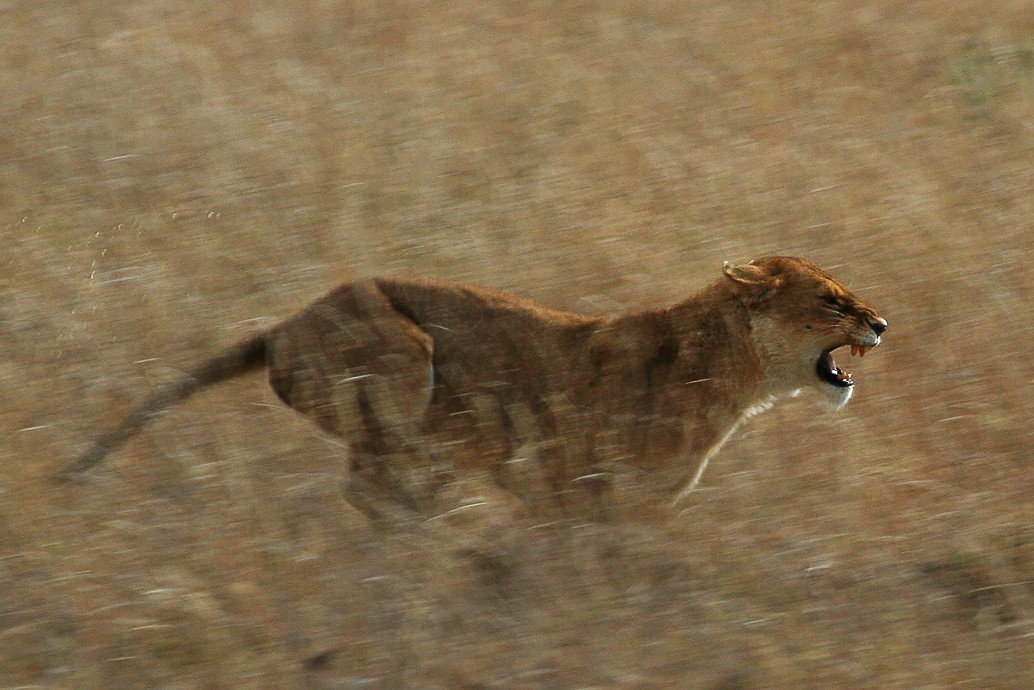
A lioness hunting warthogs in the western corridor of the Serengeti. Photo by Schuyler Shepherd, edited for contrast and saturation.
Subspecies Status
Cryoconservationist geneticists recognize two primary subspecies: Panthera leo leo (African lion, Northern Africa and India) and Panthera leo melanochirus (Southern African lion). The Barbary lion is extant only in captivity.
The Asiatic lion faces dire threats from habitat fragmentation across its Indian range. African populations remain more stable but still require robust conservation — human-lion conflict can create resentment toward lions and affect people’s tolerance for conservation efforts.
Conservation
Lions are listed as Vulnerable by the IUCN Red List, with an estimated 20,000–23,000 individuals remaining in the wild. Conservation strategies include habitat corridors, community compensation programs, and working with pastoralist communities to share resource benefits.
“Supporting communities by sharing resources is an important step to creating a healthy coexistence between lions and people,” note conservationists. Without such partnerships, human-lion conflict threatens all remaining populations.
Evolutionary History
Lions diverged from hyenas about 13 million years ago, with the genus Panthera’s lion lineage developing fully around 5–7 million years ago. They evolved to fill predator niches across vast Eurasian and African landscapes — only recently confined to their current ranges.