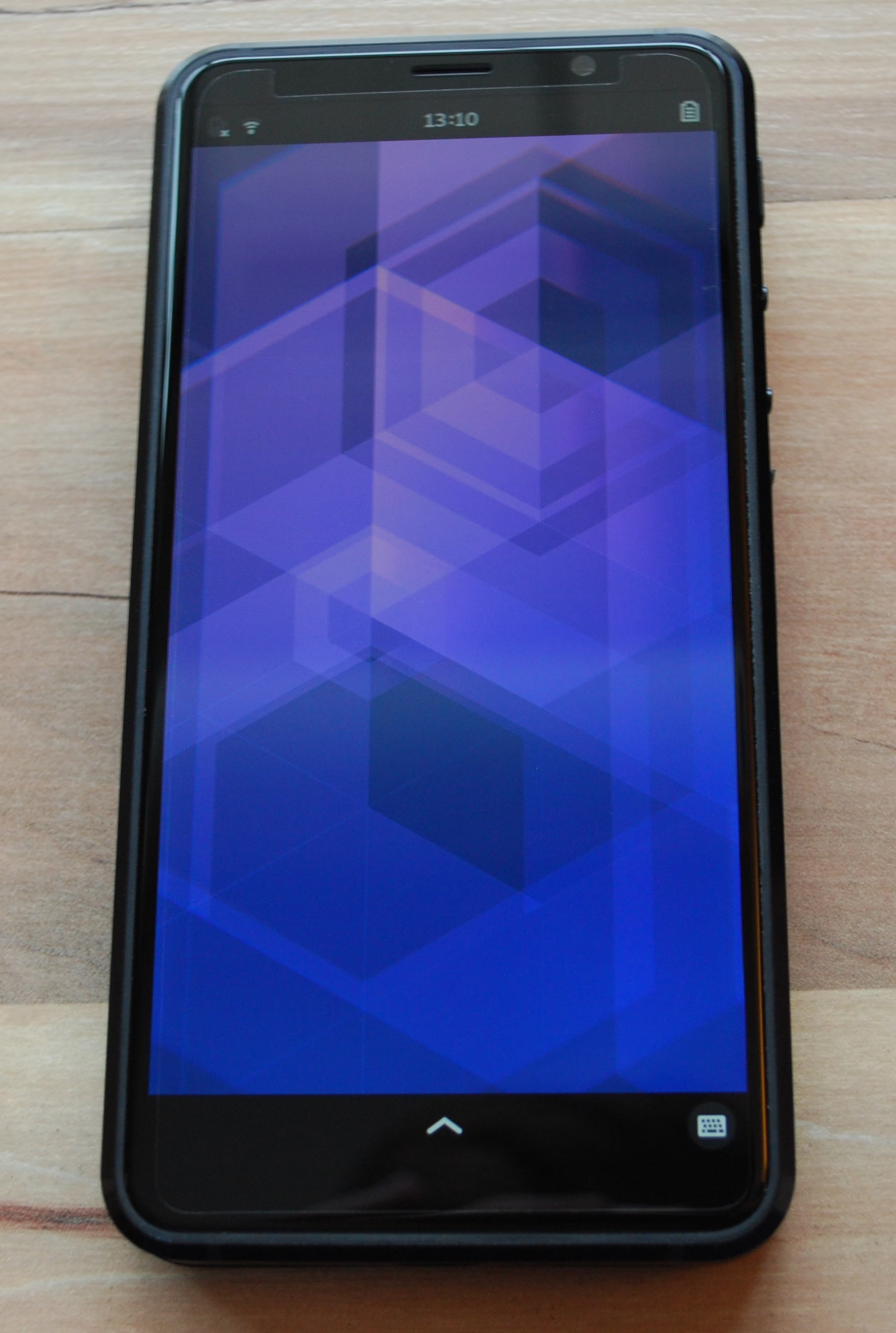
Purism Bets the Librem 5 v2 on RISC-V: An Open-Source Phone for People Who Own Their Devices
For nearly a decade, the Librem 5 has been the quiet, stubborn, sometimes-delayed promise of a smartphone that answers to you instead of a corporation. On November 17, 2026, Purism turned that promise into a second attempt by opening crowdfunding for the Librem 5 v2 — and this time, the heart of the phone is a processor architecture that the company has been chasing for years: RISC-V.
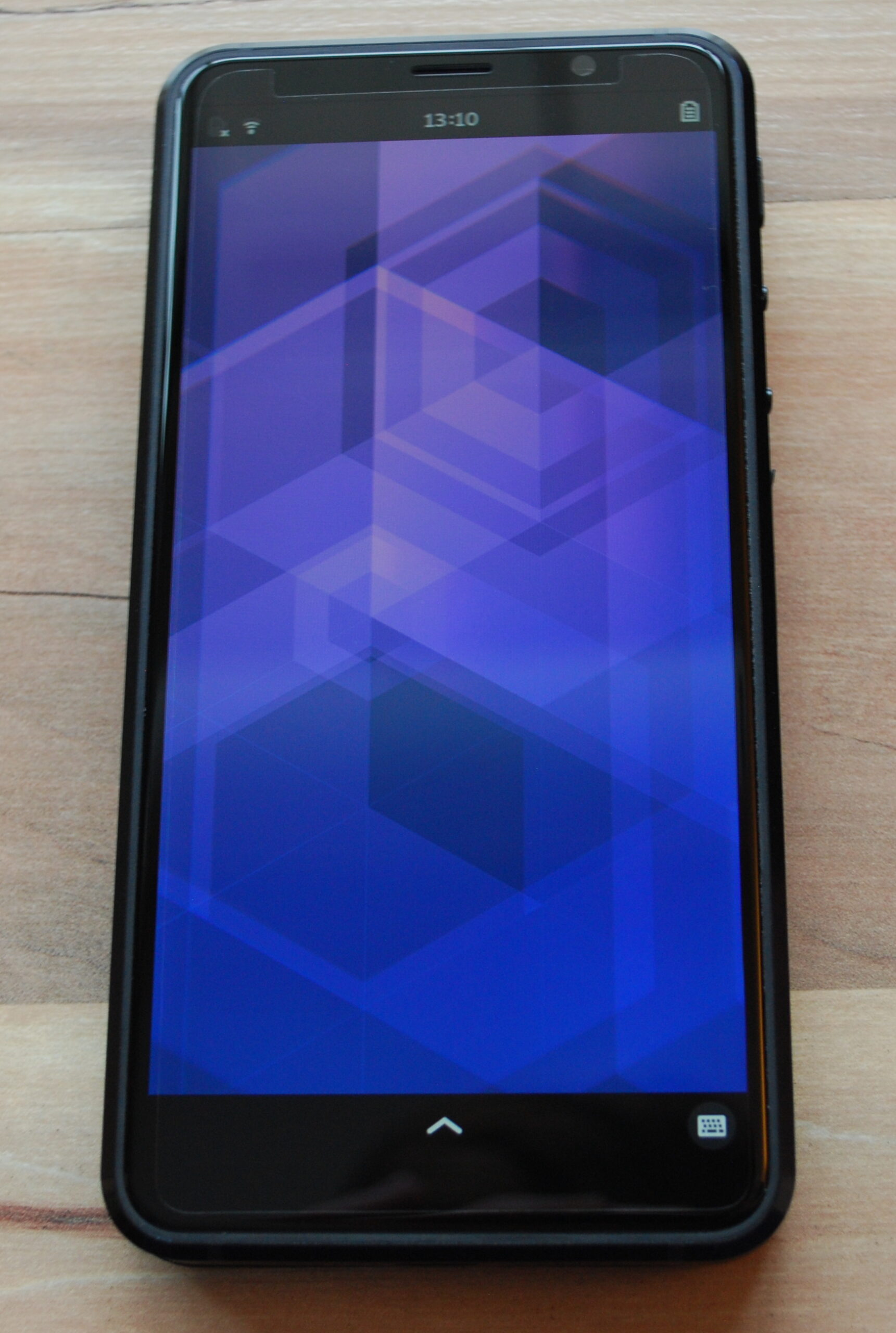
The headline change is the silicon. The original Librem 5 ran a quad-core NXP i.MX 8M processor on the ARM architecture. The v2 swaps that for an octa-core SpacemiT K1 RISC-V SoC, and Purism says the switch should bring better performance, longer battery life, and lower operating temperatures than the first handset. That is the headline; the rest of the story is why an open, license-free instruction set on a pocket device matters at all.
Why a phone on a free instruction set
RISC-V is different from ARM, x86, or the Apple silicon that now runs most of the phones and laptops people actually own. It is a free and open instruction set architecture: the specifications are published under permissive open licenses, and anyone can implement, use, and extend them without paying royalties to a gatekeeper. Purism frames that as the whole point. “RISC-V is the future, and Librem 5 v2 is the perfect product to bring it to a mainstream audience,” CTO Jonathon Hall told press, adding that the architecture’s open foundation “frees us from the oligarchy.”
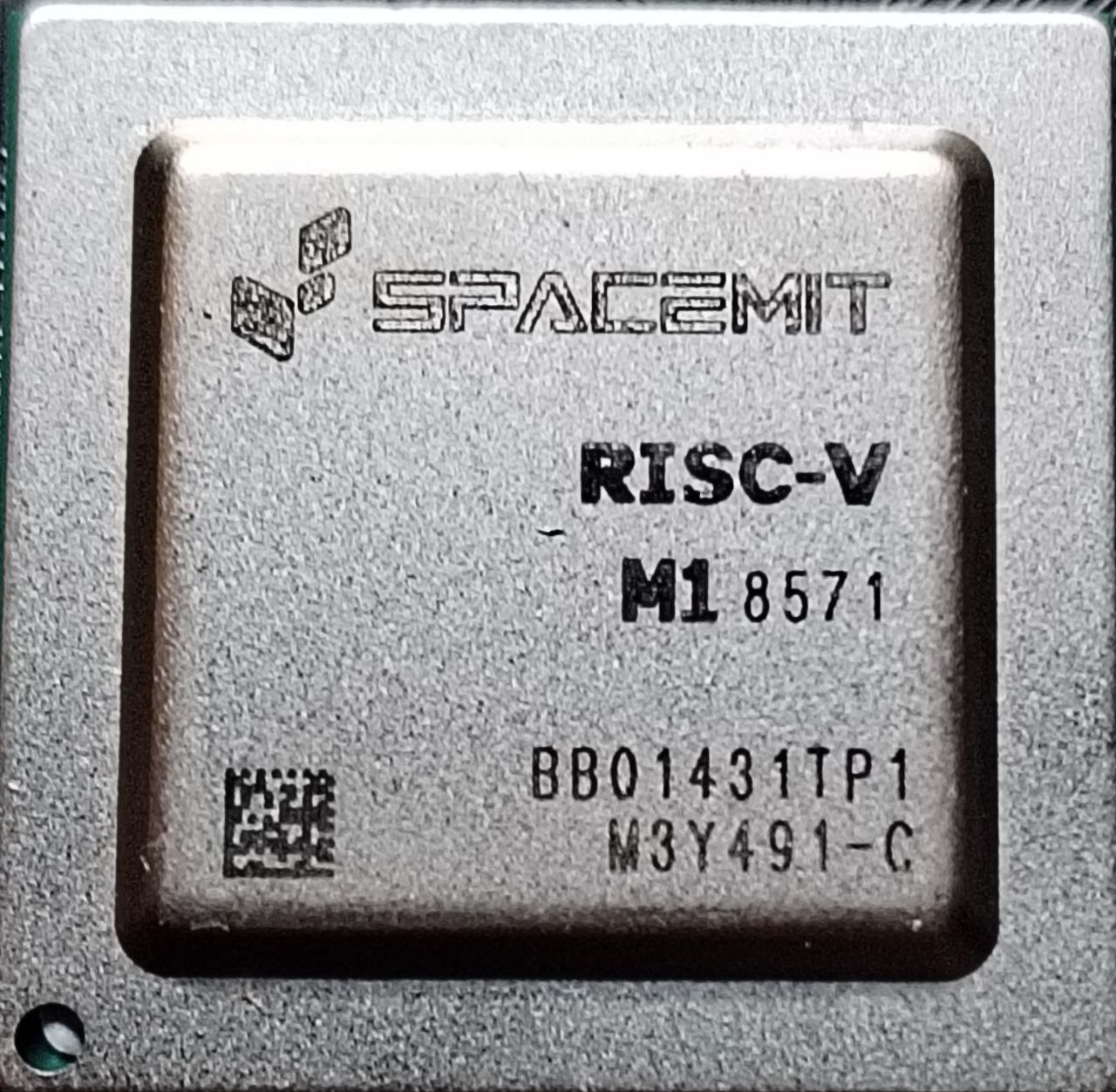
The appeal for a privacy-first company is concrete. With an open ISA, there is no single vendor whose proprietary instruction set a device is locked to; the architecture can be audited, and, in principle, reimplemented without a license. For a phone whose entire pitch is transparency — the original Librem 5 even ships with published schematics under the GPLv3 and published X-rays so owners can check for tampering — running an open instruction set is a philosophical match as much as an engineering one.
What the v2 actually brings
Not everything is new, and that is deliberate. Purism kept the same case, the same 5.7-inch 720×1440 IPS display, and the same removable 4,500 mAh battery as the first model, so repairs and generation-to-generation upgrades stay simple. The on-board hardware changes are the part that matters: RAM is up to 8 GB (from 3 GB), storage to 128 GB (from 32 GB), the wireless is now dual-SIM 4G with a swappable modem and a 5G module planned for later, and there is now on-board hardware encoding for the first time, enabling a 13-megapixel camera and HD video where the original could not.
The signature Librem features carry over intact: the physical kill switches that cut power to the camera and microphone, the Wi-Fi/Bluetooth modem, and the baseband modem; the USB-C port; the 3.5 mm audio jack; and the microSD slot that lets the phone boot a second operating system from a card. It runs PureOS, Purism’s Debian-based, free and ethical operating system, using the Phosh mobile shell.
The catch: a 2028 phone at $1,599
The numbers are the part that should temper expectations. The phone-only reward is $1,599 — a figure that, as the OMG!Ubuntu review dryly noted, “yes, read that again.” The crowdfunding campaign runs until February 2027, but Purism anticipates delivery roughly 14 to 15 months after the campaign closes, which puts shipping in 2028. And the company is candid that the transition to RISC-V is far from trivial: graphics acceleration, new drivers, and power management — “which on a phone is rather critical” — all need major engineering effort, and so does the everyday software stack. Browser performance on even the fastest RISC-V chips is still sluggish, and an ARM compatibility layer to run software that has not been built for RISC-V is on the roadmap.
That context matters because the first-generation Librem 5 has a reputation for delays, price increases, and patchy build quality. Purism’s answer to its own track record is simply to keep going: the company is still making, selling, and supporting its phones, laptops, PCs, and cellular services, and the v2 is built on that accumulated experience rather than a blank slate.
What this means for a person who owns their devices
Read against the broader picture, the Librem 5 v2 is a signal even if it is not yet a mainstream product. It sits in the same current of events that has made openness a recurring theme across the tech world in 2026: the move to give developers more control over their own infrastructure, whether that is a phone that runs free software end to end or a server that runs native open-source runtimes. A few weeks ago, for instance, the AI-infra world saw Google open-source its TorchTPU stack and native PyTorch backends for vLLM and SGLang, letting model code run on Google’s own chips without rewrites — a different open move, aimed at data centers rather than pockets, but pointing the same direction: fewer locked doors.
For the homelab crowd that Oddbyte readers mostly are, the lesson is less “buy this phone” and more “watch this architecture.” RISC-V has spent years as a curiosity in single-board computers, routers, and embedded chips. Putting an octa-core RISC-V SoC — the SpacemiT family shown above, from which the K1 descends — at the center of a consumer phone is one of the clearest signs yet that the open instruction set is trying to become something you can hold, repair, and audit yourself. Whether it becomes viable as an everyday device is still an open question, and 2028 is the date that will answer it.
If the original Librem 5 was the proof of concept that people would pay for a phone built around privacy and ownership, the v2 is the proof of intent: that the same idea can be rebuilt on a foundation no one company controls. For now it is a $1,599 pledge with a 2028 delivery window and a lot of engineering ahead. But as a statement about where open hardware is heading, it is the clearest one yet — and it arrives at exactly the moment the rest of the industry is discovering that opening things up tends to make them spread.