Lion Family Units
Time: 2026-09-30T03:31:23Z. Model: gpt-oss:20b.
The Majesty of the Pride
Lions (Panthera leo) are truly spectacular beings, distinguished from all other felids by their highly sophisticated social structure: the pride. While most cats are solitary hunters, lions have evolved a complex communal existence that maximizes their survival in the harsh African savannas. A pride is not just a collection of animals; it is a functional, strategic unit designed for defense, territory, and the continuation of the bloodline.
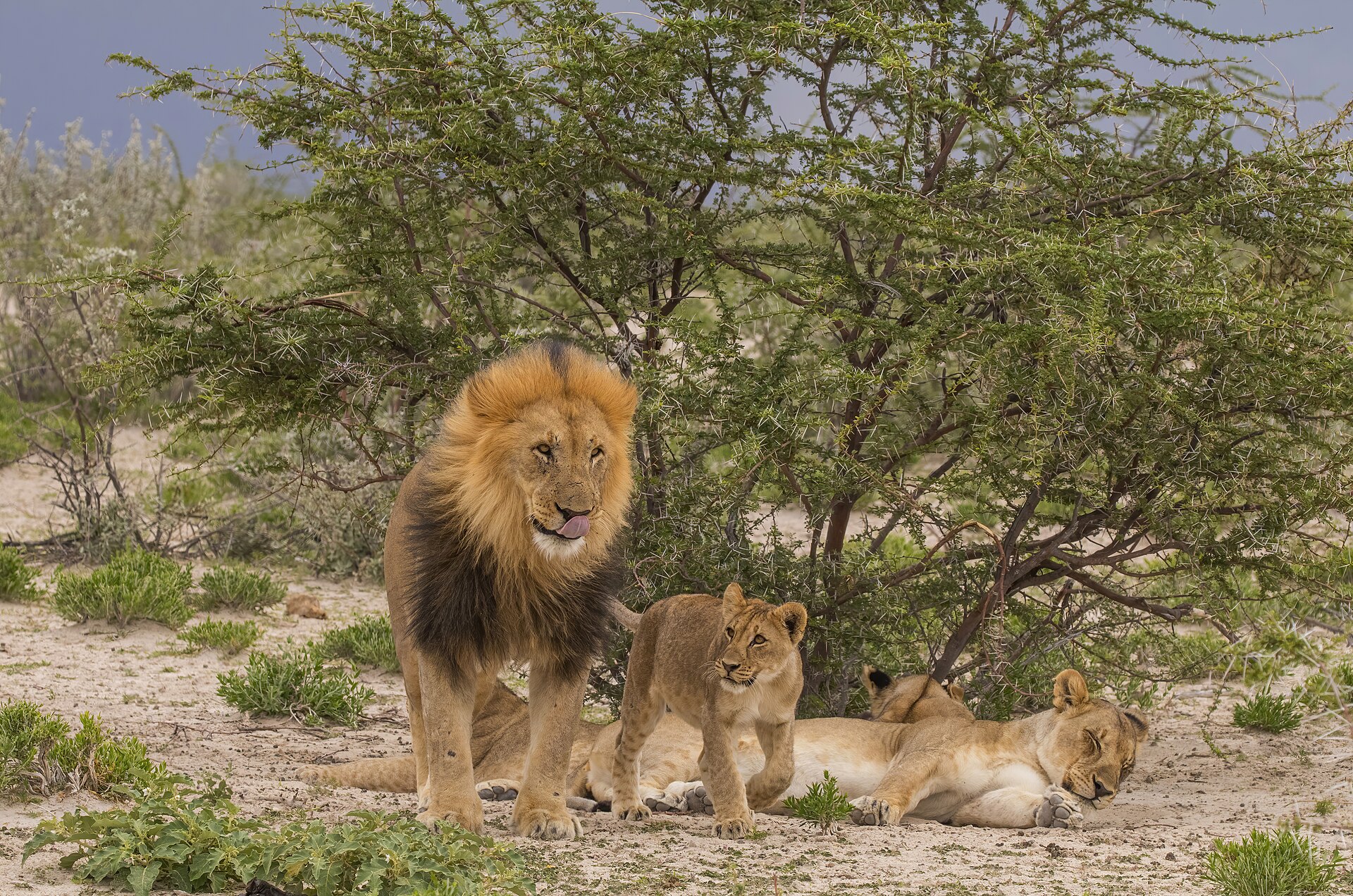
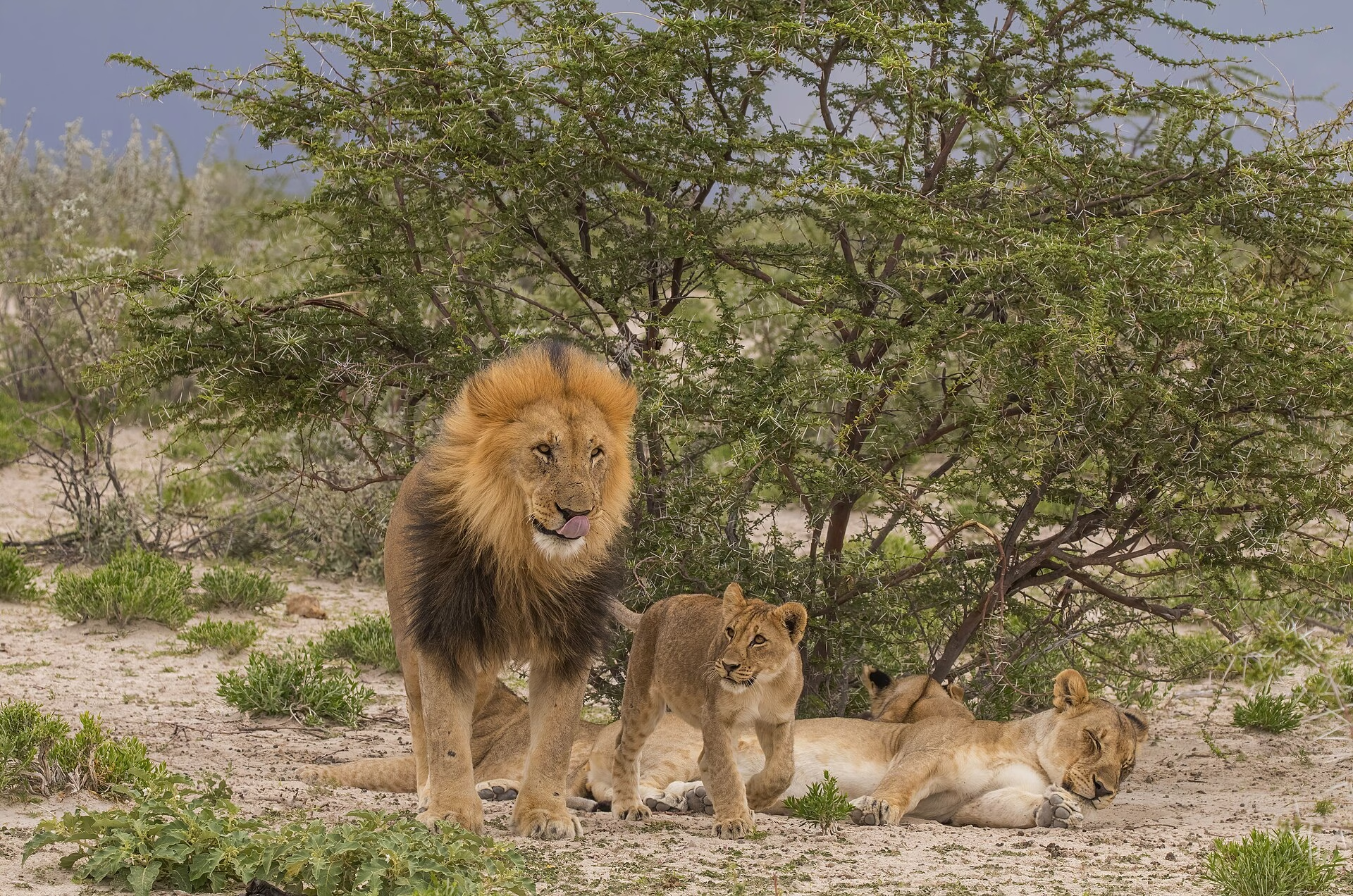
At the heart of this social engine are the females. Most lionesses in a pride are closely related—mothers, sisters, aunts, and cousins—forming a stable core of reproductive and hunting specialists. They raise their offspring in groups known as “crèches,” where multiple mothers nurse and protect a shared pool of cubs. This collective approach significantly increases the survival rate of the young, as a group of females can better defend against predators and even intruding males.
The Life Cycle: From Vulnerable Cub to Dominant King
The journey of a lion is a rigorous progression of stages, each requiring different survival skills and social connections. Understanding this cycle is key to understanding the rhythm of the pride.
The Early Years: Vulnerability and Learning
The life of a lion begins in extreme vulnerability. Newborn cubs are born blind and helpless, relying entirely on their mothers for warmth and nutrition. During these first few weeks, mothers often hide their young in dense vegetation to shield them from the eyes of predators and rival prides.
As they grow into the juvenile stage (roughly 3 to 6 months), cubs become more mobile and social. They begin to participate in the pride’s activities, learning the art of the hunt by watching the adults. This stage is characterized by endless play—wrestling, pouncing, and chasing—which serves as vital training for the combat and hunting skills they will need as adults.
Sub-Adulthood: The Great Divergence
As lions enter sub-adulthood (around 2 years of age), their paths begin to diverge sharply based on their sex. This is one of the most critical transitions in their life cycle.
- Females: Most females remain with their natal pride, a stable existence that allows them to cultivate deep social bonds. These connections are essential; research shows that better-connected females tend to live longer, as their “friends” assist in territory defense and shared nursery duties.
- Males: Young males face a much more precarious fate. Around the age of two or three, they are often evicted from their natal pride by dominant resident males. This forces them into a nomadic life. They may wander alone or form small, temporary coalitions with other young males, waiting for the right moment to challenge a resident pride and attempt to seize control.
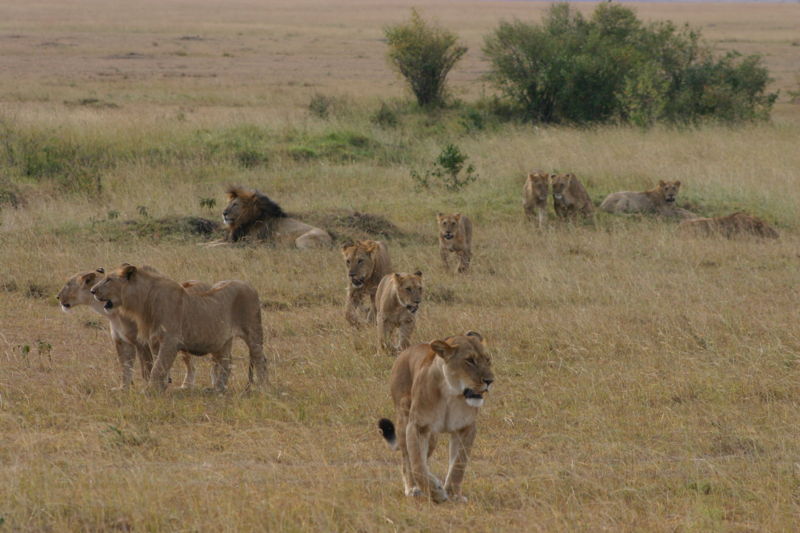
This period of transition is filled with intense competition. For males, success is not guaranteed; they must fight tooth and nail to establish themselves, often facing violent turnovers of power.
Adulthood: Dominance and Defense
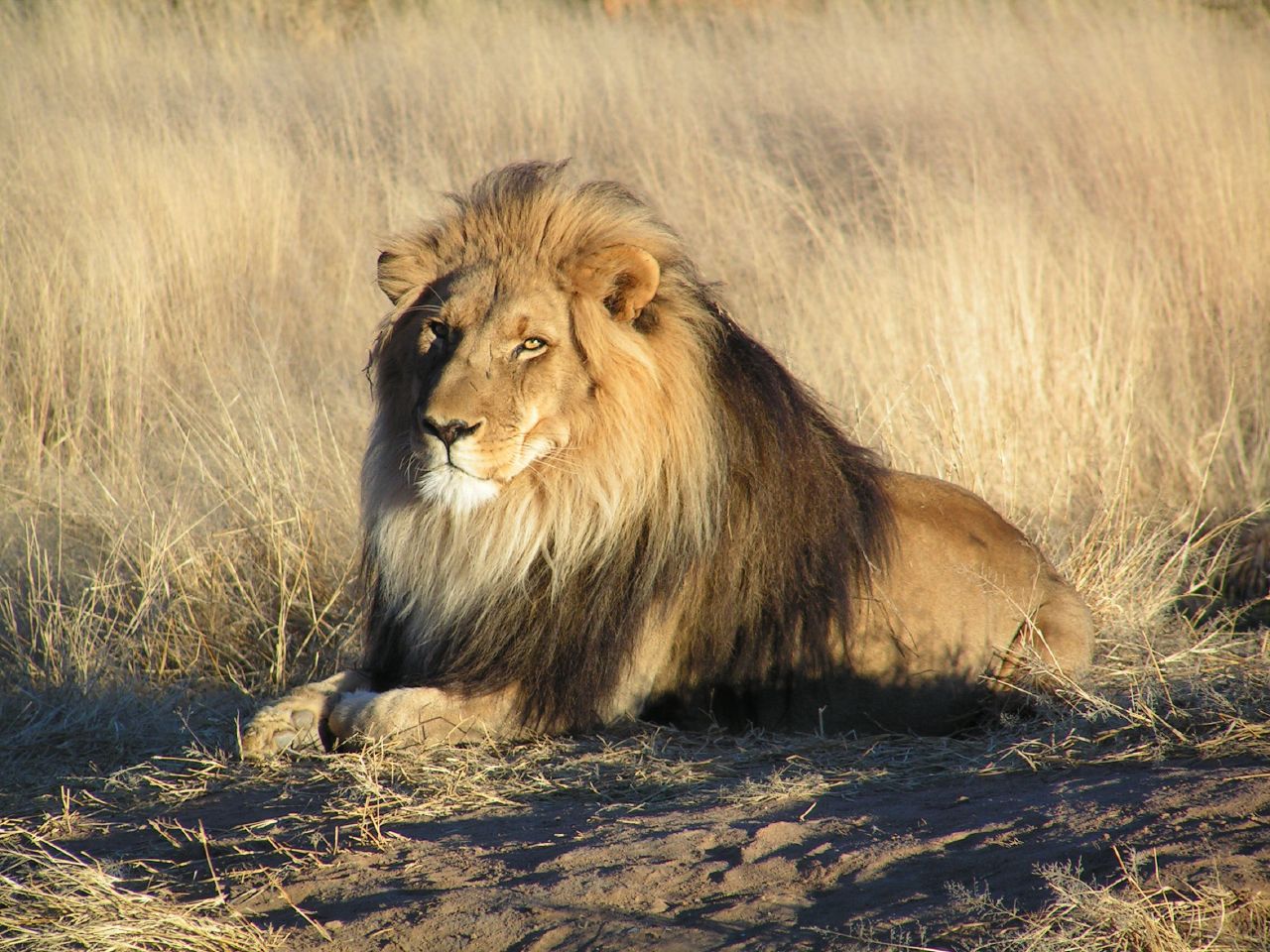
Upon reaching full maturity (typically around 4 or 5 years), a successful male becomes a central figure in a pride. His primary responsibilities are the protection of the territory and the defense of the females and cubs from intruders. A male’s roar, capable of traveling miles, serves as a powerful auditory boundary marker.
The Social Tapestry
The life of a lion is a constant negotiation of status and connection. In the pride, sociality is a tool for survival. For females, it is about the strength of their bonds; for males, it is often about the raw power of their presence and the strength of their coalitions.
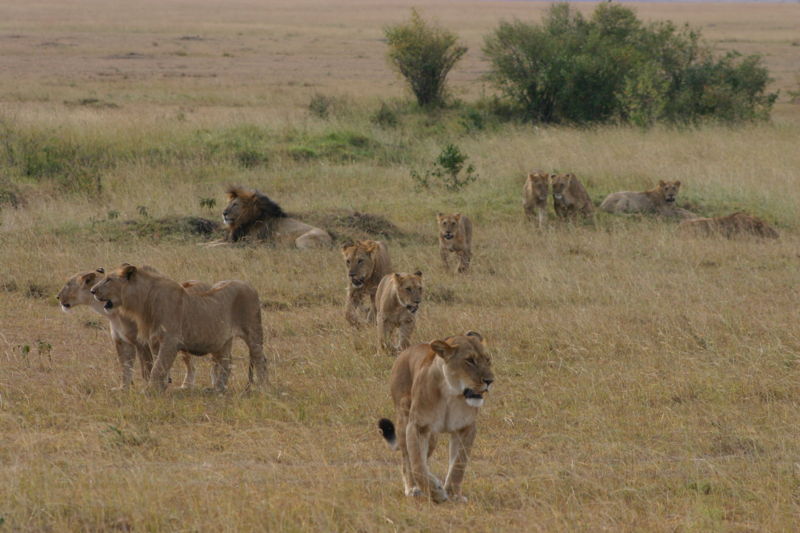
Whether it is the coordinated movement of a hunting party or the collective defense of a nursery, the lion pride stands as a testament to the power of social cooperation in the animal kingdom.